Distinction:
Washington, DC, by 1808 to 1858.
Note from the OHS PC Database, derived from A Guide to North American Organbuilders, by David H. Fox (Richmond, Va., Organ Historical Society, 1991). -
Born January 30, 1787 in Westphalia, Germany; in Washington, DC, by 1808; died 1858.
Sources:
- Martin Kares, The German Element in American Organbuilding, 1700-1900 (dissertation, Marburg 1990).
- Orpha Ochse, The History of the Organ in the United States (Bloomington: Indiana University Press, 1975), 180.
Paul R. Marchesano on October 29th, 2025:
JACOB HILBUS, first organbuilder in Washington, D.C., was born in Westphalia, Germany, on January 31, 1787. He immigrated to America when a child and eventually settled Washington D.C.He initially established himself in 1810 in city of Alexan-dria, Virginia, within the District of Columbia.
His first advertisement appeared in 1810 in the Alexandria Daily Gazette.
It describes the services of repairs and tuning to organs, piano fortes and violins etc.
In 1812, he moved to Washington and located near the treasury building and posted an advertisement in the local paper stating that he was an organ builder, and repairer along with tuning services to both organs and pianos.
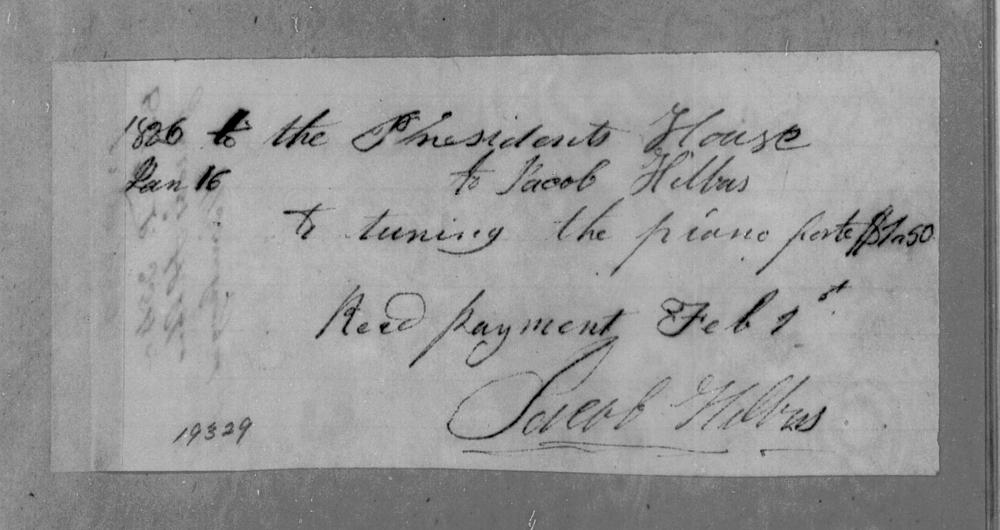
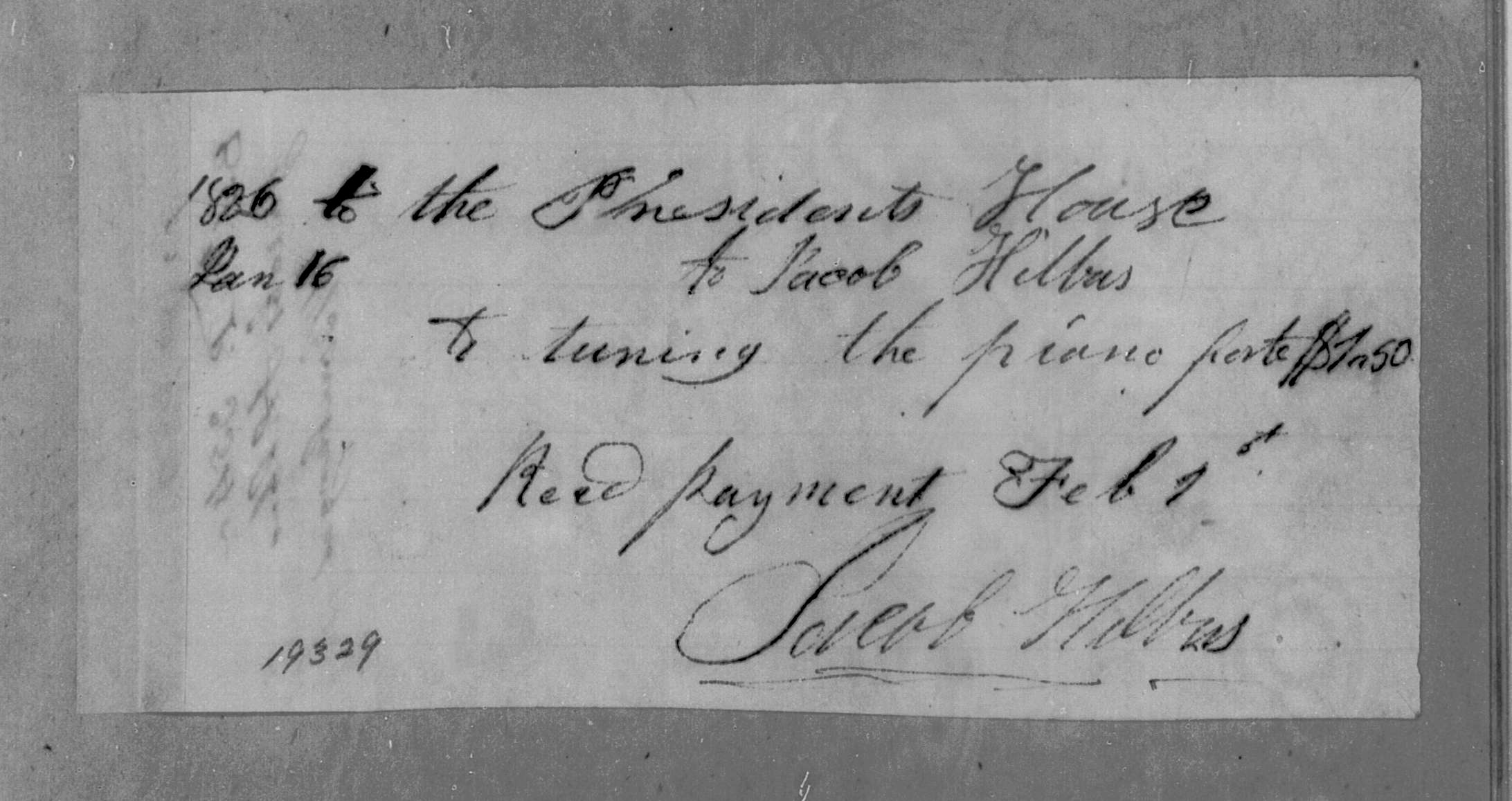
He was best known as the piano tuner to the White House tuning the pianos starting with President James Monroe starting in 1817 through Franklin Pierce until he died in 1858.
There are no known records of where Hilbus learned the art of organ building and it is supposed that he learned it on his own.
He was in business during a very historic time of the development of our nation and had served in the U.S. army during the War of 1812.
- bio posted on Facebook by Parsons Pipe Organ Builders, 2023-05-08
Something missing or not quite correct?Add NoteorAdd WebpageorAdd ImageorAdd DocumentorSuggest an Edit
Database Specs:
- 3 Instruments
- 1 Consoles
- 0 Blowers