Henry Pilcher's Sons
Opus 859, 1915
Wm. W. Carruth (Studio)
"The Abbey" as Mr. Carruth's private studio was consistently refe
Oakland, CA, US
8 Ranks - 495 Pipes
Something not quite correct?Suggest an Edit
🤝 Instrument entries in California sponsored by:
We are grateful for the generous support of our sponsors, who make it possible for us to continue our mission of preserving and promoting the rich history of pipe organs across the globe.

IMAGES
Something missing or not quite correct?Add ImageorSuggest an Edit
STOPLISTS
Something missing or not quite correct?Add Stoplist
CONSOLES
Builder: Unknown
Position: Keydesk Attached, Manuals Set Into Case
Design: Traditional With Roll Top
Pedalboard Type: Concave Radiating (Details Unknown)
Features:
2 Manuals (61 Notes)32 Note Pedal3 Divisions8 Stops8 RegistersTubular Pneumatic (Unknown) Key ActionTubular Pneumatic (Unknown) Stop ActionCombination Thumb Piston(s)Stop Layout: Stop Keys Above Top Manual
Expression Type: Balanced Expression Shoes/Pedals (Details Unknown)
Combination Action: Adjustable Combination Pistons
Control System: Unknown or N/A
Something missing or not quite correct?Add ConsoleorSuggest an Edit
DETAILS
This instrument is: Extant and Playable in this location
Updated by Jon Roberts, naming this as the source of information: The American Organist, March 1922, pp. 91-92.
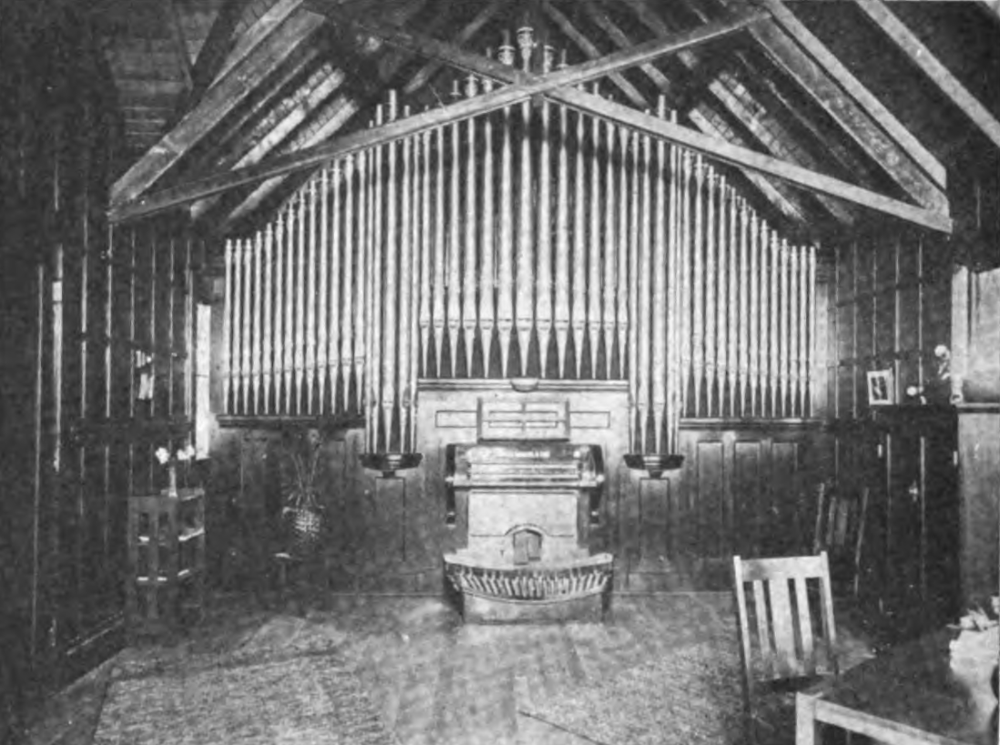
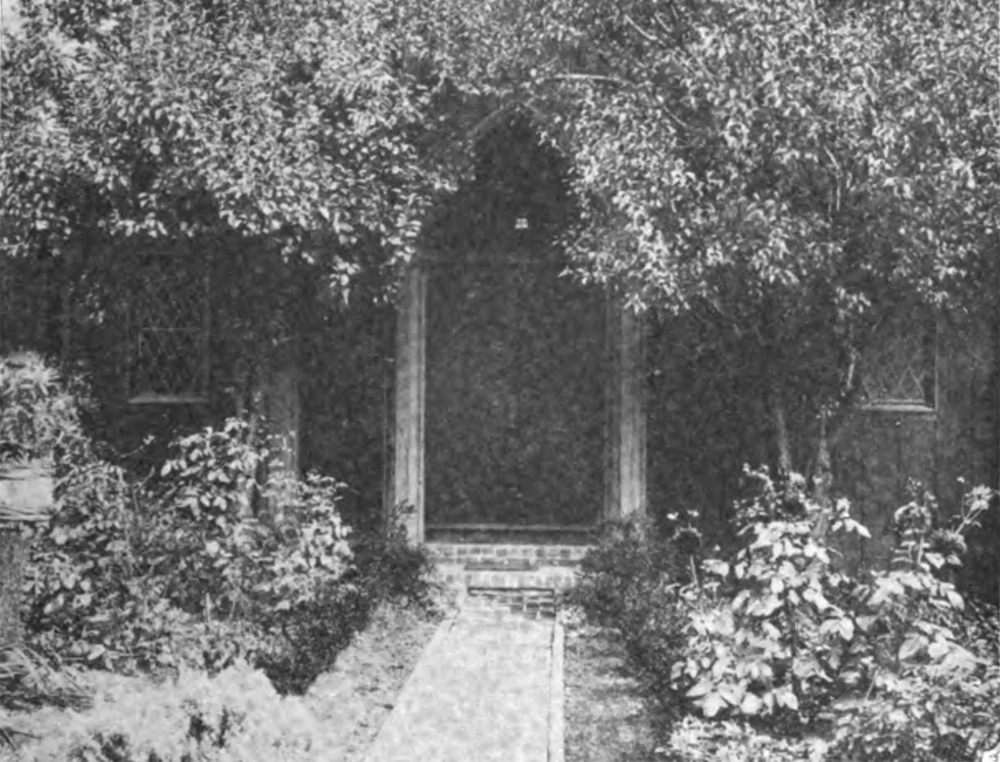
The Pilcher organ was installed in Mr. Carruth's private studio, "The Abbey," in 1915 at a cost of $2,500. From its picture in the article from The American Organist of March 1922, pp. 91-92, it appears there may have been four combination pistons set in the slip between the Swell and Great manuals. The organ is spread across the entire front of the room; the console set in the center of thee casework, with two expression pedals; the stenciled Great 8' Open Diapason pipes in prospect; the entire organ a mere four-feet deep. The studio is described as being 17-feet wide, 30-feet long, with it's roof as 20-feet high at the peak. Housing a grand piano, music cabinet and table, it seated between 65-70 persons. An adjoining building housed the blower, storage for the knock-down chairs, a practice-room with a pedal-piano and a lavatory, making the studio an independent establishment.
Database Manager on April 6th, 2005:
Identified through information in Volume V p. 57 of the Pilcher factory ledger and list of Pilcher organs typed by William E. Pilcher of Louisville. For more information see the document referenced below.
Something missing or not quite correct?Add NoteorAdd WebpageorAdd Cross ReferenceorSuggest an Edit