Henry Pilcher's Sons
Opus 1265, 1925
Congregation Beth Israel
Holman St.
Houston, TX, US
42 Ranks
Something not quite correct?Suggest an Edit
🤝 Instrument entries in Texas sponsored by:
We are grateful for the generous support of our sponsors, who make it possible for us to continue our mission of preserving and promoting the rich history of pipe organs across the globe.

IMAGES
Something missing or not quite correct?Add ImageorSuggest an Edit
STOPLISTS
Something missing or not quite correct?Add Stoplist
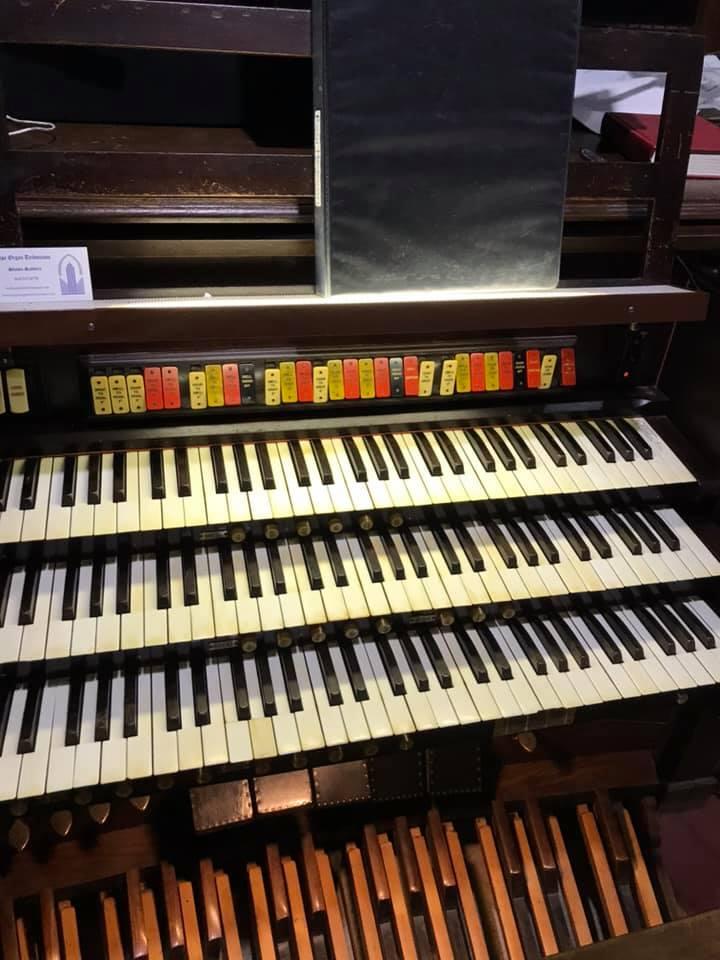
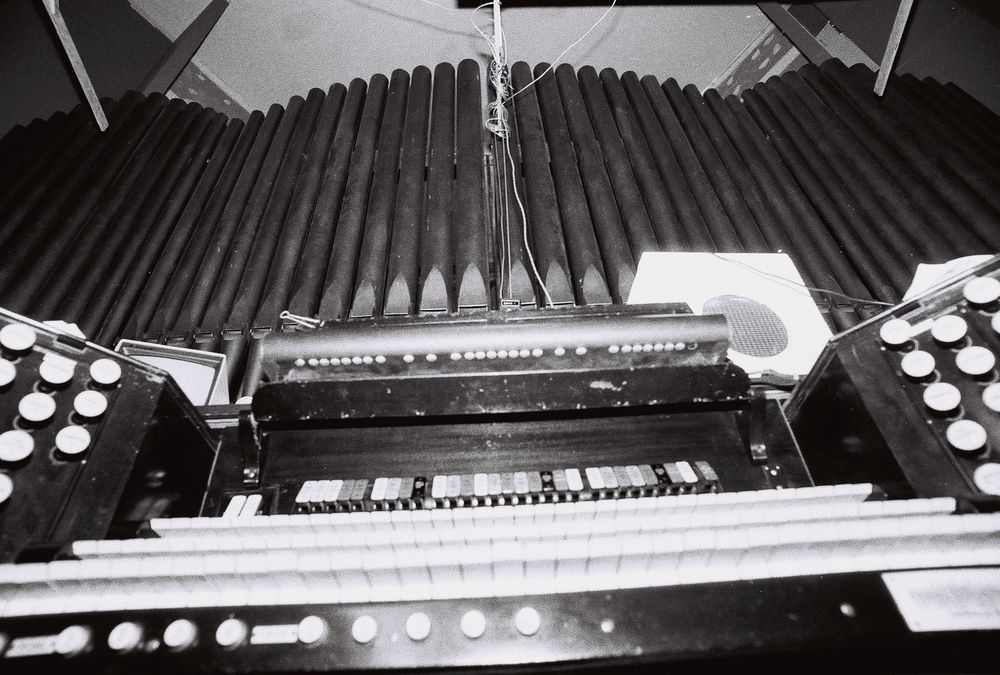
CONSOLES
Builder: Unknown
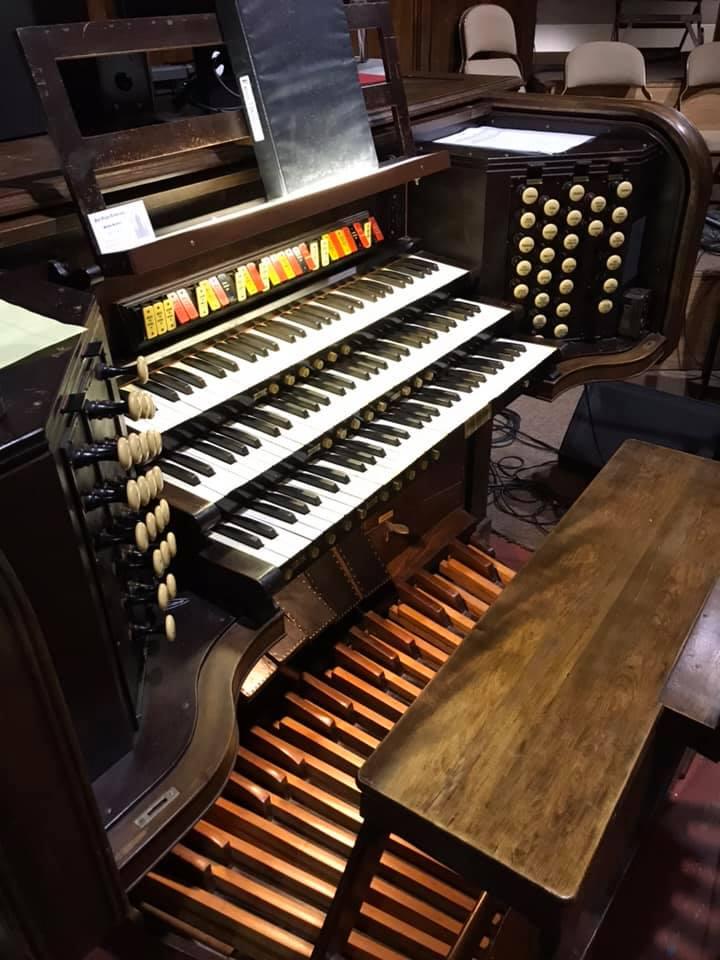
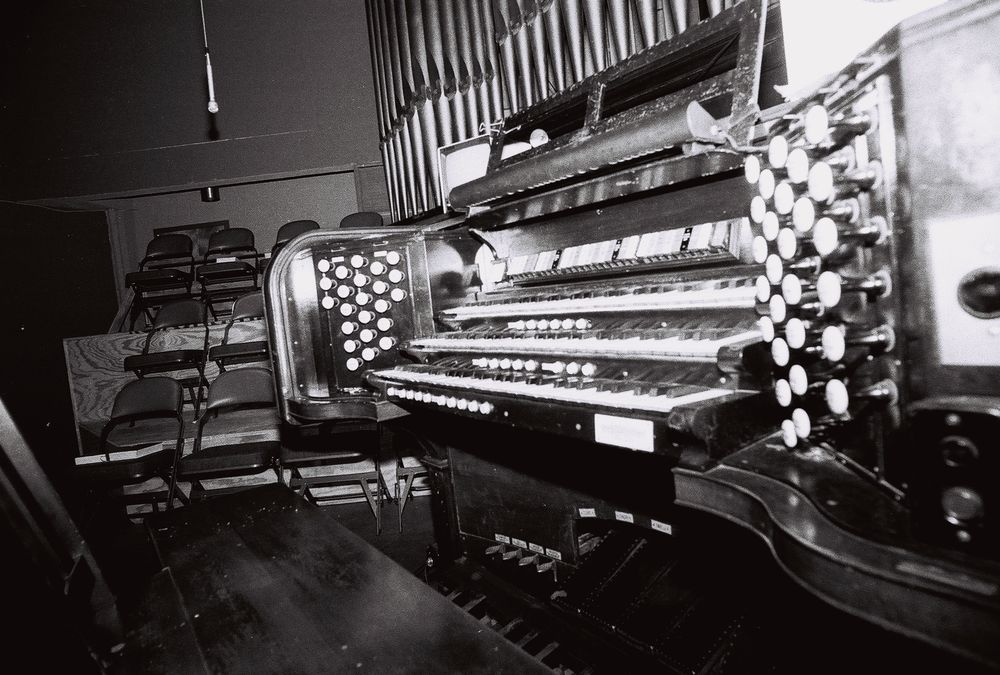
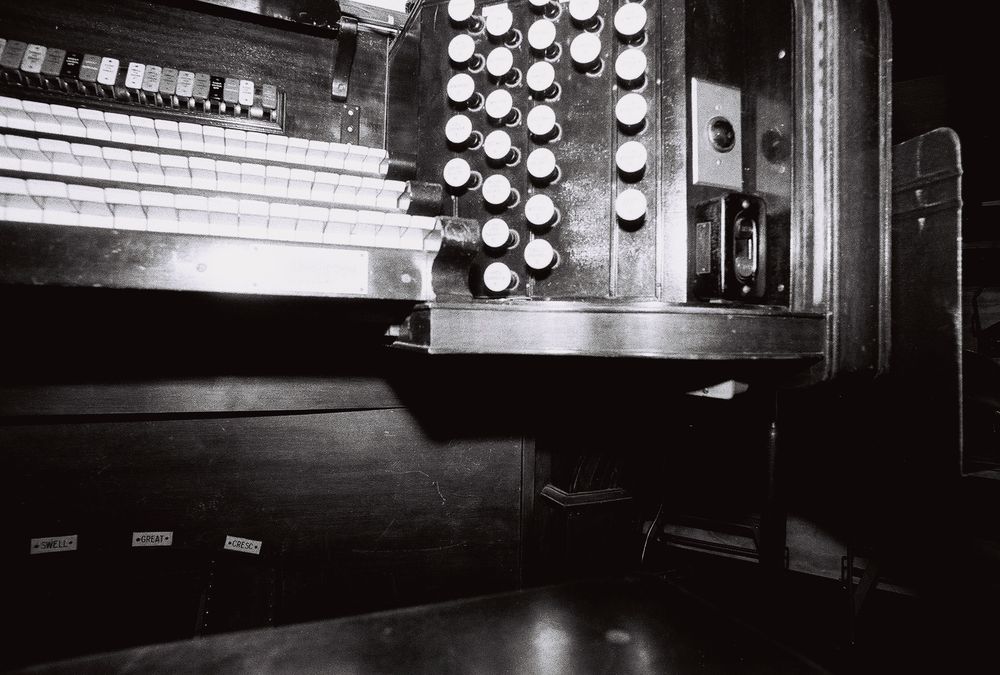
Position: Console in Fixed Position, Center
Design: Traditional With Roll Top
Pedalboard Type: Concave Radiating (Not Meeting AGO Standards)
Features:
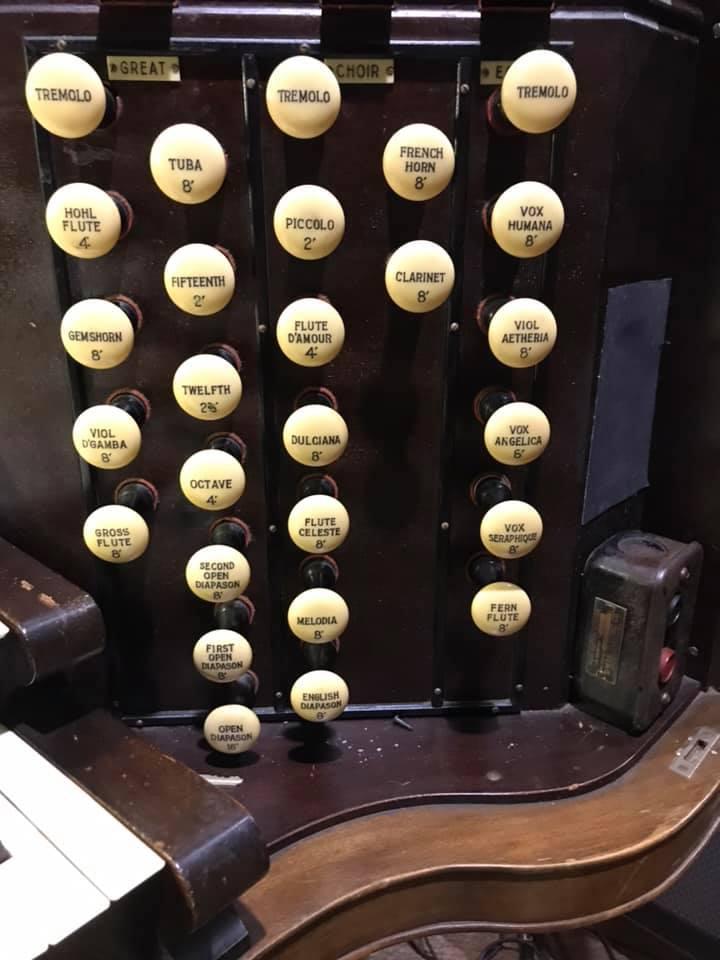
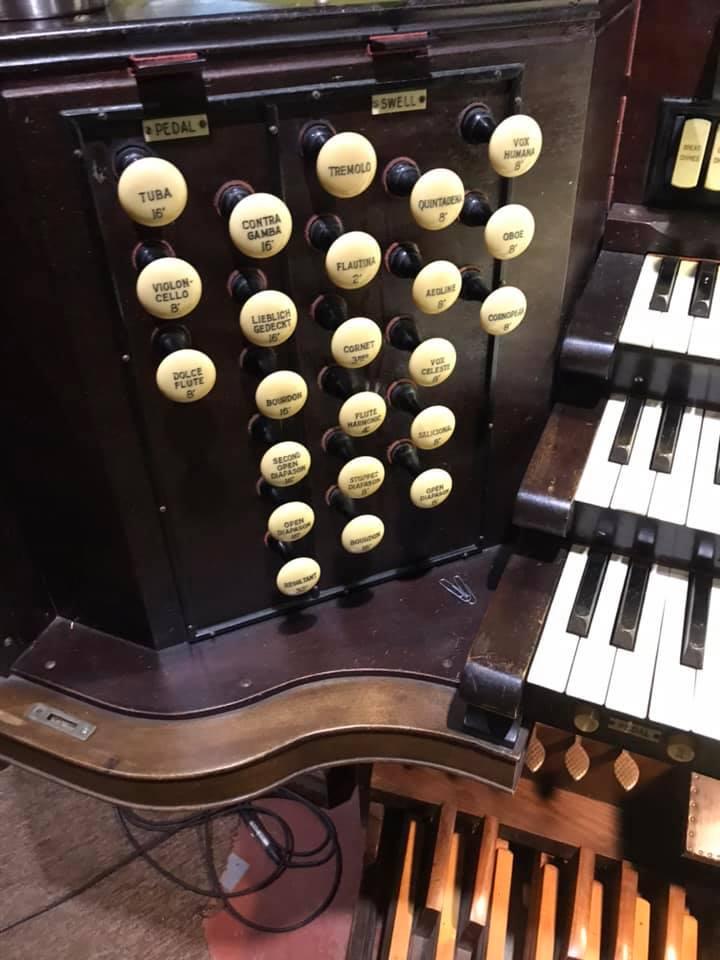
3 Manuals (61 Notes)32 Note Pedal4 Divisions40 Stops46 RegistersElectrical Key ActionElectrical Stop ActionCrescendoCombination Thumb Piston(s)Combination Toe Piston(s)Coupler Thumb Piston(s)Coupler Toe Piston(s)Sforzando Thumb Piston(s)Sforzando Toe Piston(s)Stop Layout: Drawknobs in Vertical Rows on Flat Jambs
Expression Type: Balanced Expression Shoes/Pedals (Meeting AGO Standards)
Combination Action: Remote Pneumatic/Mechanical Capture
Control System: Unknown or N/A
Something missing or not quite correct?Add ConsoleorSuggest an Edit
DETAILS
This instrument is: Extant and Playable in this location
From Wikipedia: Congregation Beth Israel is the oldest Jewish congregation in Texas. Early Jewish families that settled in the area formed the Hebrew Benevolent Society in 1844, under the leadership of Lewis Levy. By 1854, seventeen adults organized themselves into the Hebrew Congregation Beth Israel, and the congregation received a state charter in 1859. Members first met in a small room on Austin Street between Texas and Prairie, but later moved to a frame building on Labranch Street. The congregation’s first permanent synagogue was dedicated on Crawford Street in 1874. A larger synagogue followed in 1908, but waves of immigration, the oil boom and the deepening of the ship channel brought explosive growth to the congregation, and the need for another, larger building became urgent. The new synagogue, located at the corner of Holman and Austin Streets, was designed by congregation member and noted architect Joseph Finger. When the temple was dedicated in 1925, the Houston Chronicle called it “the finest house of worship of its kind in the entire south.” The temple’s architecture combines traditional classical and near eastern elements, such as large columns and entablatures, in a stylized art moderne style. The brick and limestone building’s square plan and high facades enhance its monumental scale. In 1969, the congregation moved to a new site in southwest Houston and transferred the property to the Houston Independent School District. The facility served as the first home of Houston’s High School for the Visual and Performing Arts before it was passed to Houston Community College in the early 1980s.
Database Manager on May 11th, 2008:
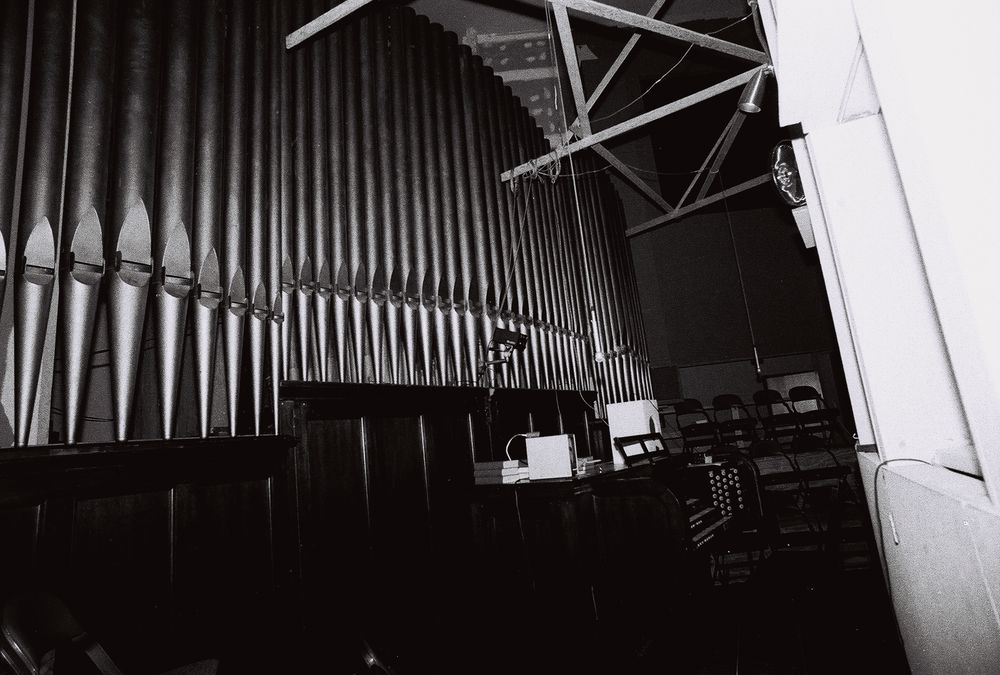
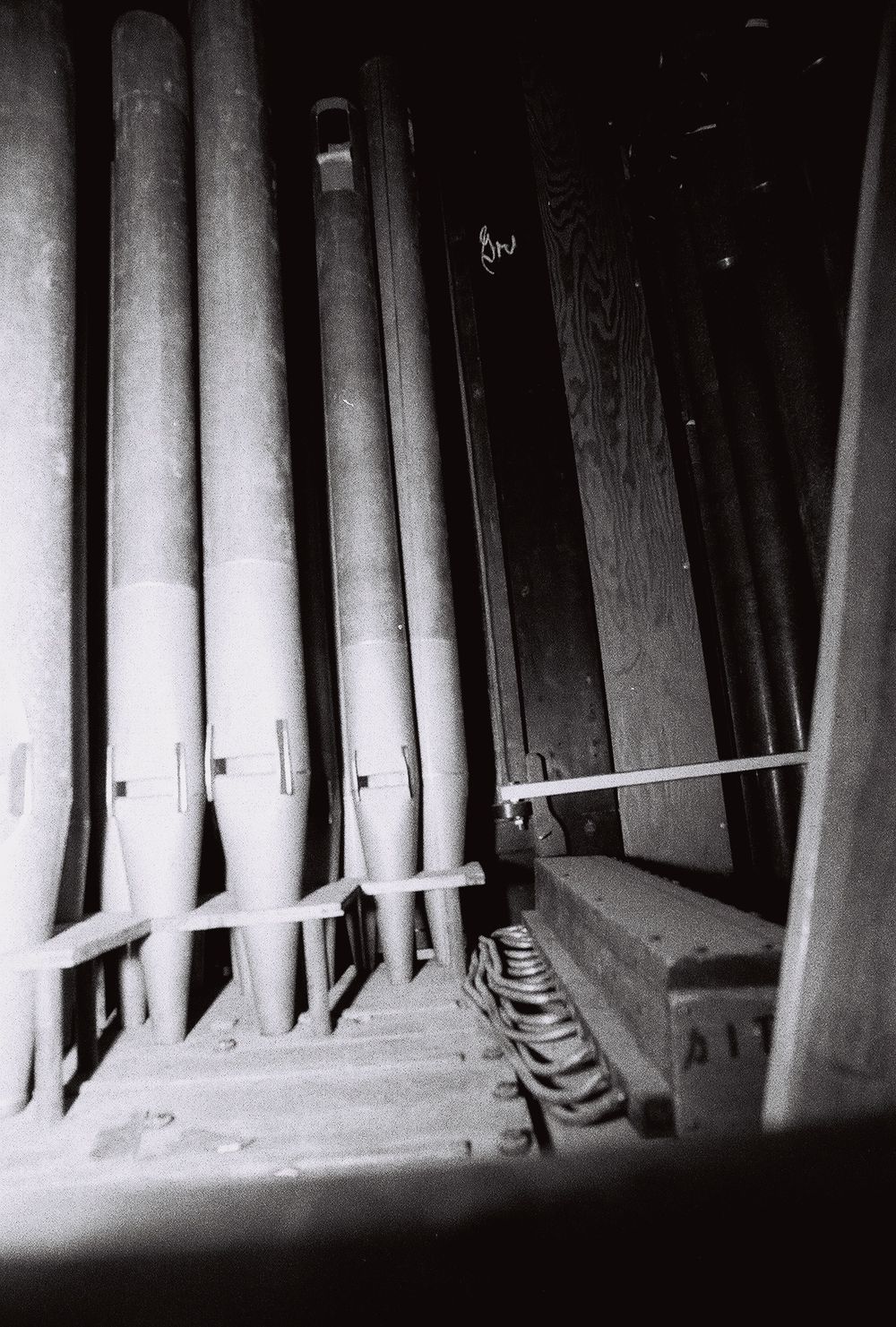
Updated through online information from Shawn Sanders. -- Organ was moved from original location in 1950s. Organ is still functioning with original relays. Echo Division was placed in Choir Division Chamber at present location.
Database Manager on April 7th, 2005:
Identified through information in Vol VI p. 195 of the Pilcher factory ledgers and a list of Pilcher organs typed by William E. Pilcher of Louisville. For more information see the document referenced below.
Database Manager on April 7th, 2005:
Original price: $18,000. Photo Archives 4133.
Related Instrument Entries: Unknown Builder (1967)
Something missing or not quite correct?Add NoteorAdd WebpageorAdd Cross ReferenceorSuggest an Edit