Ernest M. Skinner Company
Opus 150, 1906
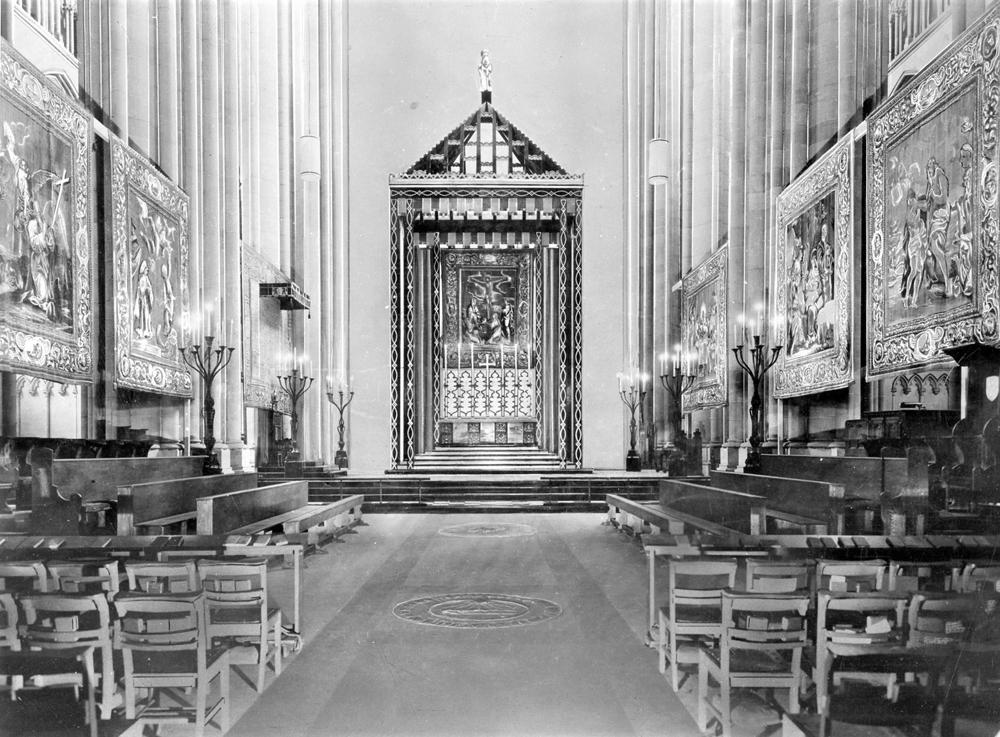
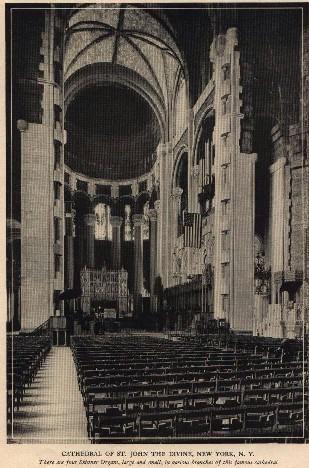
Cathedral Church of St. John the Divine, Episcopal
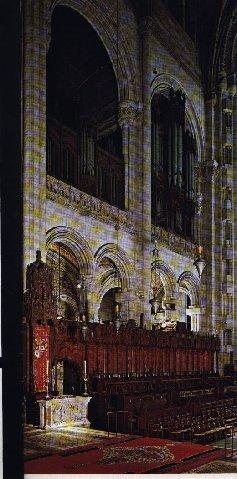
Great Choir
1047 Amsterdam Ave./112th St.
New York City: Manhattan, NY, US
84 Ranks - 5,614 Pipes
EXPLORE IMAGESVIEW STOPLISTSomething not quite correct?Suggest an Edit
IMAGES
Something missing or not quite correct?Add ImageorSuggest an Edit
STOPLISTS
Something missing or not quite correct?Add Stoplist
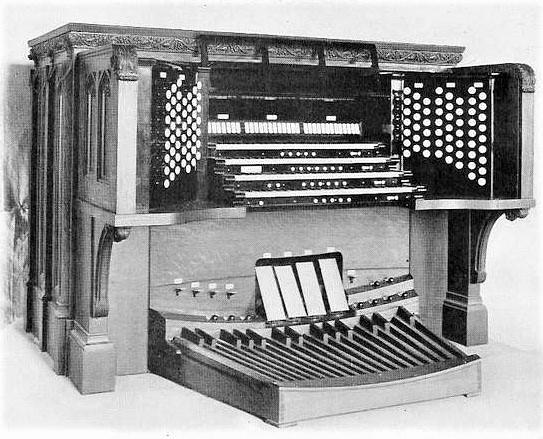
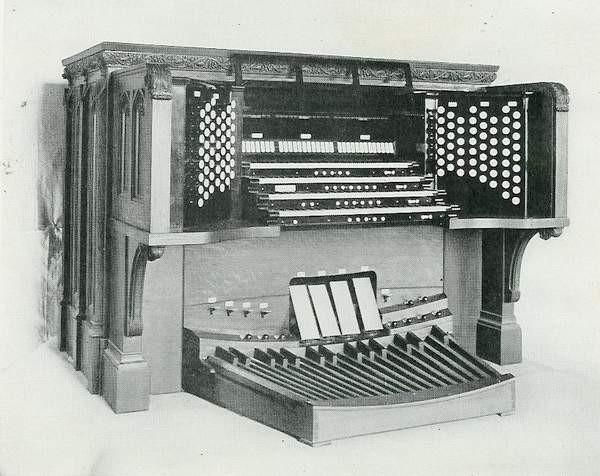
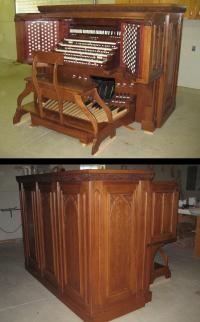
CONSOLES
Builder: Unknown
Position: Unknown
Design: Unknown
Pedalboard Type: Unknown
Features:
4 Manuals (61 Notes)32 Note Pedal75 Stops100 RegistersElectrical Key ActionElectrical Stop ActionStop Layout: Unknown
Expression Type: Unknown
Combination Action: Unknown
Control System: Unknown or N/A
Something missing or not quite correct?Add ConsoleorSuggest an Edit
DETAILS
This instrument is: ExtantandPlayable in this location
Identified through information adapted from E. M. Skinner/Aeolian-Skinner Opus List, by Sand Lawn and Allen Kinzey (Organ Historical Society, 1997), and included here through the kind permission of Sand Lawn:
Contract signed May 19, 1906 with the provision that it be built under the direction of E.M. Skinner; installed in 1910; dedication recital played by Clarence Dickenson in March, 1911; in 1939 Ernest M. Skinner & Son removed console, Great, Swell and three pedal ranks and protected rest when a completely new roof was put over the choir and sanctuary; the removed section was set up as a temporary organ on floor level; put back in place in 1941; rebuilt by AEolian-Skinner in 1954 as #150-A with new console using existing shell (contract dated December 7, 1951); reusing forty-eight existing ranks; one tonal change in 1963, #15O-B; restoration work by Douglass Hunt; extant.
Webpage Links: Op. 150: Cathedral of St. John the Divine
Related Instrument Entries: Aeolian-Skinner Organ Co. (Opus 150-A, 1954) , Quimby Pipe Organs, Inc. (2009)
Something missing or not quite correct?Add NoteorAdd WebpageorAdd Cross ReferenceorSuggest an Edit