Thomas L. Gagan
1961
Originally Aeolian-Skinner Organ Co. (Opus 1096, 1950)
Mason Methodist Church
2710 N. Madison Street
Tacoma, WA, US
33 Ranks - 2,033 Pipes
EXPLORE IMAGESVIEW STOPLISTSomething not quite correct?Suggest an Edit
IMAGES
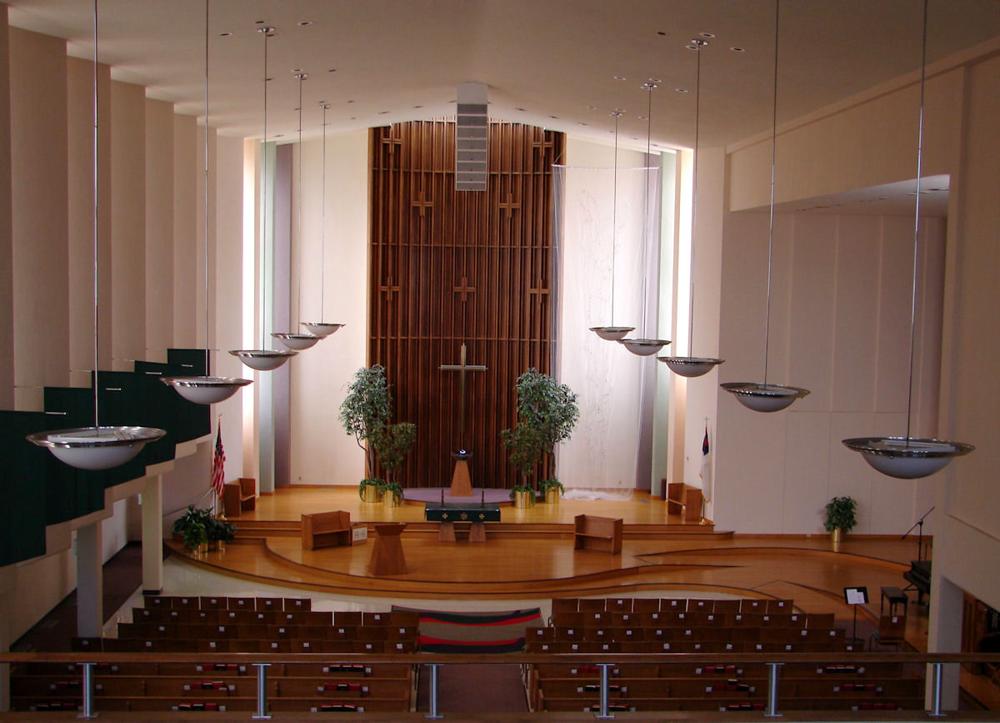
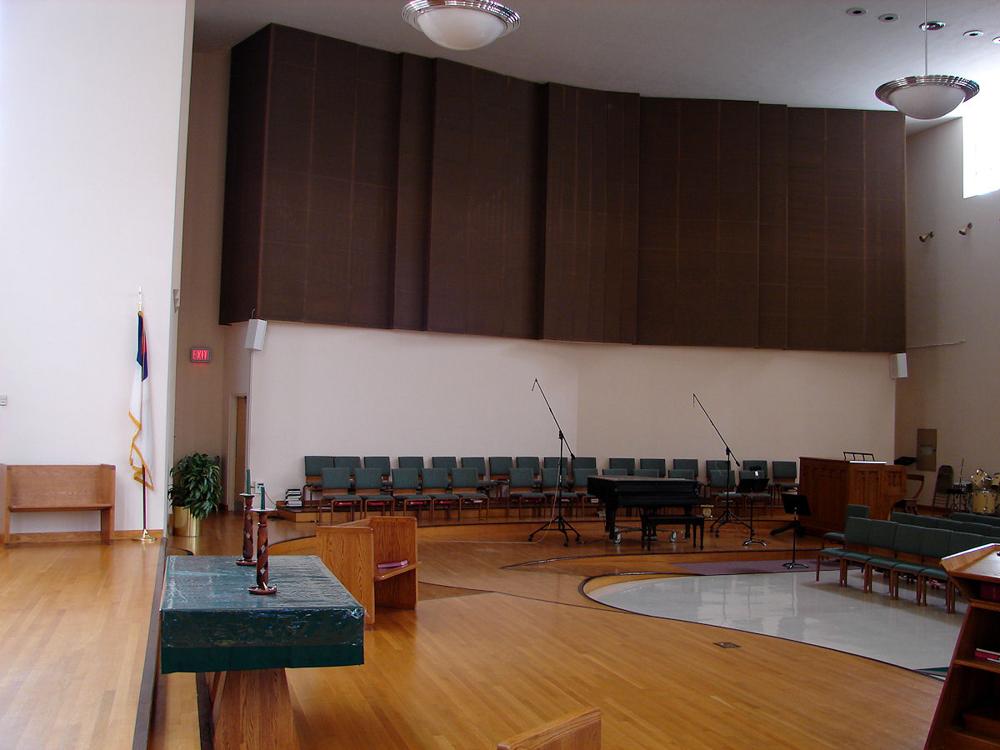
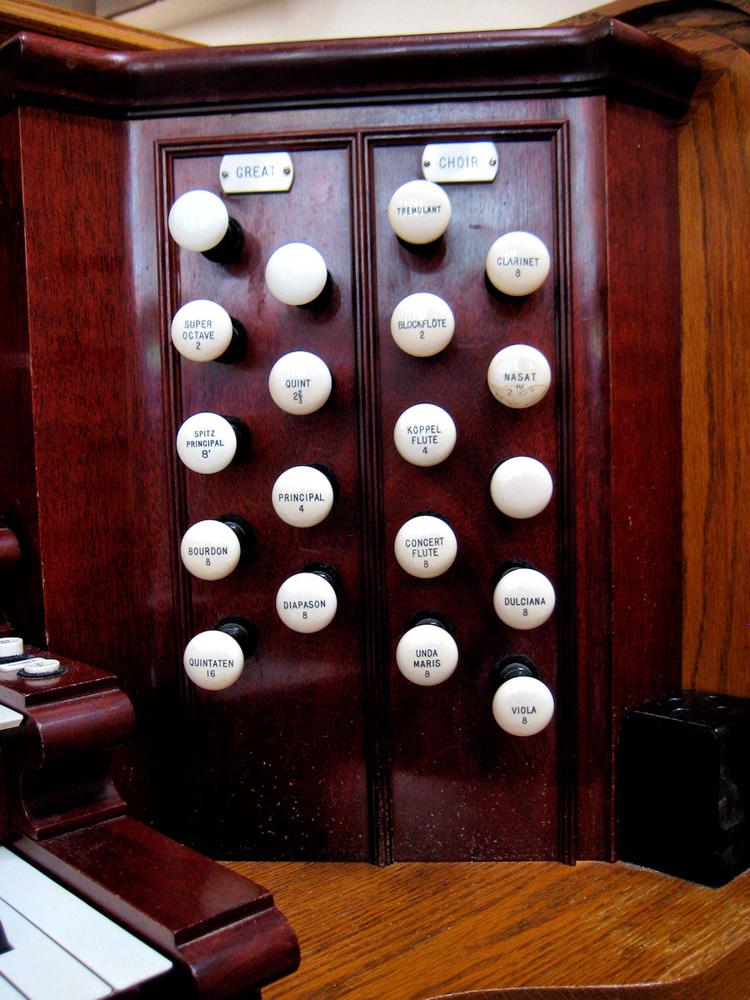
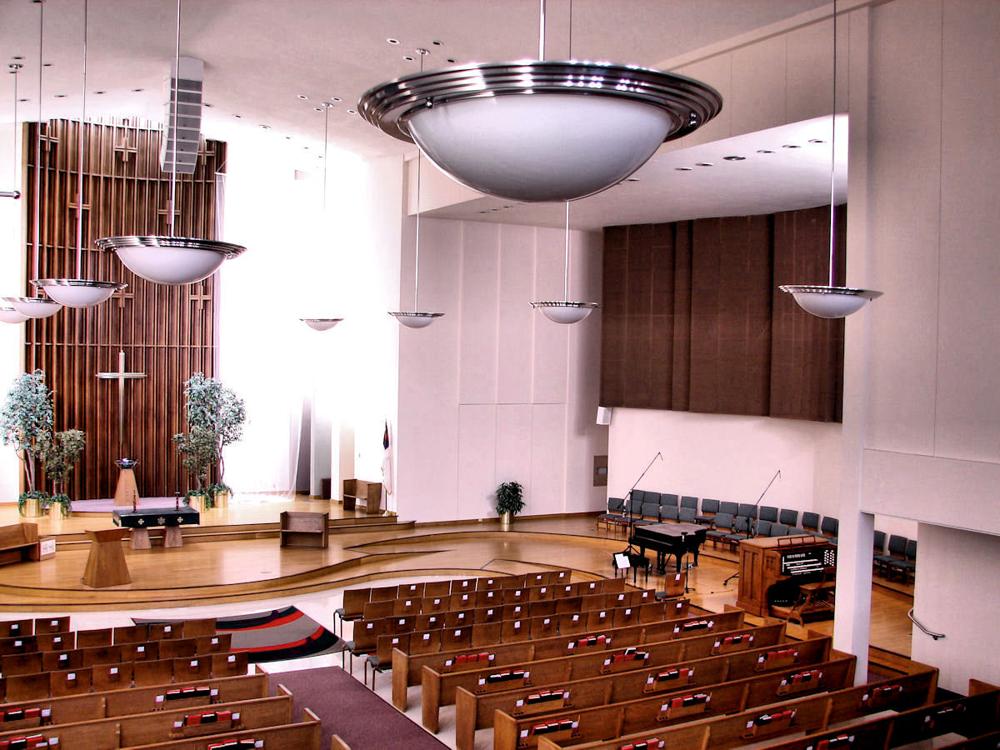
Something missing or not quite correct?Add ImageorSuggest an Edit
STOPLISTS
Something missing or not quite correct?Add Stoplist
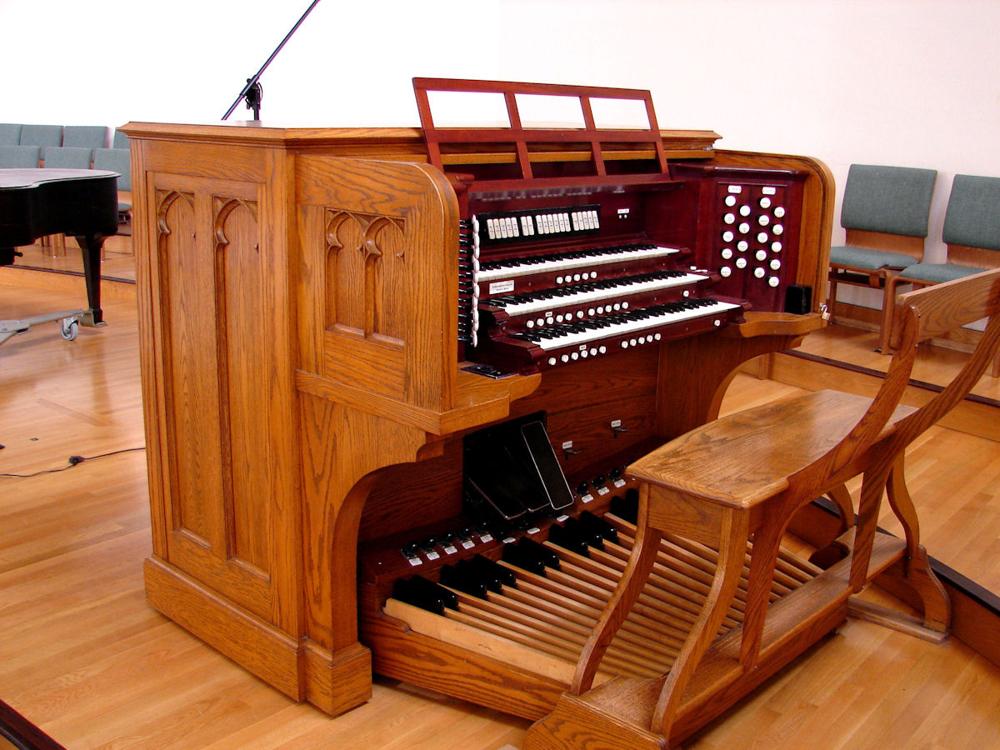
CONSOLES
Builder: Unknown
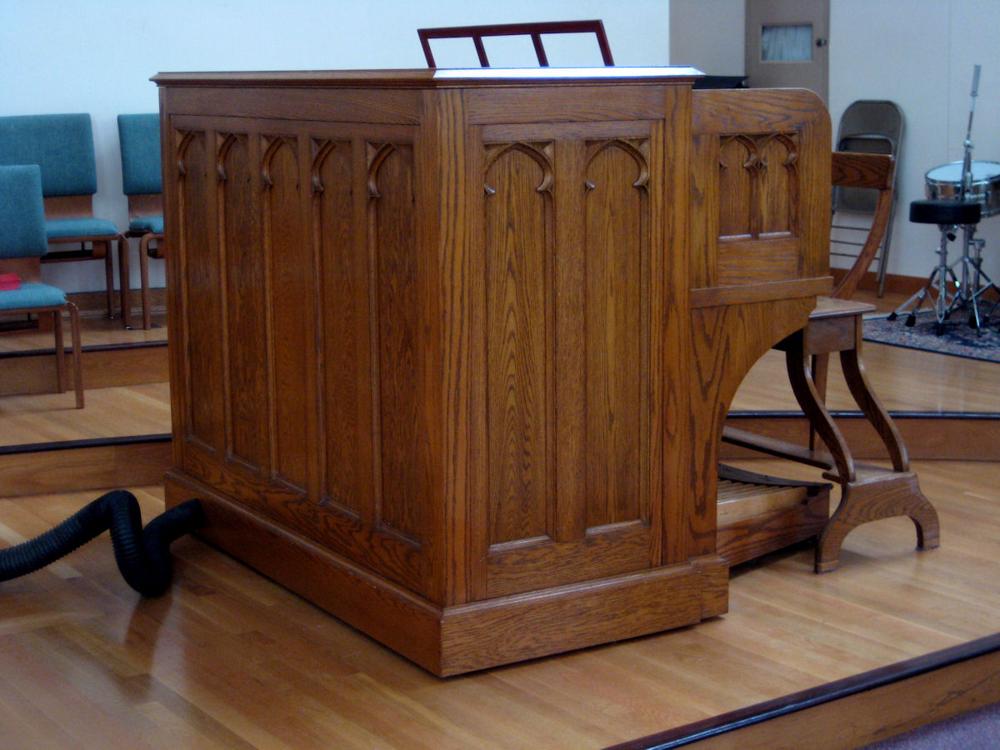
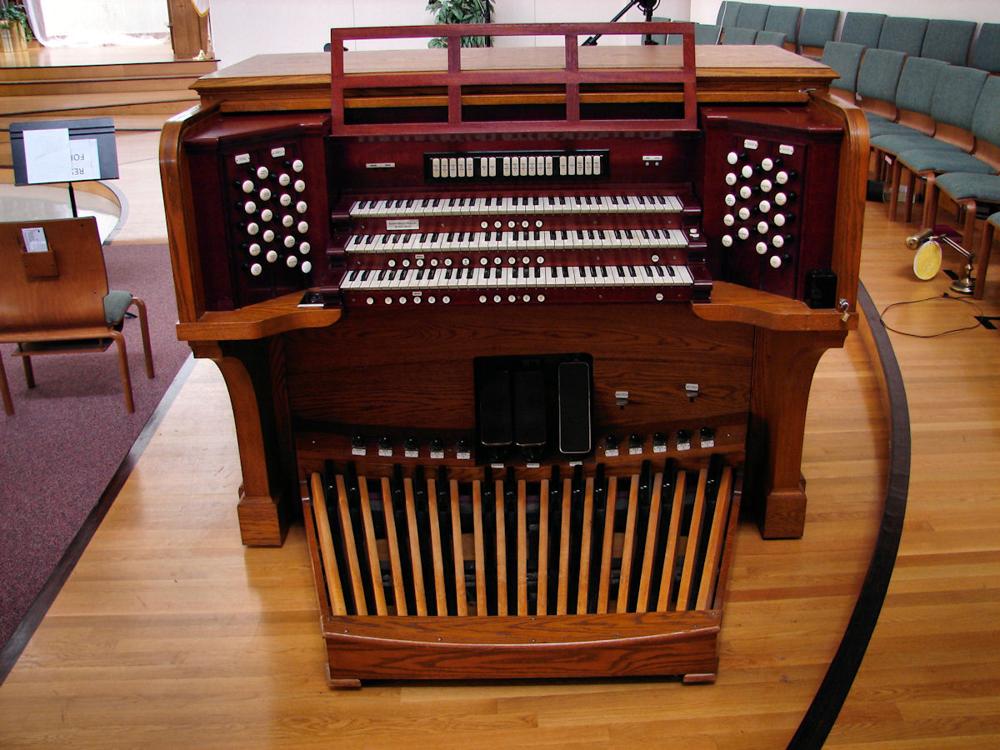
Position: Movable Console
Design: Traditional With Roll Top
Pedalboard Type: Concave Radiating (Meeting AGO Standards)
Features:
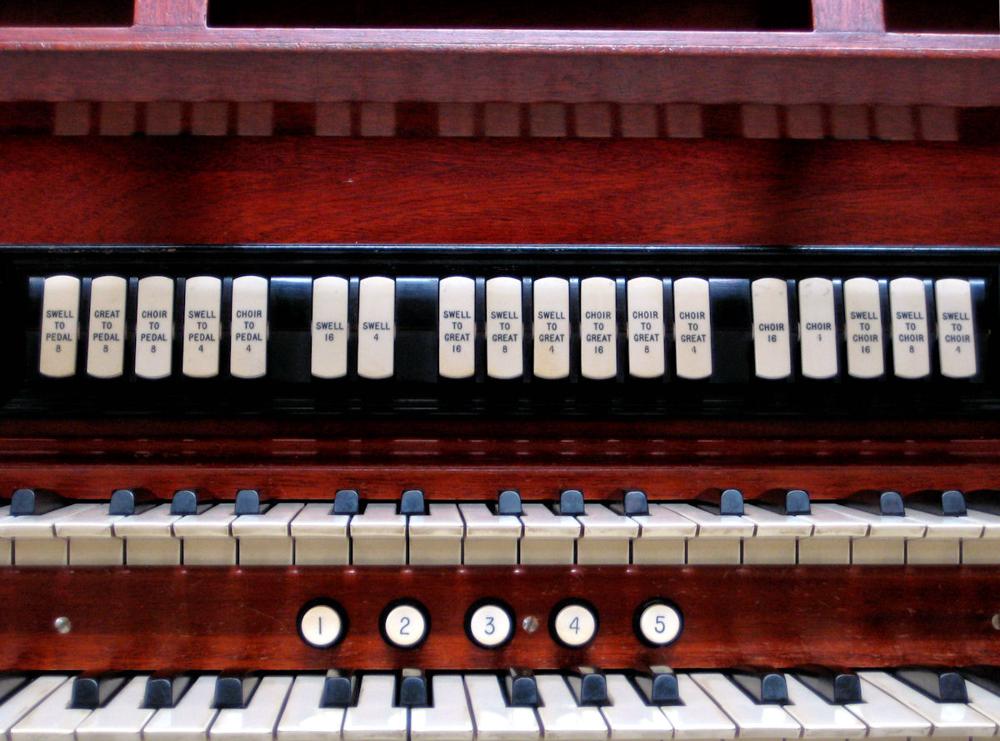
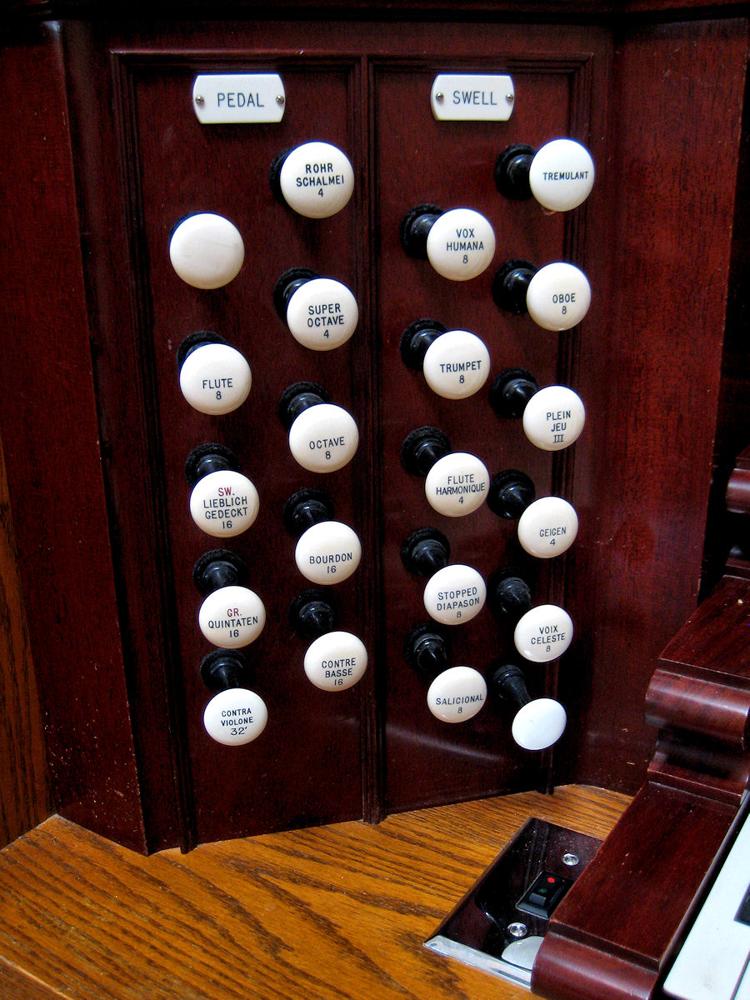
3 Manuals (61 Notes)32 Note Pedal4 Divisions30 Stops37 RegistersElectrical Key ActionElectrical Stop ActionCombination Thumb Piston(s)Coupler Toe Piston(s)Sforzando Thumb Piston(s)Sforzando Toe Piston(s)Stop Layout: Drawknobs in Vertical Rows on Angled Jambs
Expression Type: Balanced Expression Shoes/Pedals (Meeting AGO Standards)
Combination Action: 'Hold and Set' Pneumatic/Mechanical
Control System: Unknown or N/A
Something missing or not quite correct?Add ConsoleorSuggest an Edit
DETAILS
This instrument is: ExtantandPlayable in this location
Updated through online information from Dan Waddell. -- The 32' Contra Violone is electronic. Rodgers components, built by Jason Grable and installed by Homer Johnson. Also, the unit 8' diapason on the pedal was extend to 32 notes by Homer Johnson. I was organist there in c. 1974-1983.
Database Manager on July 4th, 2015:
Updated through online information from Dan Waddell. -- I was organist from 1975-1983. Some of the complaints about volume were (sort of) fixed by reversing the swell & choir shutter so they open pointing up. This gives a less direct sound to the house.
The organ was moved from the old style sanctuary (wood, carpet, multiple aisles, etc) to the new church by Felix Schoenstein (SF) intact - no voicing thus the somewhat 'in your face' impression.
Further, the electronic 32 CViolone was designed to support the Unda Maris but, when the 16 Diapason was drawn, the volume was increased to support the full organ.
So much to remember....... I should have written it down!
Database Manager on November 1st, 2011:
Updated through online information from Jeff Orr. -- The organ was built and installed by Aeolian-Skinner under the supervision of West Coast representatives Stanley Williams and Thomas Gagan. When a new sanctuary was built, the organ was moved into its current location under the supervision of Mr. Gagan. A 3 rank mixture was added to the Great Division. In addition the 4' Rohr Schalmei in the Pedal Division has been removed and replaced with a 1951 Wick's 16' and 8' Posaune. The electonic 32' Contra Violone has been deactivated. In addition the Chimes have been moved back to a Great drawknob and also reconnected to the Pedal Division, as was called for in the original specification.
Database Manager on February 4th, 2010:
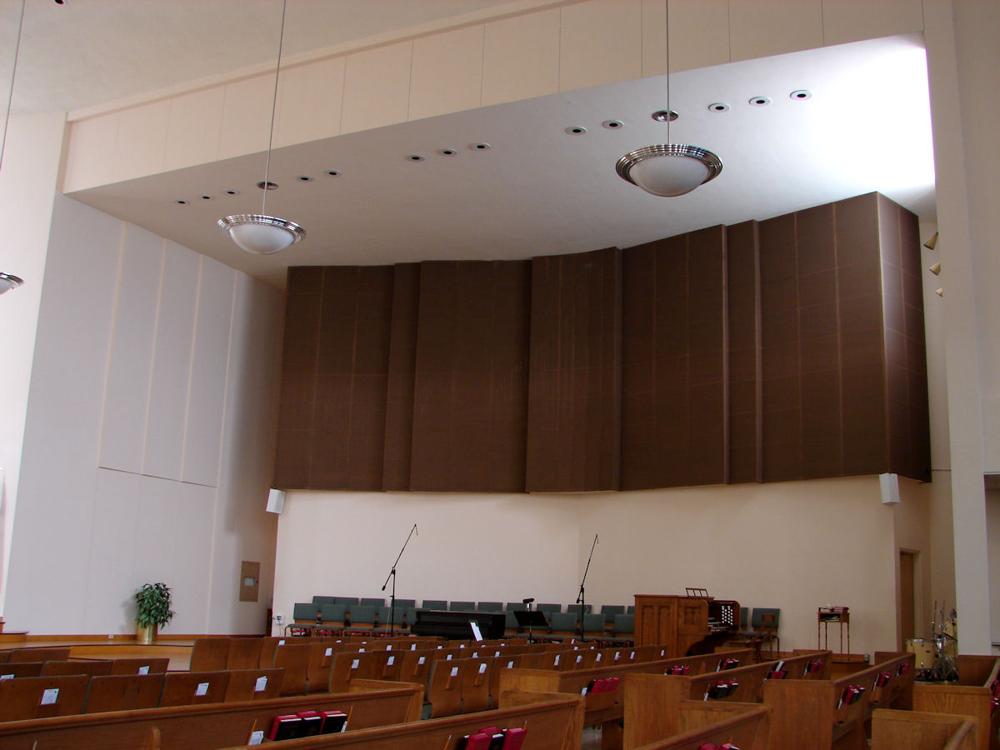
Updated through online information from James R. Stettner. -- The organ is installed in chambers in a musician's space on the left side of the sanctuary towards the front. The sanctuary has no carpeting or pew cushions, and all hard surfaces, so the acoustics are great (if not even a bit too much). The console has been placed on casters, though it's still air-operated. Some of the original ranks have been re-pitched, and other ranks/stops have been added. It's still mostly original, though.
Database Manager on March 18th, 2008:
Identified through information adapted from E. M. Skinner/Aeolian-Skinner Opus List, by Sand Lawn and Allen Kinzey (Organ Historical Society, 1997), and included here through the kind permission of Sand Lawn:
Relocation to new building of Aeolian-Skinner Opus 1096 (1946). Some alterations through 1982.
Related Instrument Entries: Aeolian-Skinner Organ Co. (Opus 1096, 1946)
Something missing or not quite correct?Add NoteorAdd WebpageorAdd Cross ReferenceorSuggest an Edit