Henry Erben
1873
Brandon Parish Episcopal / aka Martin's Brandon Church, Brandon Church, Martin's Brandon Episcopal Church
Burrowsville, VA, US
3 Ranks - 168 Pipes
Something not quite correct?Suggest an Edit
IMAGES
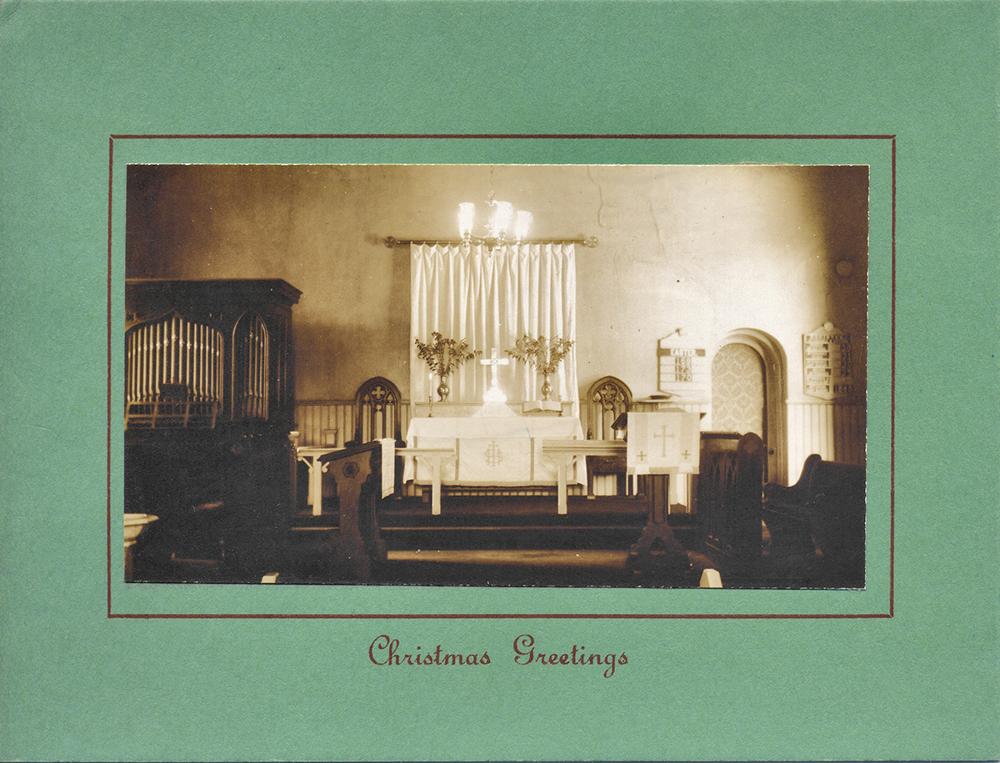
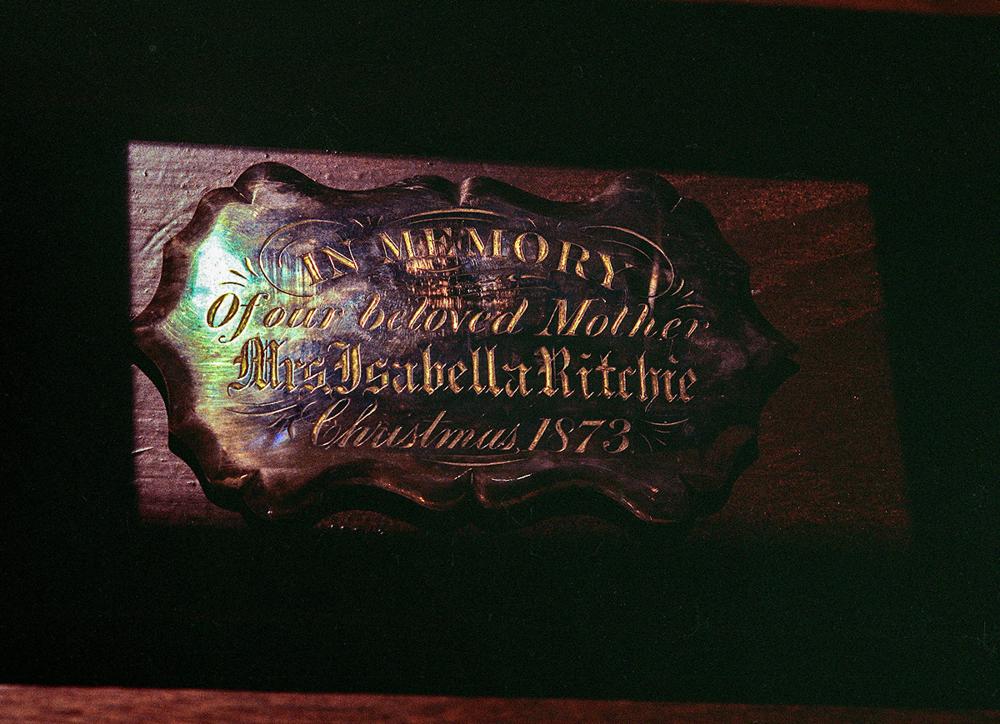
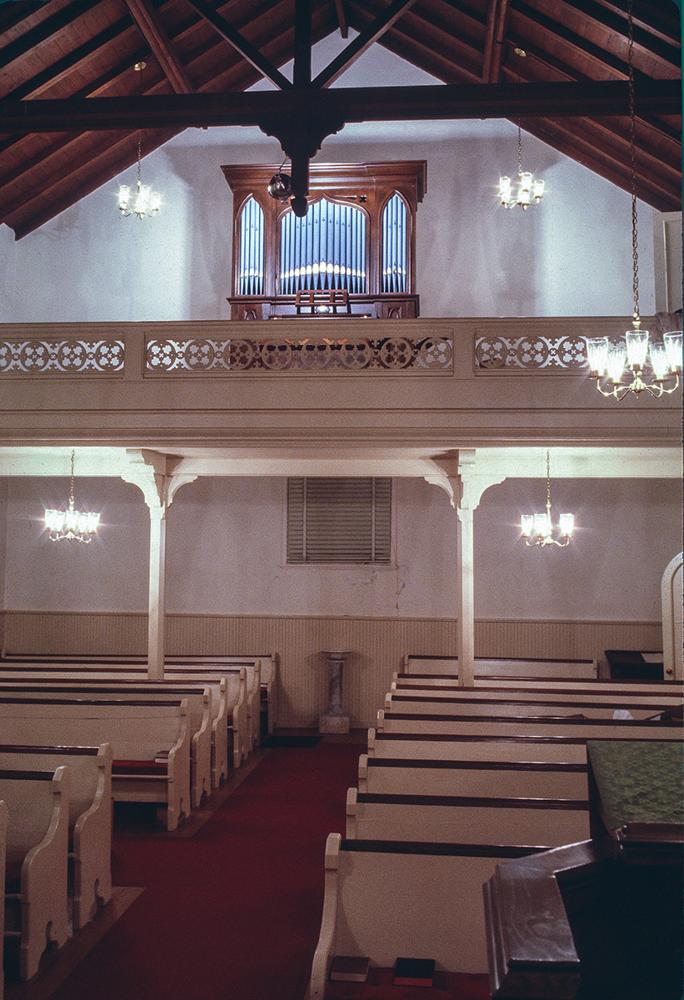
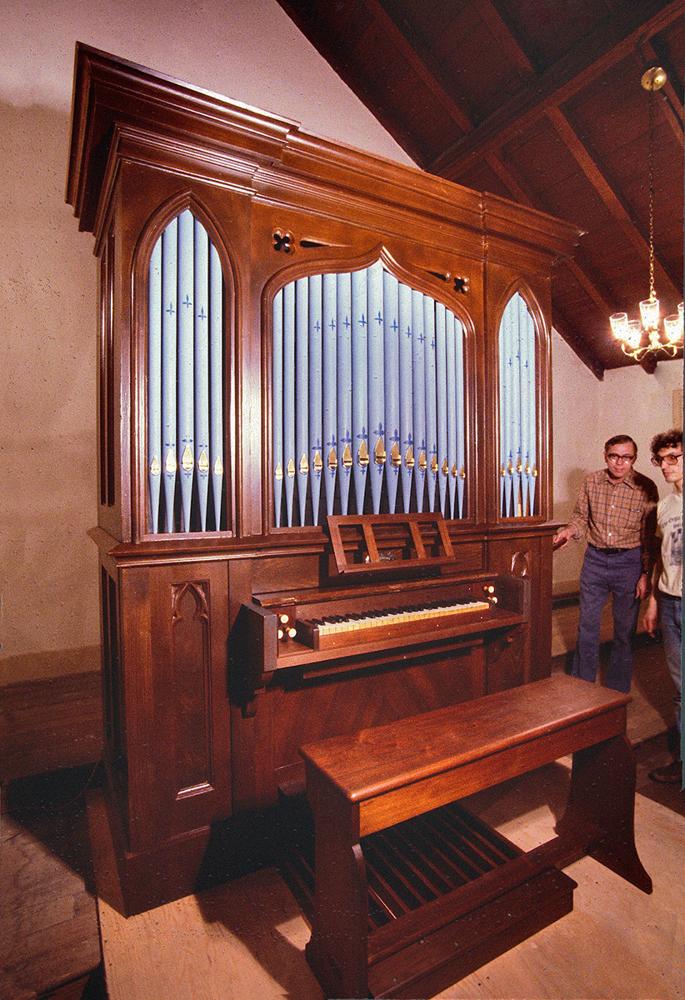
Something missing or not quite correct?Add ImageorSuggest an Edit
STOPLISTS
Something missing or not quite correct?Add Stoplist
CONSOLES
Builder: Unknown
Position: Keydesk Attached
Design: Unknown
Pedalboard Type: Flat Straight
Features:
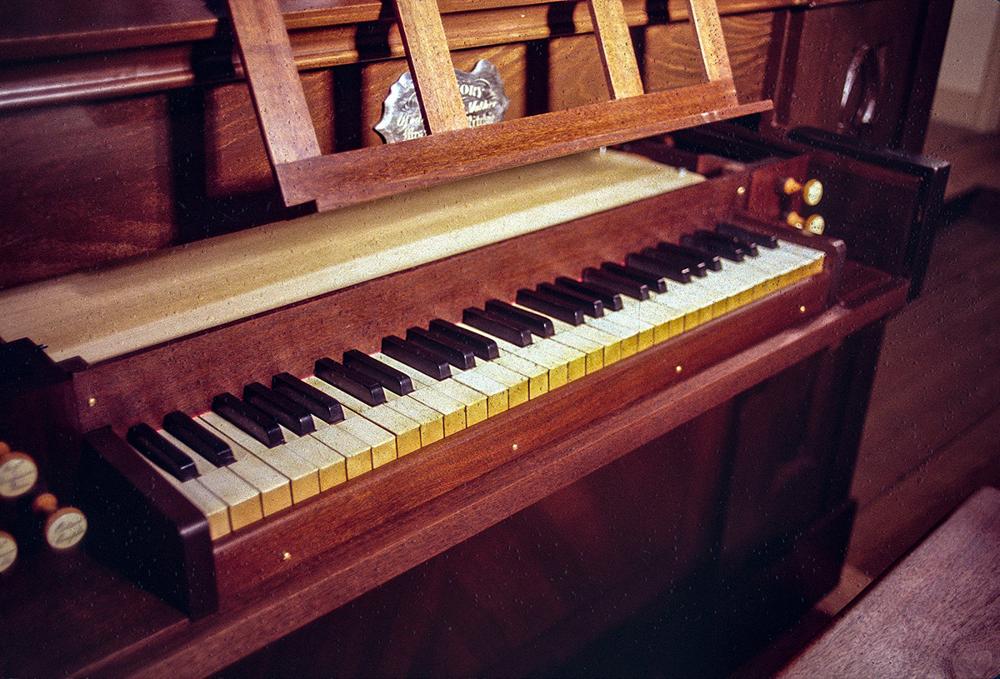
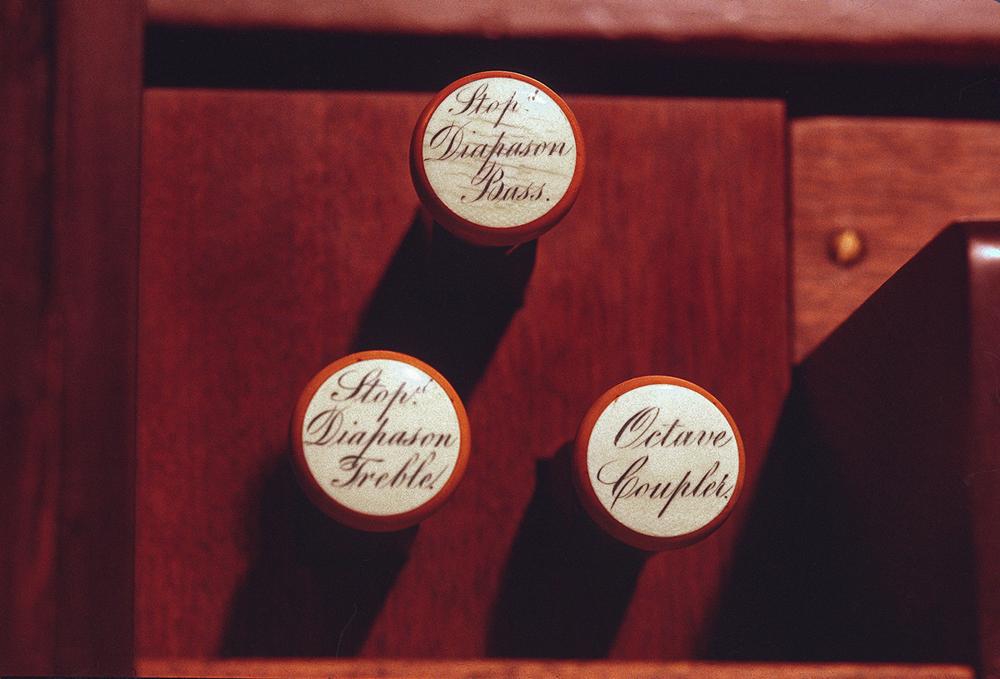
1 Manuals 4 StopsMechanical (Unknown) Key ActionMechanical Stop ActionStop Layout: Unknown
Expression Type: Unknown
Combination Action: None
Control System: Unknown or N/A
Something missing or not quite correct?Add ConsoleorSuggest an Edit
DETAILS
This instrument is: Extant and Playable in this location
The postal address uses a different city, but Burrowsville is the actual location.
Database Manager on May 20th, 2019:
Updated by William T. Van Pelt, the builder.
Please note that the present information in the database is incorrect: this is NOT a G-compass organ. The lowest note on the manual and pedal keyboards is C.
Status Note: There 1980; dedication recital played by John K. Ogasapian on November 15, 1980
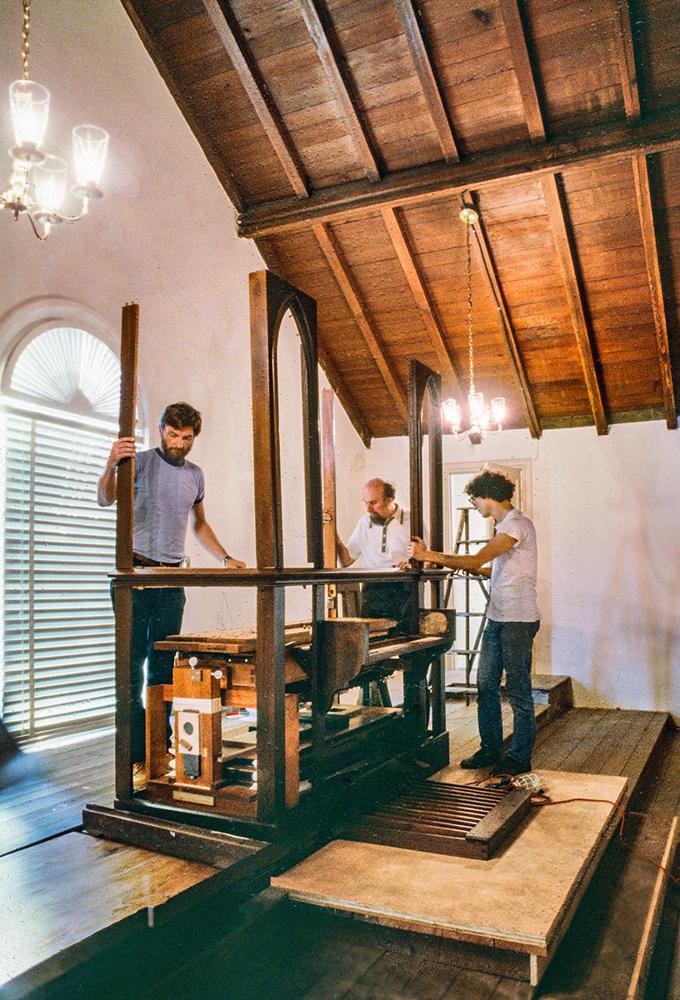
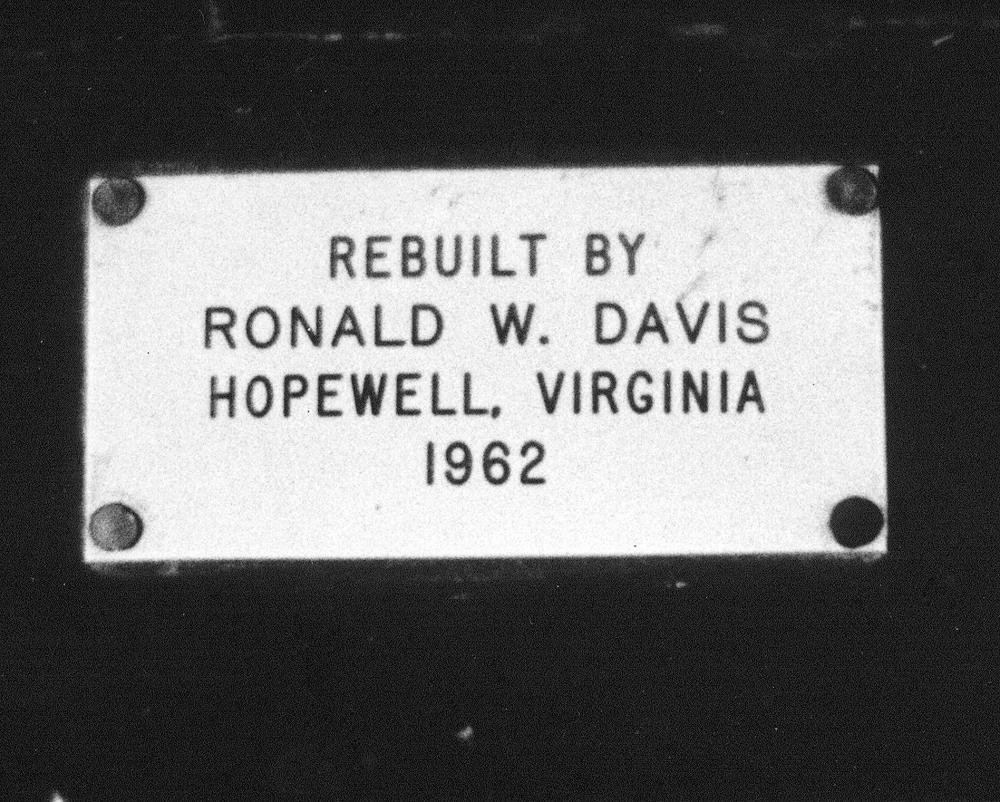
Restored by Mann & Trupiano 1980 (not 1982). Work done by Ronald W. Davis in 1962. The organ was NEVER G-compass. 2.5-inch windpressure. The entire organ is under expression. Horizontal Swell shutters. No-hitch-down, unbalanced Swell Pedal to the Right of keyboard -- organist must hold the pedal down to keep the shutters open. A makeshift stick has been used to do this for many years.
Database Manager on April 23rd, 2019:
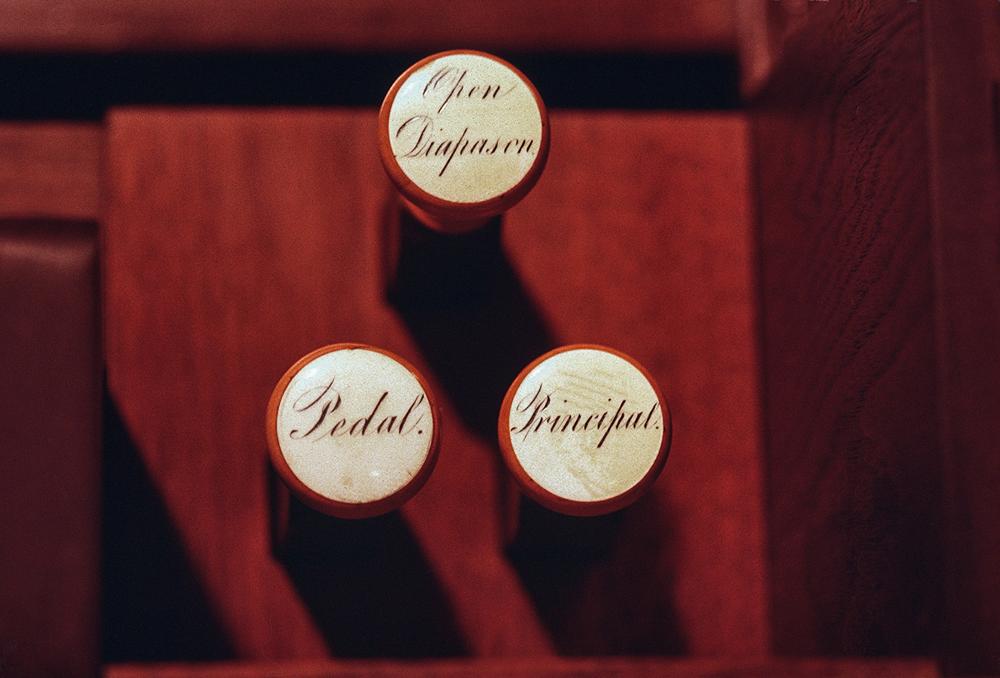
(Per an email from William van Pelt) The drawknobs are on flat jambs, but since there are only three knobs per side, they are not actually in rows. The Swell shoe does not have a hitch, it closes when released. A make-shift device is being used to hold the shoe in an open position.
Database Manager on April 22nd, 2019:
Updated through online information from William van Pelt. The hand pumping mechanism existed and was restored with the rest of the organ in 1980. The original wooden windline between the reservoir and windchest was preserved intact (and stored atop the organ) and restorer Larry Trupiano built a replacement wooden windline as an exact replica of the original into which he cut a hole and built a wooden curtain valve to accommodate a modern electric blower to replace the abandoned old blower. Restoration of the reservoir including patching the hole through which the old blower's wind entered the reservoir.
Database Manager on April 15th, 2012:
Updated through online information from Kimberly J Goodrich.
Database Manager on October 30th, 2004:
Status Note: There 1982.
Database Manager on October 30th, 2004:
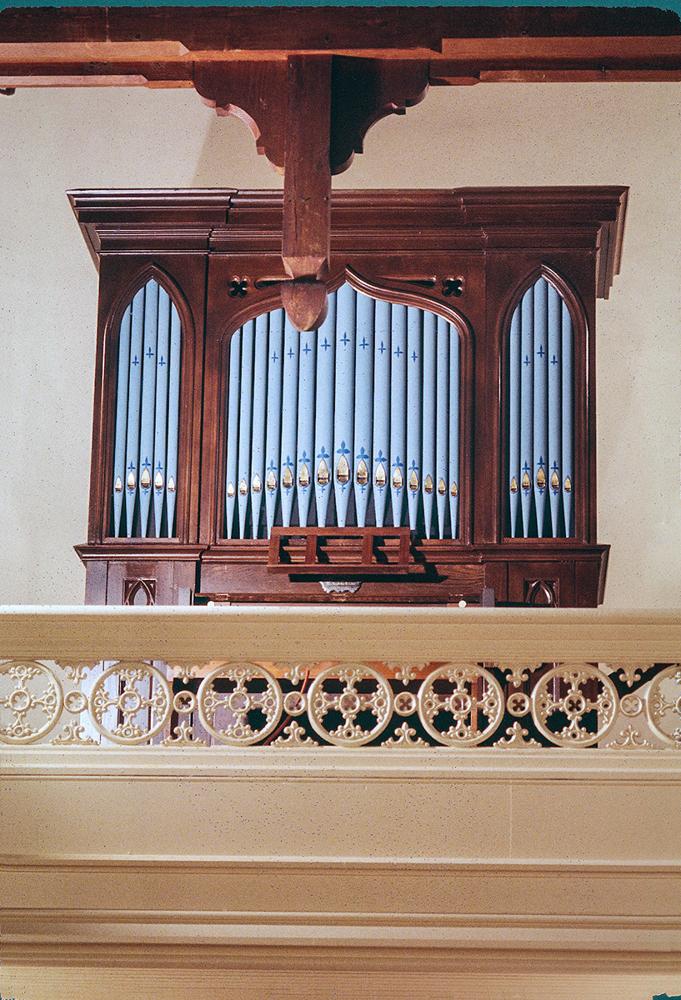
Restored by Mann & Trupiano 1980. Earlier work by Ronald Davis (Richmond). Rear Gallery. 56 note, G compass. 2.5in. windpressure. Enclosed.
Something missing or not quite correct?Add NoteorAdd WebpageorAdd Cross ReferenceorSuggest an Edit