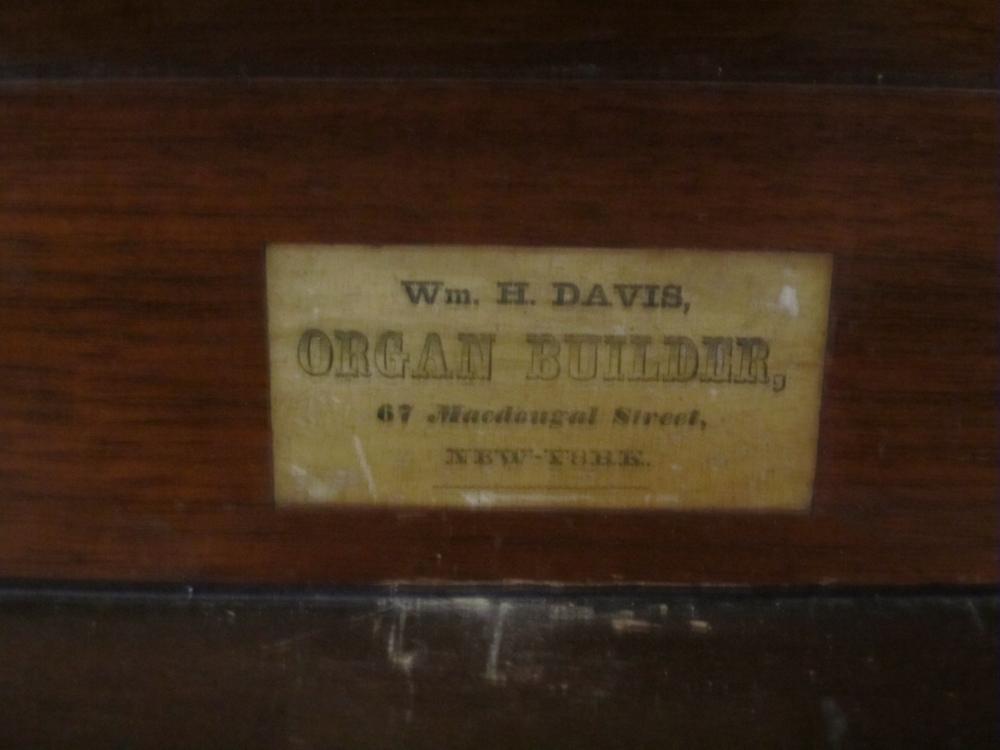
Wm. H. Davis & Son
1855
St. Peter's Episcopal Church
Maple Avenue
Hobart, NY, US
5 Ranks
Instrument ID: 4236 ● Builder ID: 6754 ● Location ID: 4026
⬆️ These are database IDs that may change. Don't use as academic reference.EXPLORE IMAGESVIEW STOPLISTSomething not quite correct?Suggest an Edit
Plenum Organ Company
🤝 Instrument entries in New York sponsored by:
We are grateful for the generous support of our sponsors, who make it possible for us to continue our mission of preserving and promoting the rich history of pipe organs across the globe.

IMAGES
Category:
Only show images in a specific category ☝️
Something missing or not quite correct?Add ImageorSuggest an Edit
STOPLISTS
Selected Item:
View additional stoplist entries if they exist ☝️
Something missing or not quite correct?Add StoplistorSuggest an Edit
CONSOLES
Selected Item:
View additional console entries if they exist ☝️
Builder: Wm. H. Davis & Son
Position: Keydesk Attached, Manuals Set Into Case
Design: Traditional With Hinged Doors That Enclose Keyboards
Pedalboard Type: Flat Straight
Features:
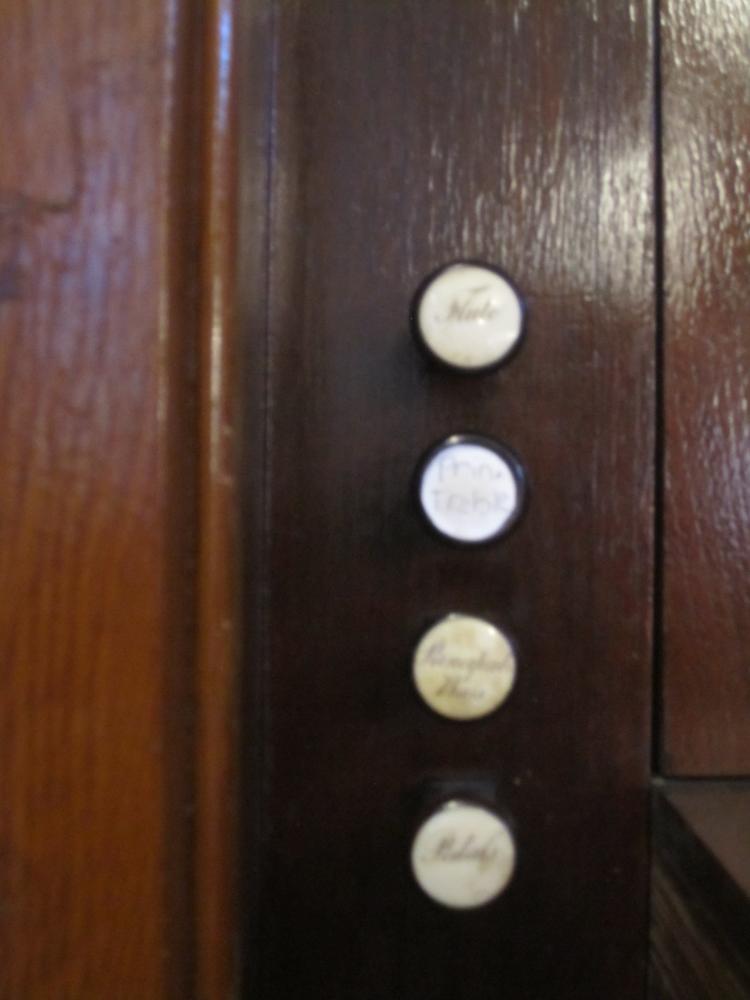
1 Manuals (54 Notes)13 Note Pedal1 Divisions7 Stops8 RegistersMechanical (Unknown) Key ActionMechanical Stop ActionStop Layout: Drawknobs in Vertical Rows on Flat Jambs
Expression Type: Trigger/Hitch-Down Expression
Combination Action: None
Control System: Unknown or N/A
Something missing or not quite correct?Add ConsoleorSuggest an Edit
DETAILS
Switch between notes, documents, and blowers ☝️
This instrument is: Extant and Playable in this location
Scot Huntington on June 29th, 2021:
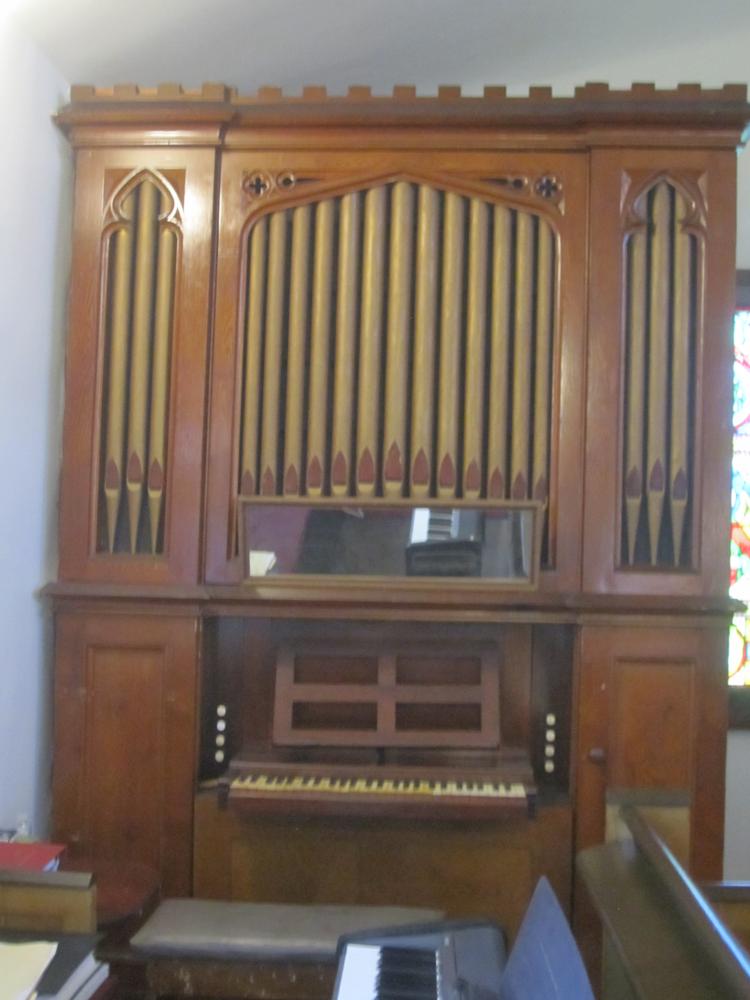
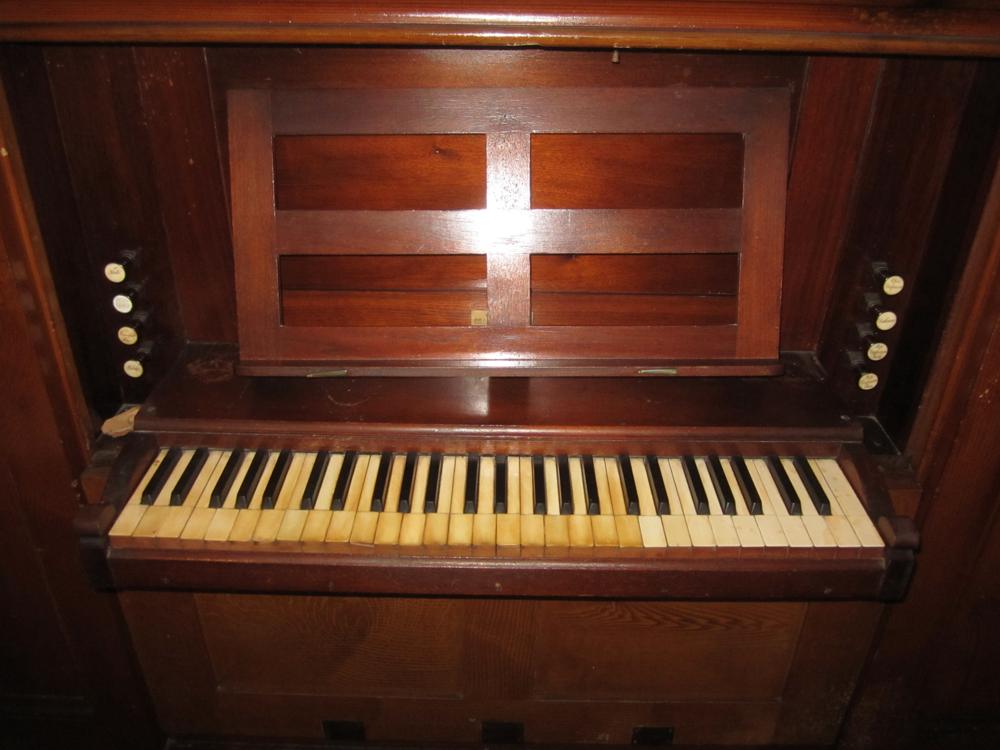
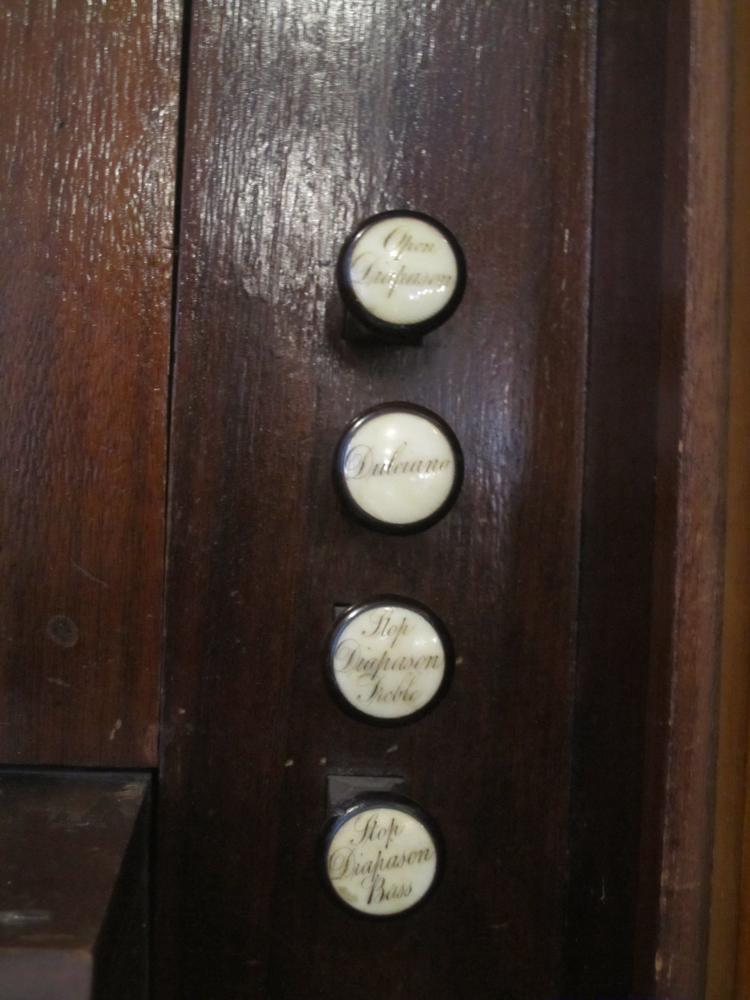
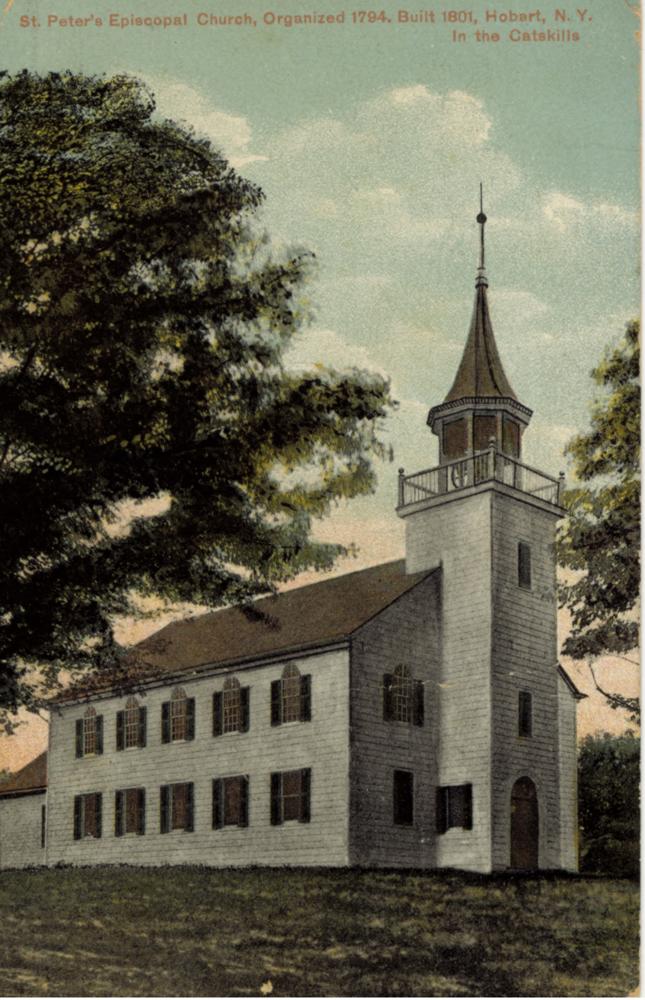
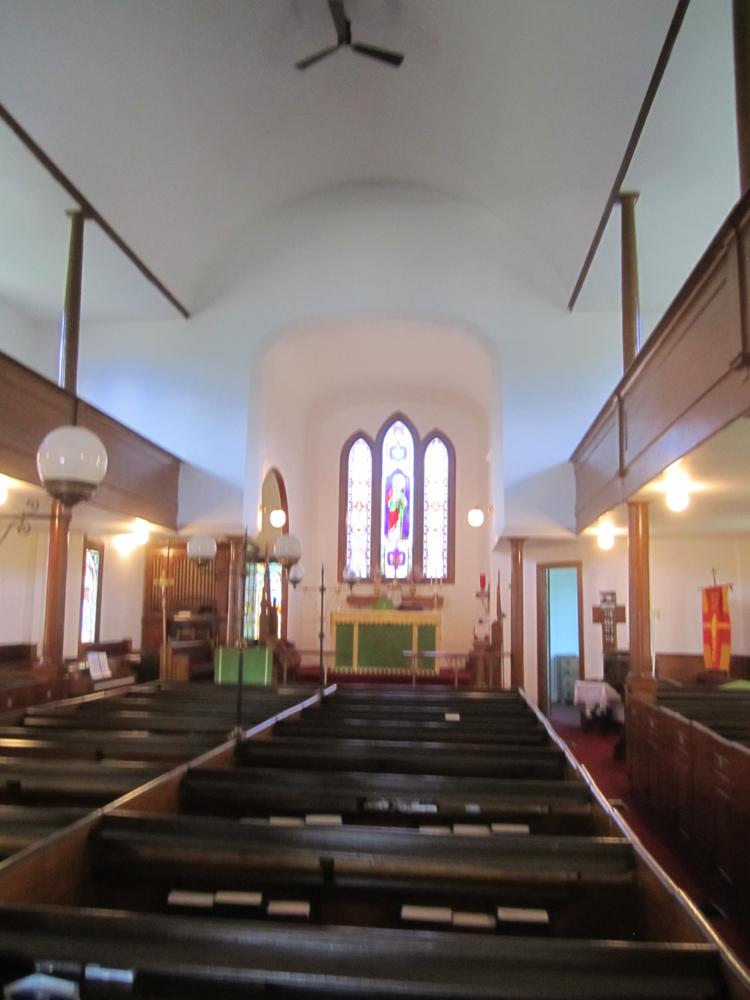
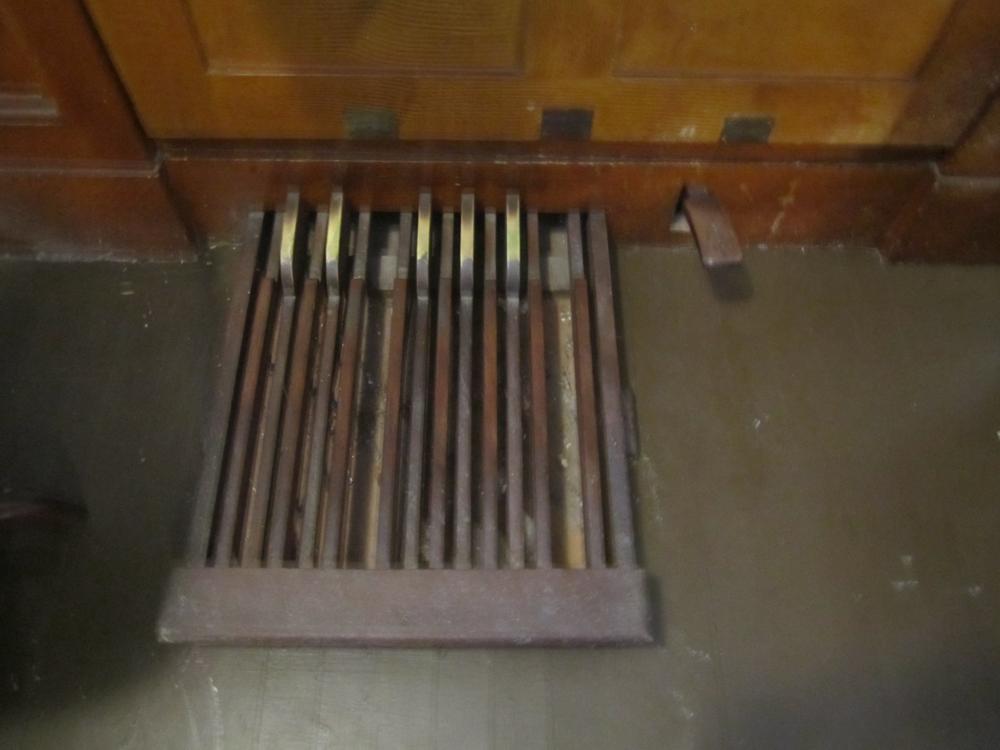
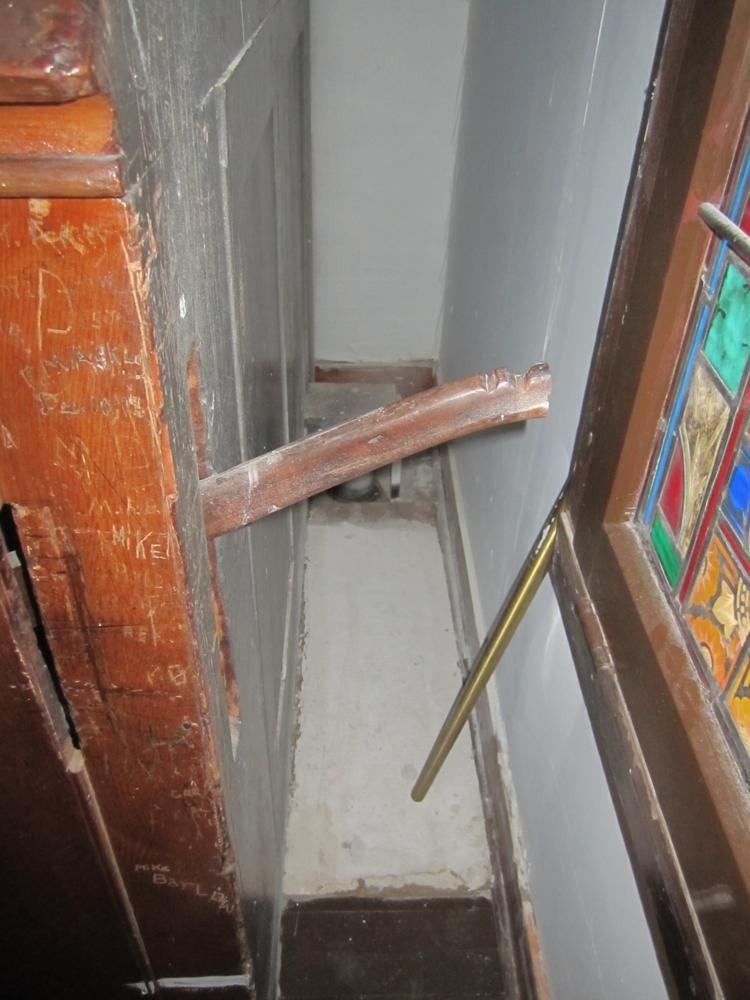
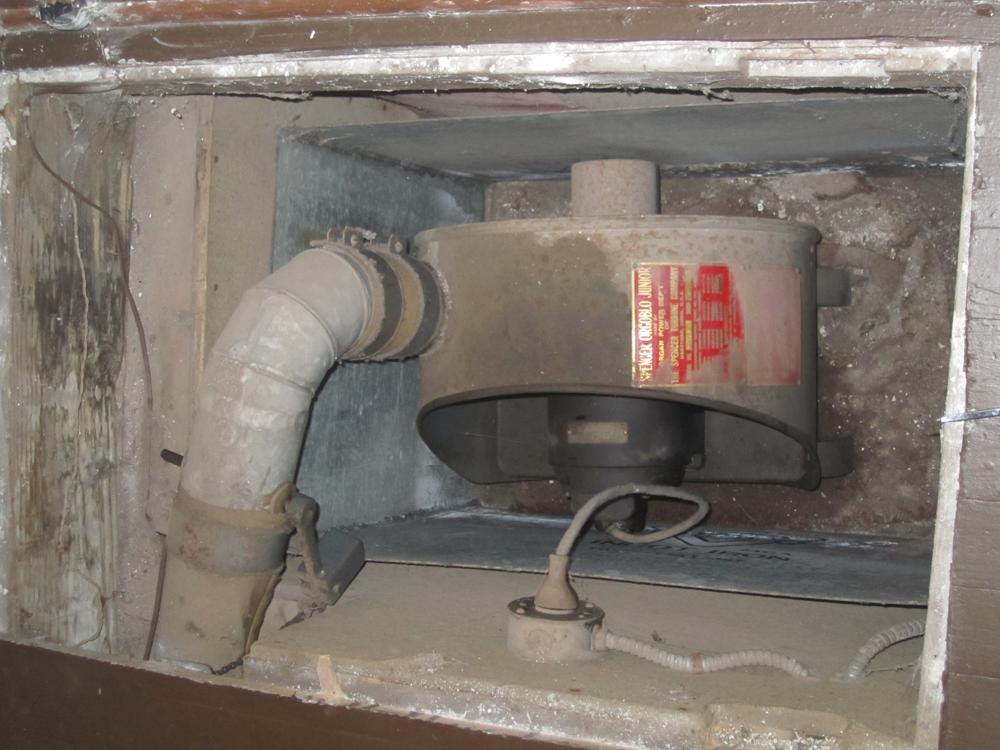
I examined the organ June 28, 2021. Other than the addition of a 1/6 h.p. Spencer Junior electric blower, (3" static pressure), the organ is in original and unaltered condition. The blower is installed in a metal box placed in a well to the side of the organ, accessed by lifting a hinged section of the floor-- there being no cellar under this portion of the building. The instrument is very well built from quality materials, including mahogany chest table and sliders. The pipework is beautifully crafted of substantial common metal, and the wood pipes are sealed with brick paint throughout. The faux-grained oak finish on pine is well executed by an experienced hand. The voicing is sweet yet fulsome . As of 2021, the double-rise reservoir and single-wedge feeder are still operating on original leather- remarkable. The church was built in 1801 with a three-sided gallery and barrel-vault ceiling. If it weren't for the carpet covering every square inch, the church would have excellent acoustics. At some point in the 20th century, the interior of the upper case was lined with thin sheets of homosote acoustical material. The horizontal shades open not quite half-way, and the rear of the case has been removed to allow greater tonal egress, but has unfortunately been lost. The reservoir is weighted with field stones. The pump handle protrudes from the right rear of the case, and was shortened by probably at least half so the organ can sit close to the wall after it was moved to the front. The facade of half-round wooden dummies may have originally been gilded, but the present treatment is either paint or an antique gold toner glaze, and the upper lips (but not the lower) are painted a dark maroon. The stops all divided a tenor-f, with only the Principal and Stop'd bass being full compass. The wood trebles have bored stoppers, and screwed-on walnut caps. The metal ranks have no skiving, and the cutups are ever so slightly arched. The nicking is vertical and moderately light. The metal pipes overblow normally by mouth, i.e. voiced on the quick side. The stop'd bass is strong with a prominent twelfth. The only zinc pipes in the organ are notes 1-5 of the 4' Principal. The octave of pedals is original, and is engaged with a stop knob. The hitchdown pedal has a short travel and a single hitch at full open. The metal pipes are carefully cut to pitch with little evidence of tuning-- small tabs on the larger pipes, minimal coning of the small pipes, currently with random and mild pinching adjustments. The pitch is low: 436.4 at 83 degrees, which would be roughly 430 at 70. The keyboard is pulled out to play, and the stickers attached to the fan backfall are secured in a register and ride up a long ramp at the key tail when the keyboard is fully extended. A hinged panel folds down to open the keydesk. Presently the key dip is very shallow: 4 mm. The stop jambs are rosewood veneer, but the keyframe and music desk area of the keydesk are black walnut. The music rack is held in position by a rather fussy prop stick-- making a hinged prop stick would have been simpler and more secure. The stoplist in the Tracker 44:4 is in error, omitting the Dulciana. This has now been corrected in the specification attached to this entry. Originally installed in the center of the rear gallery. Given the barrel shape of the ceiling, the distribution of the organ's tone throughout the room would have been surprisingly even and present. The organ was moved in 1880 to a confining alcove to the left of the chancel, and a wall was constructed in the gallery cutting its depth in half. The reason for this is inexplicable to us today, unless the previous gallery extending deep into the tower was cold and difficult to heat. The organ can not now be moved to its original advantageous position in the gallery. The ensemble of space, oak-grained box pews with doors, and organ is all of a piece and especially fine.
I examined the organ June 28, 2021. Other than the addition of a 1/6 h.p. Spencer Junior electric blower, (3" static pressure), the organ is in original and unaltered condition. The blower is installed in a metal box placed in a well to the side of the organ, accessed by lifting a hinged section of the floor-- there being no cellar under this portion of the building. The instrument is very well built from quality materials, including mahogany chest table and sliders. The pipework is beautifully crafted of substantial common metal, and the wood pipes are sealed with brick paint throughout. The faux-grained oak finish on pine is well executed by an experienced hand. The voicing is sweet yet fulsome . As of 2021, the double-rise reservoir and single-wedge feeder are still operating on original leather- remarkable. The church was built in 1801 with a three-sided gallery and barrel-vault ceiling. If it weren't for the carpet covering every square inch, the church would have excellent acoustics. At some point in the 20th century, the interior of the upper case was lined with thin sheets of homosote acoustical material. The horizontal shades open not quite half-way, and the rear of the case has been removed to allow greater tonal egress, but has unfortunately been lost. The reservoir is weighted with field stones. The pump handle protrudes from the right rear of the case, and was shortened by probably at least half so the organ can sit close to the wall after it was moved to the front. The facade of half-round wooden dummies may have originally been gilded, but the present treatment is either paint or an antique gold toner glaze, and the upper lips (but not the lower) are painted a dark maroon. The stops all divided a tenor-f, with only the Principal and Stop'd bass being full compass. The wood trebles have bored stoppers, and screwed-on walnut caps. The metal ranks have no skiving, and the cutups are ever so slightly arched. The nicking is vertical and moderately light. The metal pipes overblow normally by mouth, i.e. voiced on the quick side. The stop'd bass is strong with a prominent twelfth. The only zinc pipes in the organ are notes 1-5 of the 4' Principal. The octave of pedals is original, and is engaged with a stop knob. The hitchdown pedal has a short travel and a single hitch at full open. The metal pipes are carefully cut to pitch with little evidence of tuning-- small tabs on the larger pipes, minimal coning of the small pipes, currently with random and mild pinching adjustments. The pitch is low: 436.4 at 83 degrees, which would be roughly 430 at 70. The keyboard is pulled out to play, and the stickers attached to the fan backfall are secured in a register and ride up a long ramp at the key tail when the keyboard is fully extended. A hinged panel folds down to open the keydesk. Presently the key dip is very shallow: 4 mm. The stop jambs are rosewood veneer, but the keyframe and music desk area of the keydesk are black walnut. The music rack is held in position by a rather fussy prop stick-- making a hinged prop stick would have been simpler and more secure. The stoplist in the Tracker 44:4 is in error, omitting the Dulciana. This has now been corrected in the specification attached to this entry. Originally installed in the center of the rear gallery. Given the barrel shape of the ceiling, the distribution of the organ's tone throughout the room would have been surprisingly even and present. The organ was moved in 1880 to a confining alcove to the left of the chancel, and a wall was constructed in the gallery cutting its depth in half. The reason for this is inexplicable to us today, unless the previous gallery extending deep into the tower was cold and difficult to heat. The organ can not now be moved to its original advantageous position in the gallery. The ensemble of space, oak-grained box pews with doors, and organ is all of a piece and especially fine.
Database Manager on April 18th, 2019:
Updated by Scot Huntington, who gave this as the source of the information: Personal correspondence 3/25/2019. <br> <br>
Database Manager on February 27th, 2017:
Updated by Scot Huntington, naming this as the source of information: The Tracker 44:4:20. <br>
Database Manager on February 27th, 2017:
Updated by Scot Huntington <br>
Database Manager on October 30th, 2004:
Status Note: There 1995
Database Manager on October 30th, 2004:
'we have been enabled to procure and excellent organ, which in a few days will be placed in the church. Cost $500.
Something missing or not quite correct?Add NoteorAdd WebpageorAdd Cross ReferenceorSuggest an Edit
Pipe Organ Database
A project of the Organ Historical Society Website by John RoperEditor Login