Unknown Builder
1947
Originally W. W. Kimball Co. (1926)
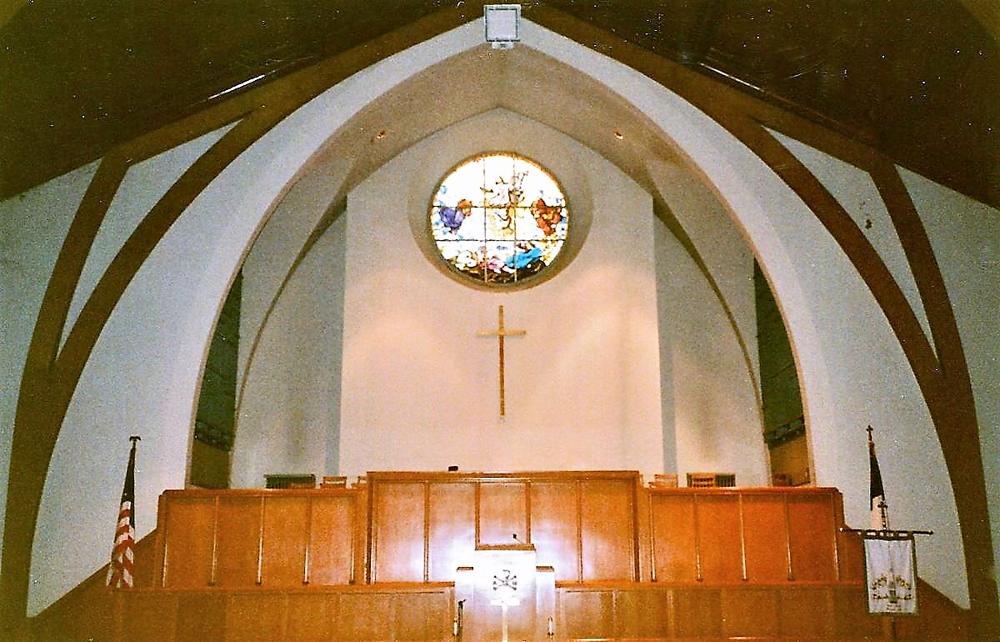
First Methodist Church
Sanctuary
204 N. Second Street
Memphis, TN, US
33 Ranks - 2,246 Pipes
Something not quite correct?Suggest an Edit
IMAGES
Something missing or not quite correct?Add ImageorSuggest an Edit
STOPLISTS
Something missing or not quite correct?Add Stoplist
CONSOLES
Builder: Unknown
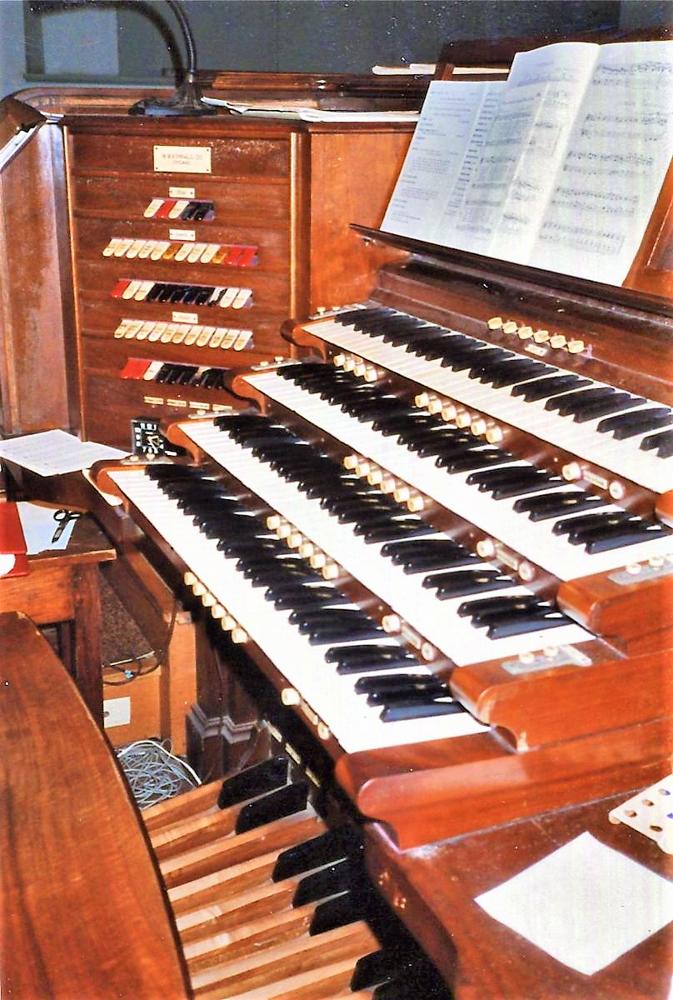
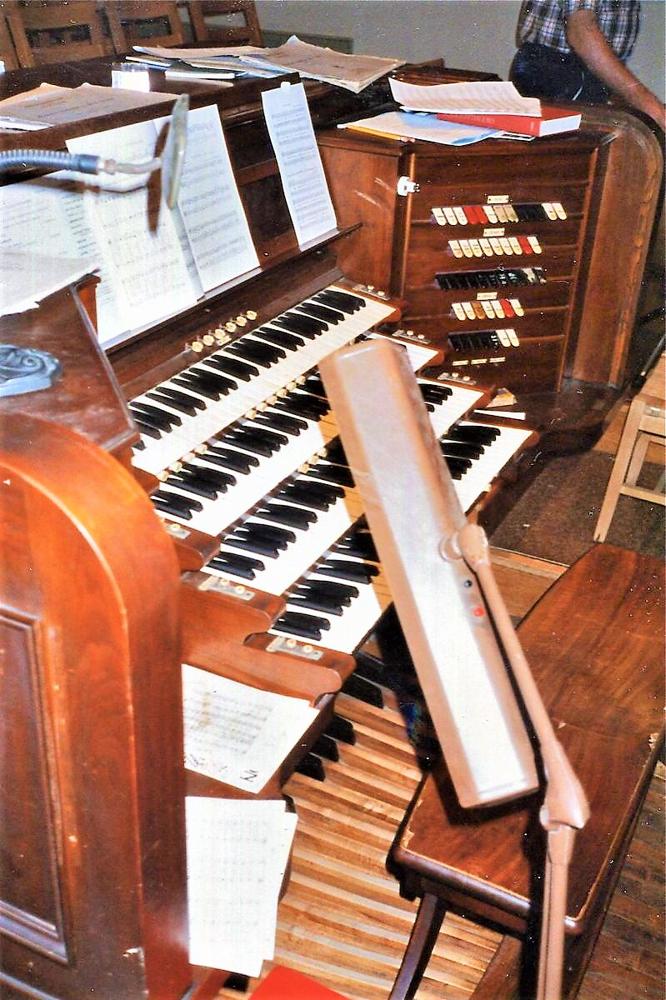
Position: Console in Fixed Position, Center
Design: Traditional With Roll Top
Pedalboard Type: Concave Radiating (Meeting AGO Standards)
Features:
4 Manuals (61 Notes)32 Note Pedal5 Divisions33 Stops44 RegistersElectrical Key ActionElectrical Stop ActionCrescendoCombination Thumb Piston(s)Coupler Toe Piston(s)Sforzando Toe Piston(s)Stop Layout: Stop Keys on Angled Jambs
Expression Type: Balanced Expression Shoes/Pedals (Meeting AGO Standards)
Combination Action: Adjustable Combination Pistons
Control System: Unknown or N/A
Something missing or not quite correct?Add ConsoleorSuggest an Edit
DETAILS
This instrument is: Not Extant and Not Playable in this location
Updated through online information from James R. Stettner. -- The FUMC Kimball was, indeed, from the Masonic Temple, Grand Consistory, in New Orleans, where it was installed in 1926; it was sold to First Methodist Church in 1947 for $12,500.
Database Manager on September 29th, 2009:
Identified through online information from Will Dunklin. -- This organ reportedly came to First Methodist from a large Masonic hall in New Orleans, but I am unable to document that. The organ sported a 4 manual console with stoptabs in angled jambs. The Solo division was never installed, so it was, in effect a 3 manual organ. The Kimball was installed at 1st Methodist, originally behind a centered pipe facade, but soon thereafter, during a major remodeling of the church interior, it was again moved, this time into chambers on the left and right. The organ and the church building were utterly lost in a fire on October 6, 2006, that was started by a lightning strike.
Related Instrument Entries: W. W. Kimball Co. (1927)
Something missing or not quite correct?Add NoteorAdd WebpageorAdd Cross ReferenceorSuggest an Edit