Kilgen Organ Co.
Opus 7696, 1955
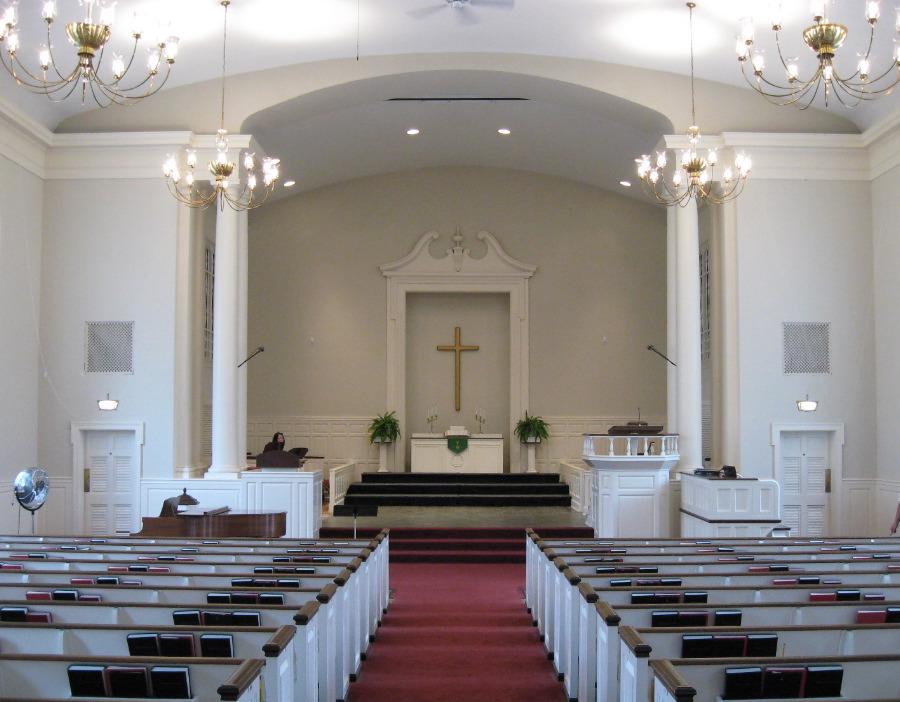
First Congregational Church
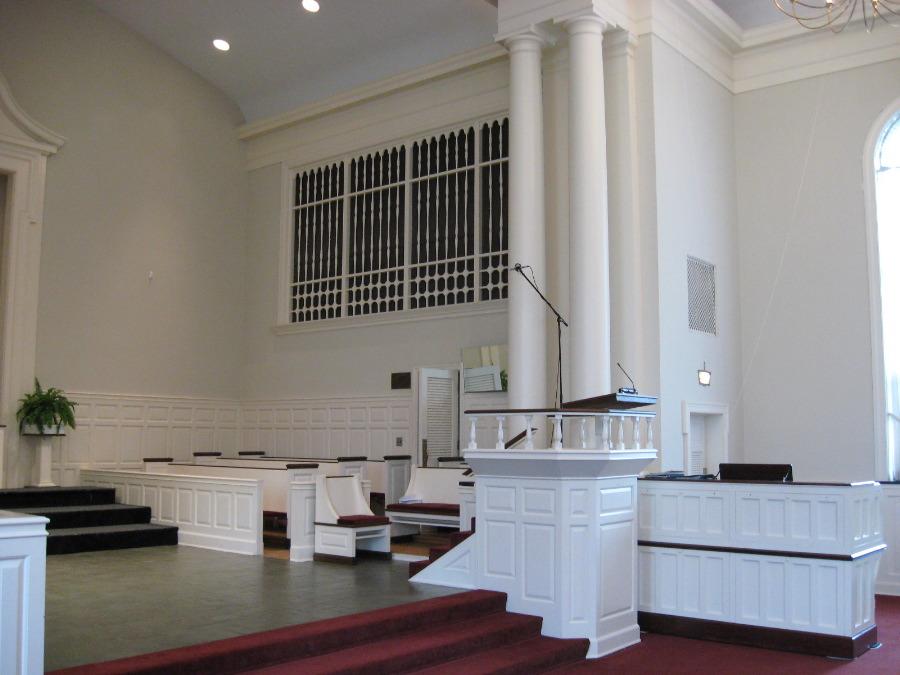
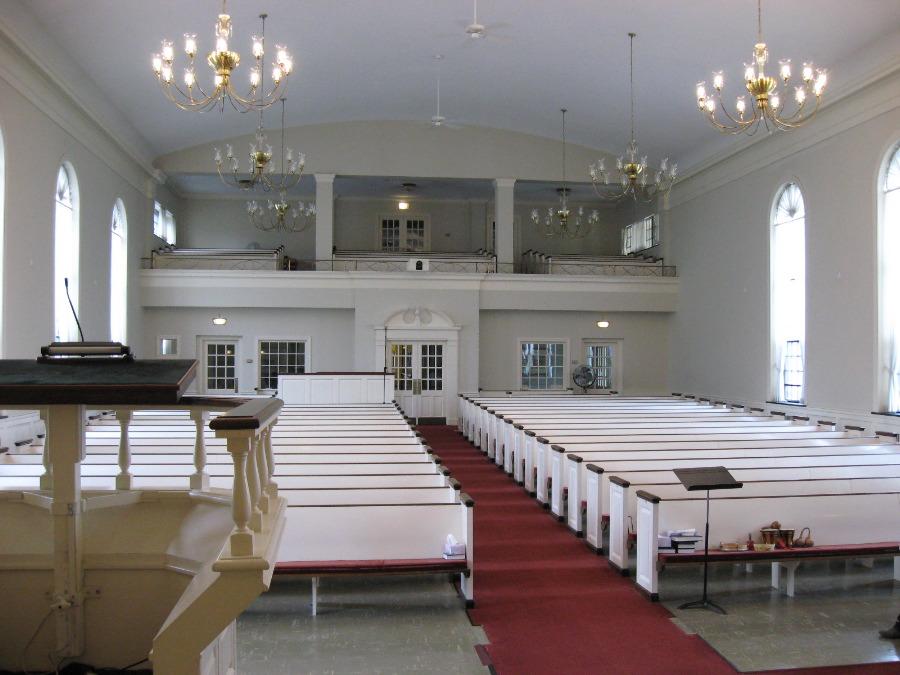
Sanctuary
1201 Jefferson Street
Muskegon, MI, US
36 Ranks - 2,348 Pipes
EXPLORE IMAGESVIEW STOPLISTSomething not quite correct?Suggest an Edit
IMAGES
Something missing or not quite correct?Add ImageorSuggest an Edit
STOPLISTS
Something missing or not quite correct?Add Stoplist
CONSOLES
Builder: Unknown
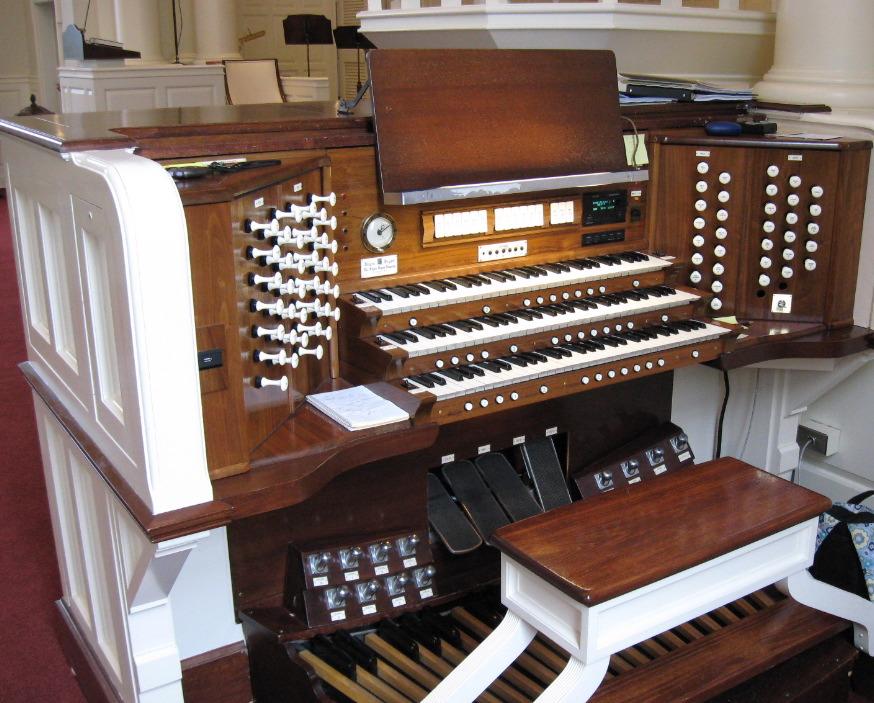
Position: Console in Fixed Position, Right
Design: Traditional With Roll Top
Pedalboard Type: Concave Radiating (Meeting AGO Standards)
Features:
3 Manuals (61 Notes)32 Note Pedal4 Divisions32 Stops54 RegistersElectrical Key ActionElectrical Stop ActionCrescendoCombination Thumb Piston(s)Coupler Toe Piston(s)Sforzando Thumb Piston(s)Sforzando Toe Piston(s)Stop Layout: Drawknobs in Vertical Rows on Angled Jambs
Expression Type: Balanced Expression Shoes/Pedals (Meeting AGO Standards)
Combination Action: Computerized/Digital
Control System: Unknown or N/A
Something missing or not quite correct?Add ConsoleorSuggest an Edit
DETAILS
This instrument is: ExtantandPlayable in this location
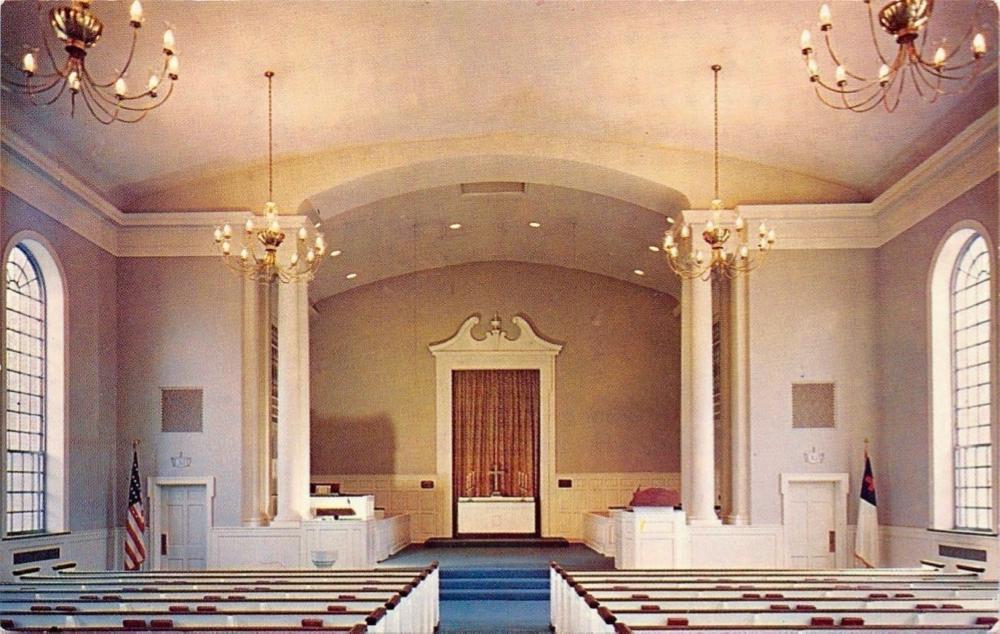
According to a vintage postcard, the console was originally located in the choir loft on the opposite side of the chancel.
Database Manager on June 20th, 2010:
Updated through online information from Chad Boorsma. -- The organ was designed by John Wheeler, church organist, in collaboration with Eugene R. Kilgen and Scott Wheeler, Michigan representative of the Kilgen company.
Database Manager on June 18th, 2010:
Identified through online information from Chad Boorsma. -- The organ console was converted to solid state with a Peterson multi-level memory system in 2008 by Bill Swem.
Something missing or not quite correct?Add NoteorAdd WebpageorAdd Cross ReferenceorSuggest an Edit