Goulding & Wood, Inc.
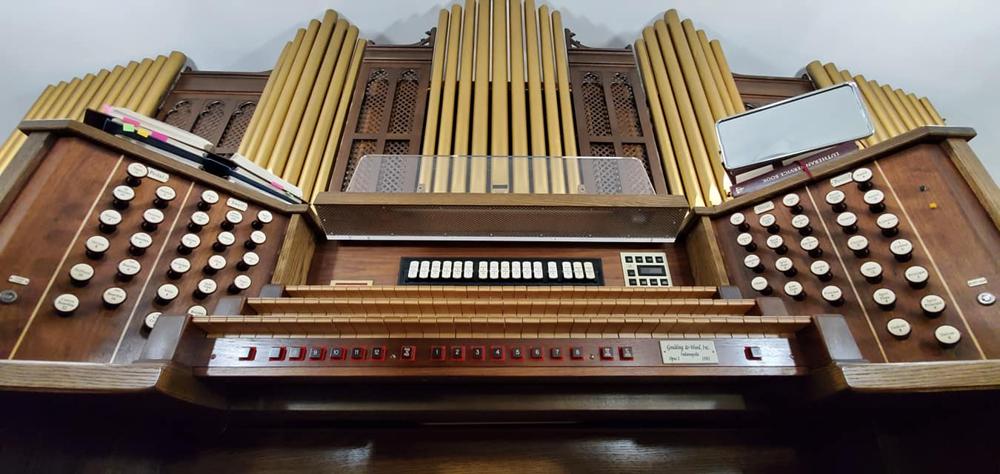
Opus 2, 1981
Originally Wangerin Organ Co. (1926)
Trinity Lutheran Church (1870)
1020 West Illinois Street
Evansville, IN, US
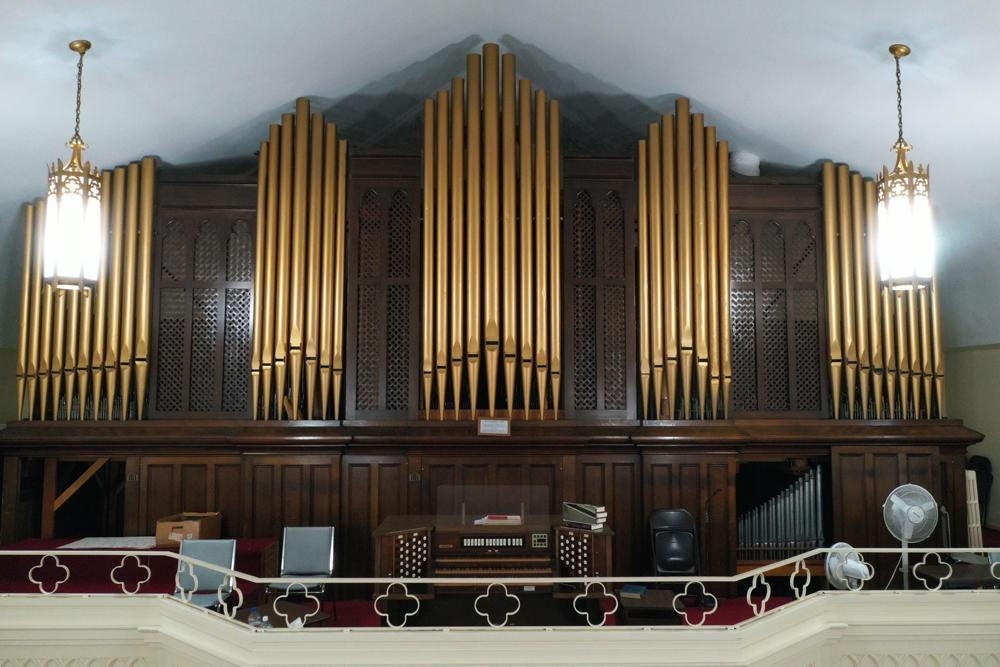
41 Ranks
Something not quite correct?Suggest an Edit
This instrument has multiple revisions:
🤝 Instrument entries in Indiana sponsored by:
We are grateful for the generous support of our sponsors, who make it possible for us to continue our mission of preserving and promoting the rich history of pipe organs across the globe.

IMAGES
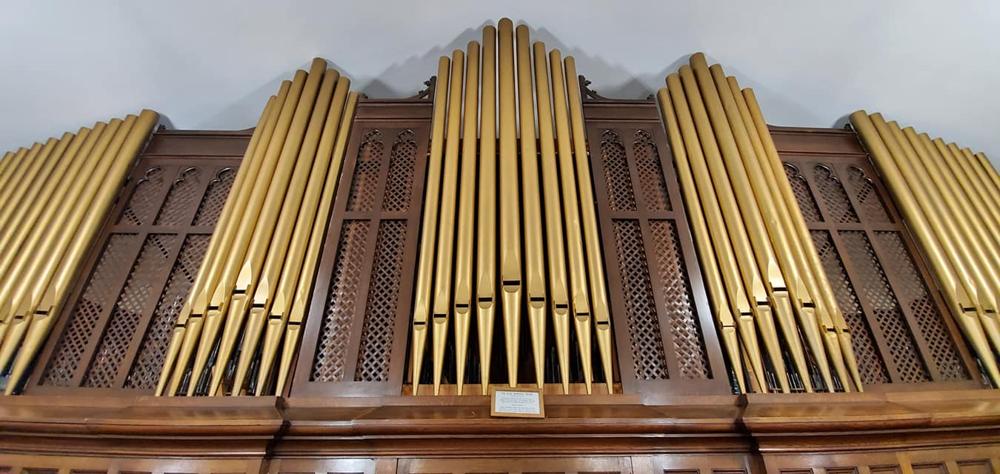
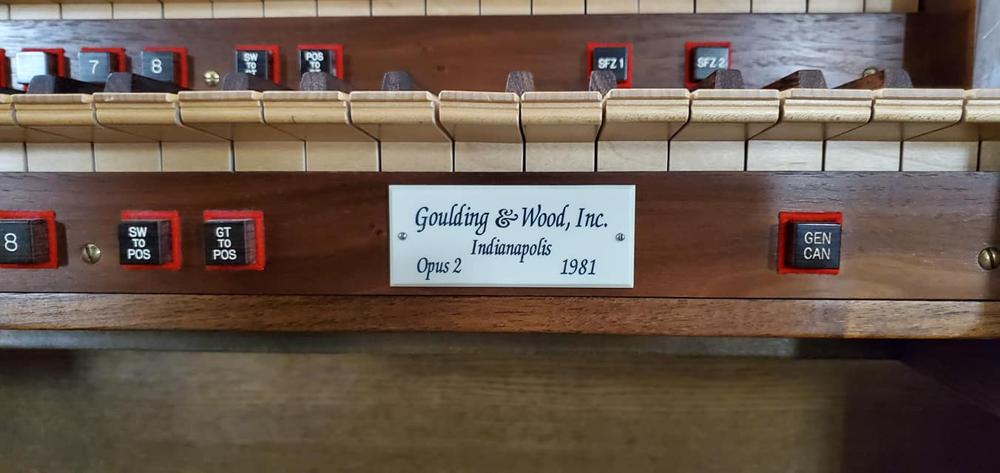
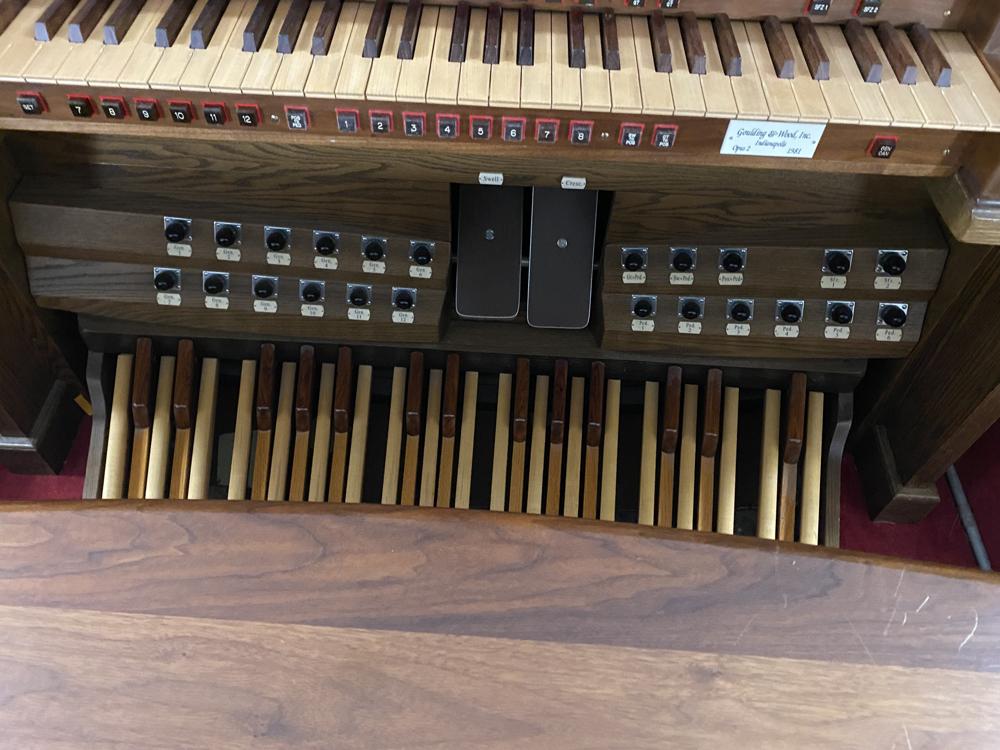
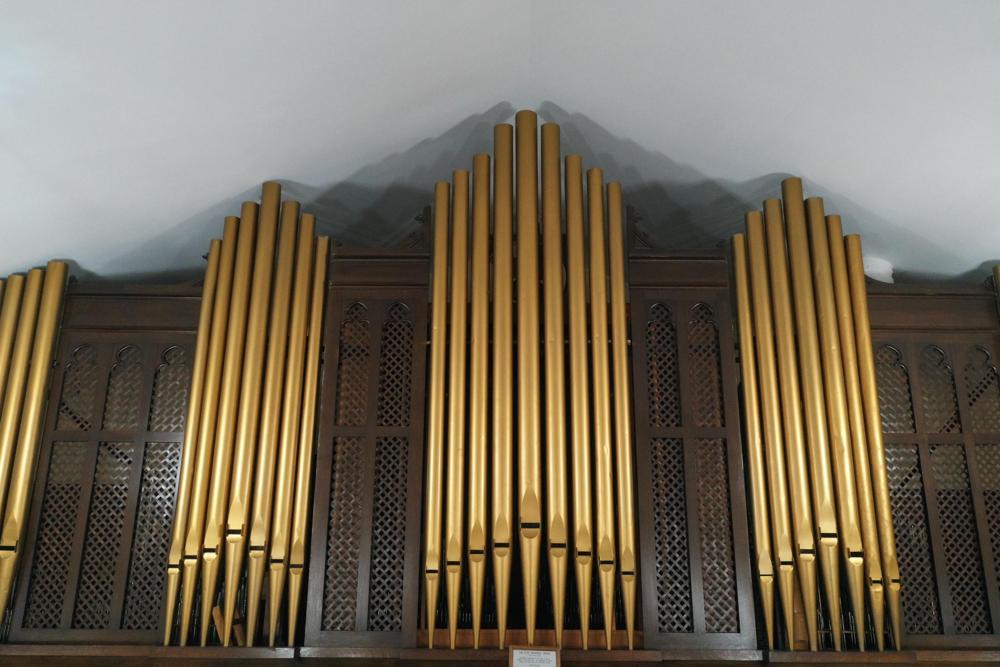
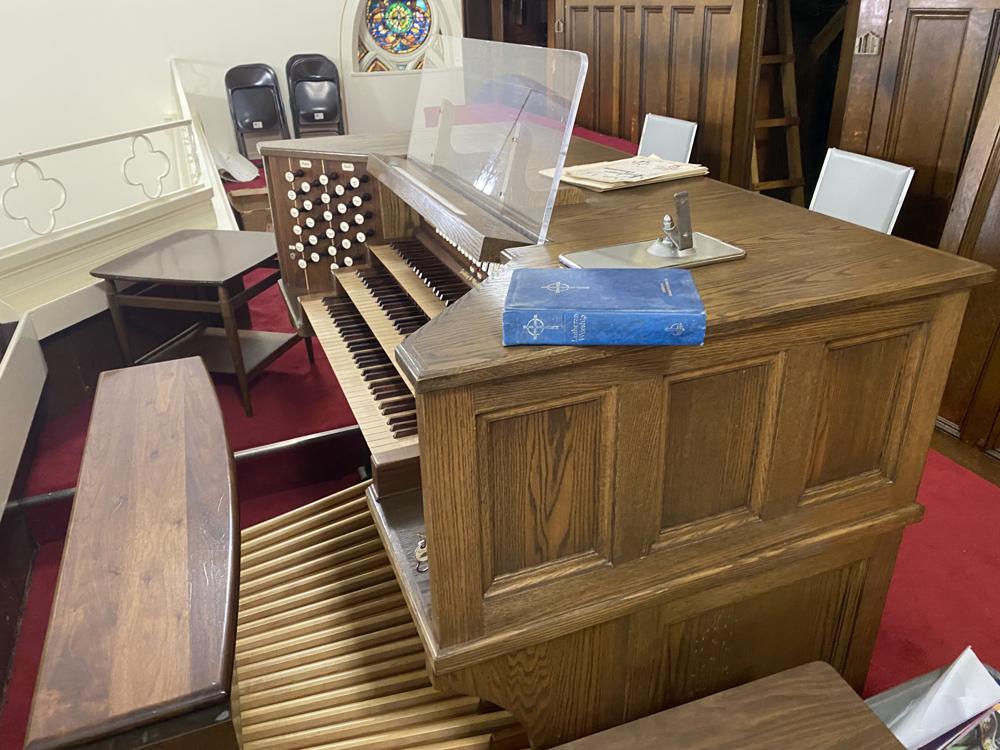
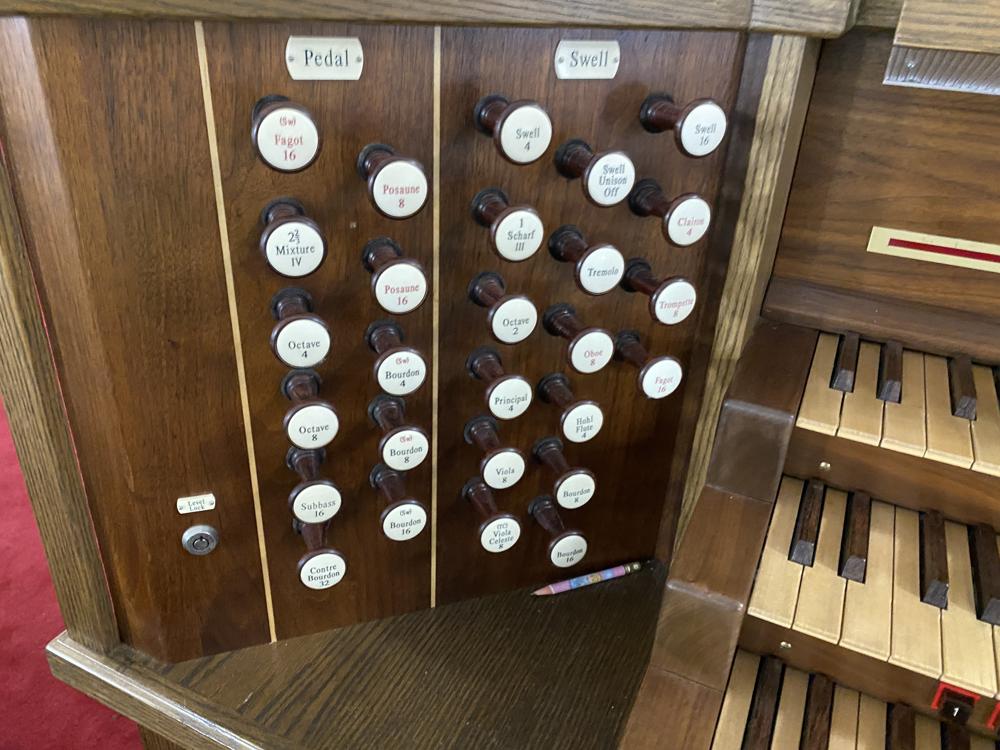
Something missing or not quite correct?Add ImageorSuggest an Edit
STOPLISTS
Something missing or not quite correct?Add Stoplist
CONSOLES
Builder: Unknown
Position: Unknown
Design: Unknown
Pedalboard Type: Unknown
Features:
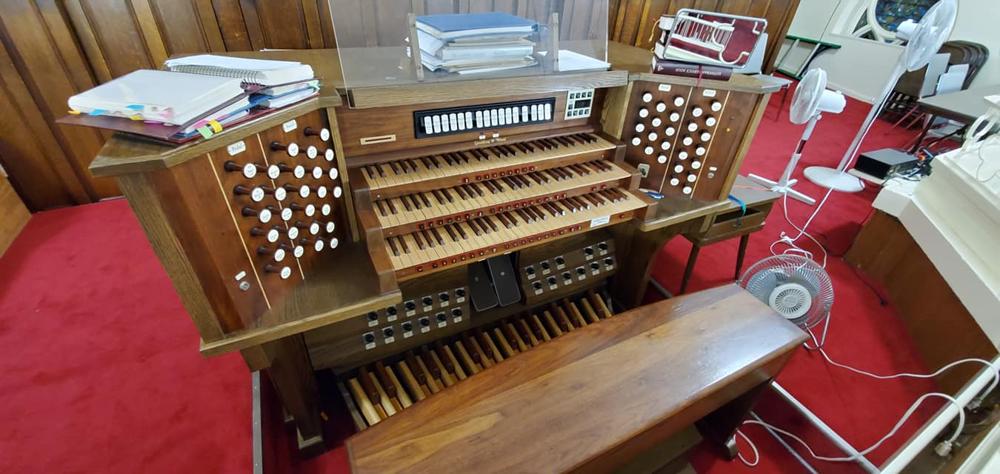
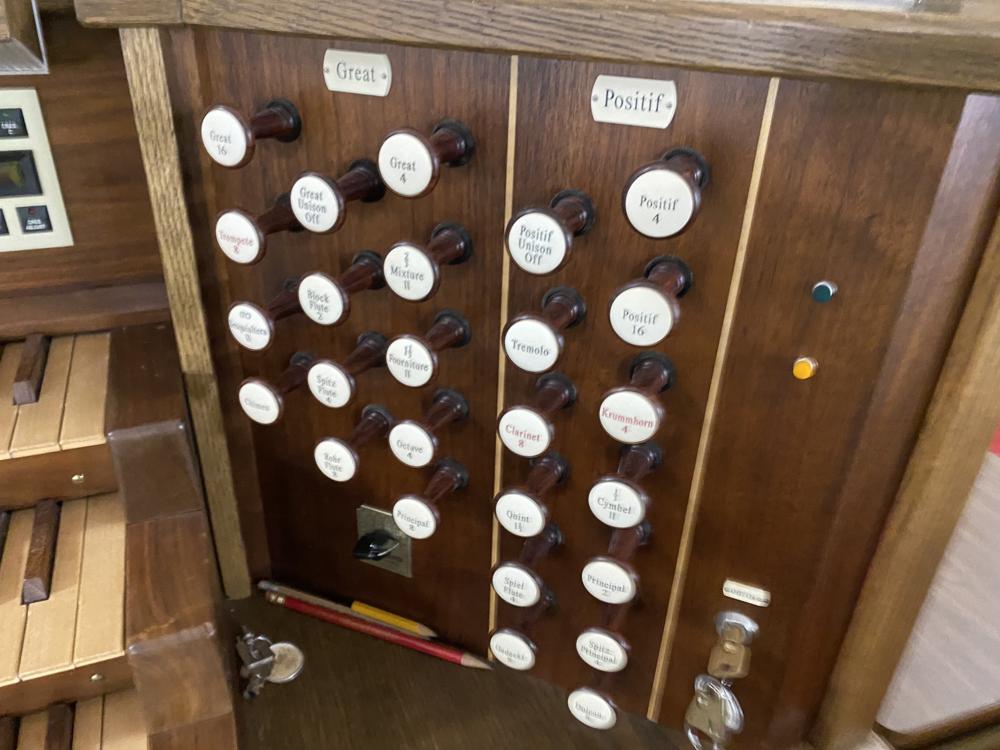
3 Manuals (61 Notes)32 Note Pedal4 Divisions32 Stops42 RegistersElectrical Key ActionElectrical Stop ActionStop Layout: Unknown
Expression Type: Unknown
Combination Action: Unknown
Control System: Unknown or N/A
Something missing or not quite correct?Add ConsoleorSuggest an Edit
DETAILS
This instrument is: Extant and Playable in this location
Lutheran and Reformed ministers first began serving the German immigrants of Evansville around the year 1838. A lot was donated to the fledgling congregation in 1839, and the first church building was dedicated on January 17, 1841. This served until 1870, when the center portion of the present brick structure was built.
A new Wangerin organ was installed in 1926 at a cost of $14,400. This was subsequently rebuilt in 1952–53 by Otto Eberle of Milwaukee at a cost of $6,500. Finally, a new electric console was installed by the John Cave Organ Company of Evansville, IN, in 1973–74 at a cost of $16,500.
Goulding and Wood were contracted to build the current organ in 1980, reusing the 1974 console and incorporating several ranks from the previous instrument. The organ was dedicated on April 25, 1982, and named the Klee Memorial Organ, in memory of former teacher Frederick Klee, who had taught in Trinity’s school from 1896 to 1920. Trinity’s 150th anniversary history indicates that the Wangerin instrument was the congregation’s first organ, but if that was a mistake and there actually was another organ in the church prior to 1926, Klee would almost certainly have served as the organist.
Source: To God Be the Glory: Trinity Lutheran Church, 1841–1991, 5, 9, 20, 33.
Paul R. Marchesano on November 20th, 2020:
It was announced in November 2020 that the congregation would disband and close at the end of the year. The fate of the building and organ are currently unknown. - Information provided by Jonathan Farnsley
Database Manager on July 31st, 2012:
Updated through online information from Connor Annable.
Database Manager on July 17th, 2012:
Identified through online information from Connor Annable.
Something missing or not quite correct?Add NoteorAdd WebpageorAdd Cross ReferenceorSuggest an Edit