A. David Moore Co., Organbuilders
2016
Originally Moritz Baumgarten Sr. (1868)
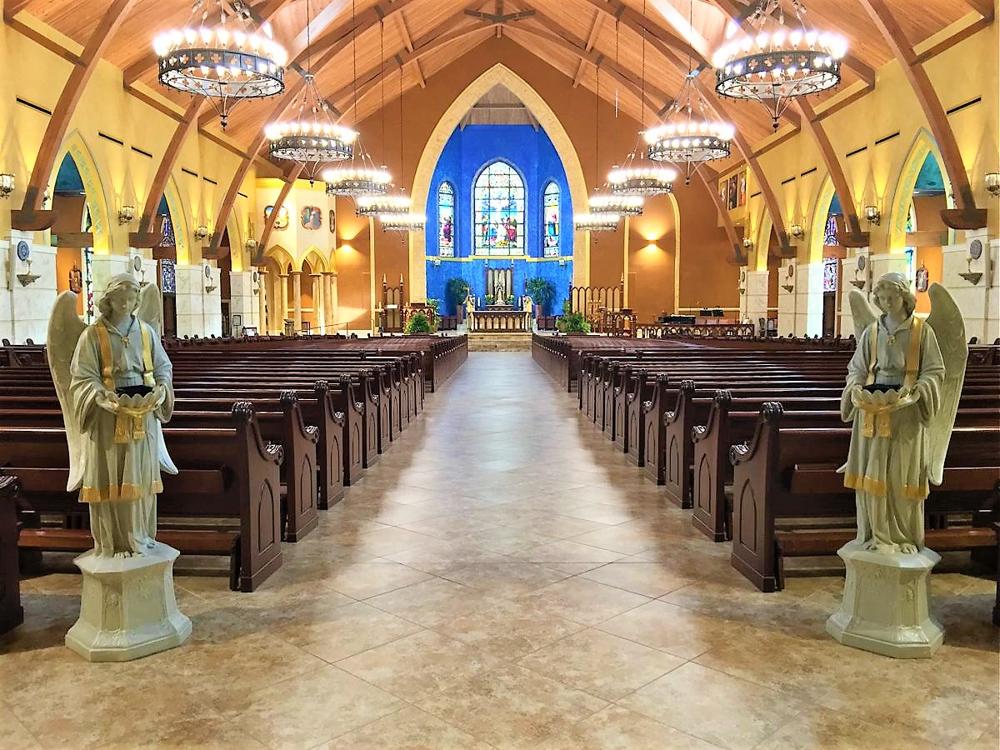
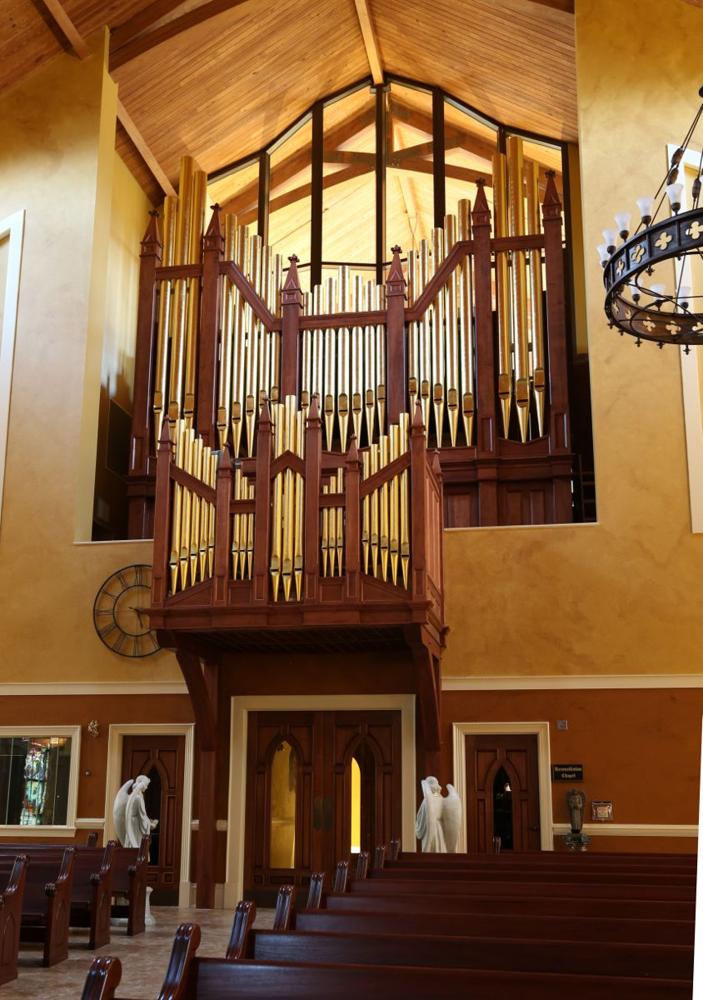
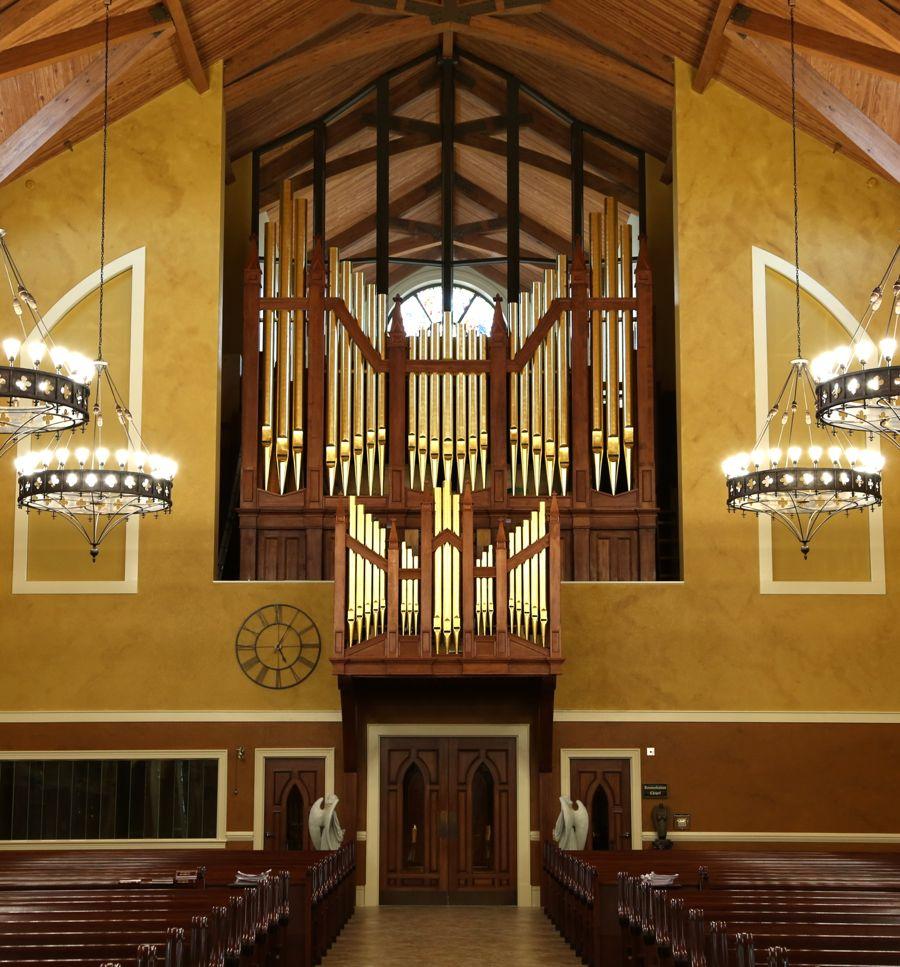
St. Paul Roman Catholic Church
Sanctuary
3131 Hyde Park Road
Pensacola, FL, US
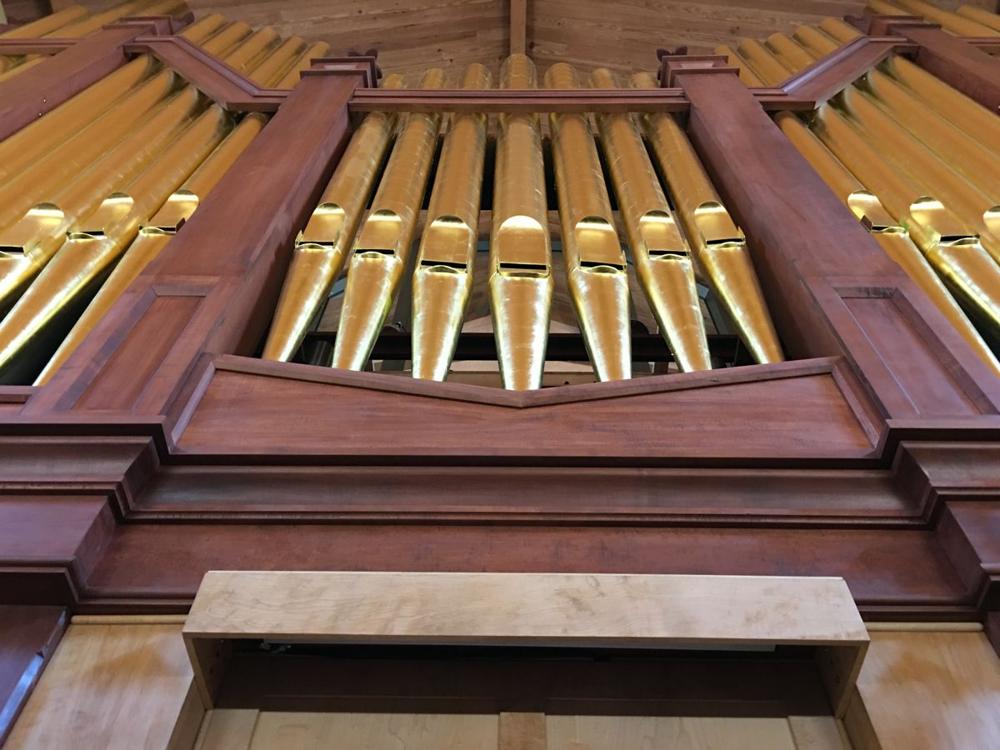
54 Ranks - 2,594 Pipes
Something not quite correct?Suggest an Edit
IMAGES
Something missing or not quite correct?Add ImageorSuggest an Edit
STOPLISTS
Something missing or not quite correct?Add Stoplist
CONSOLES
Builder: Unknown
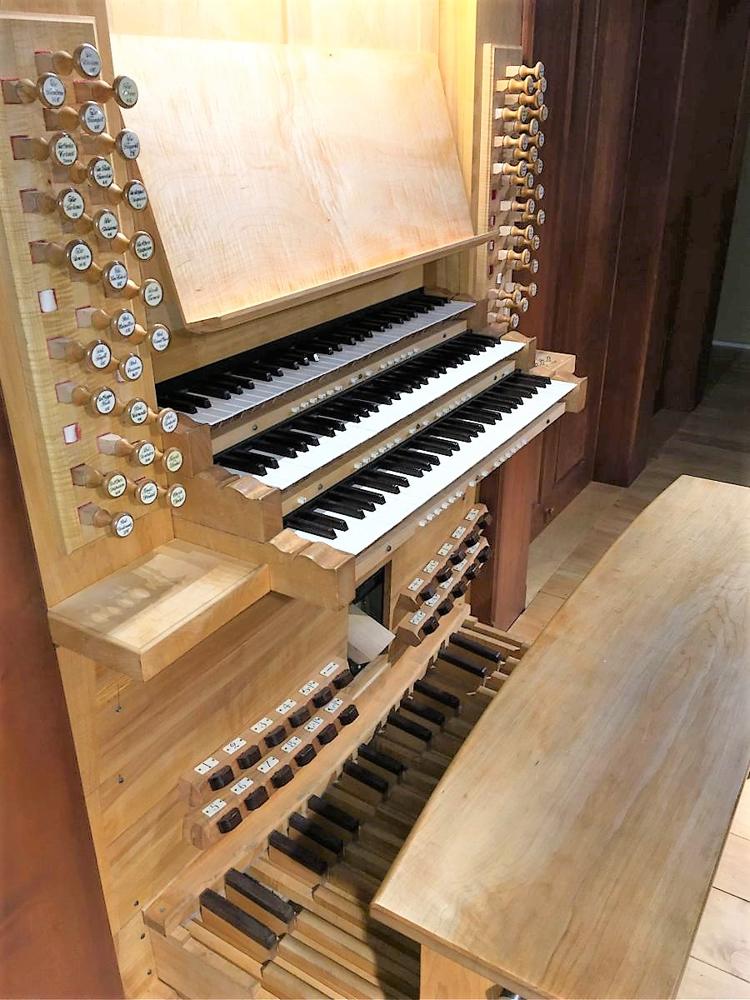
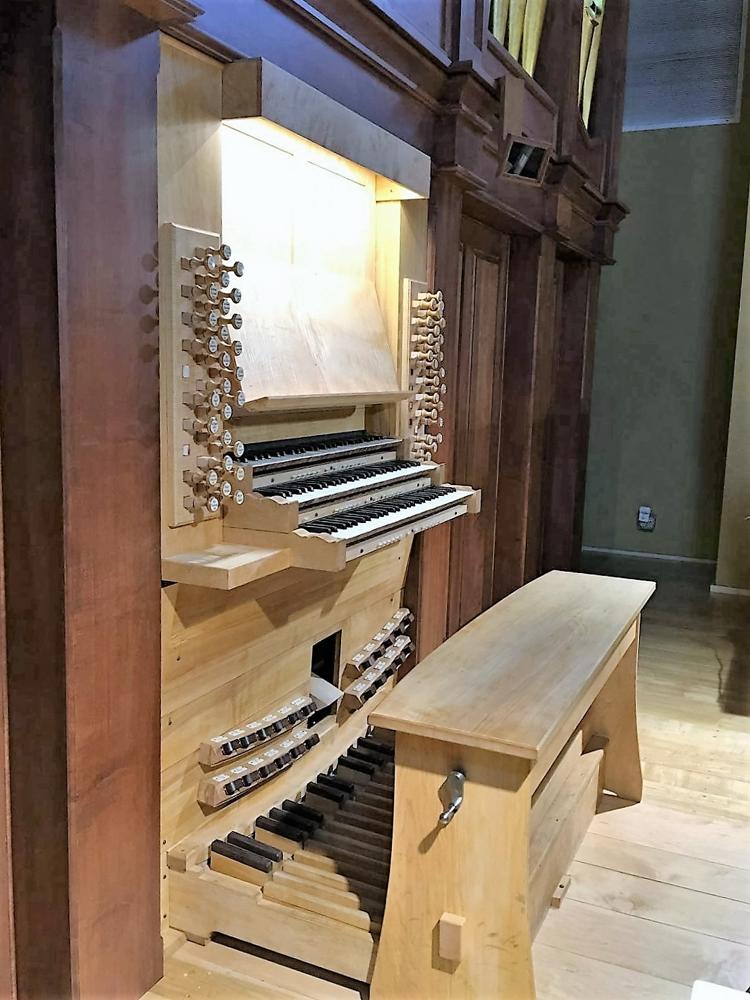
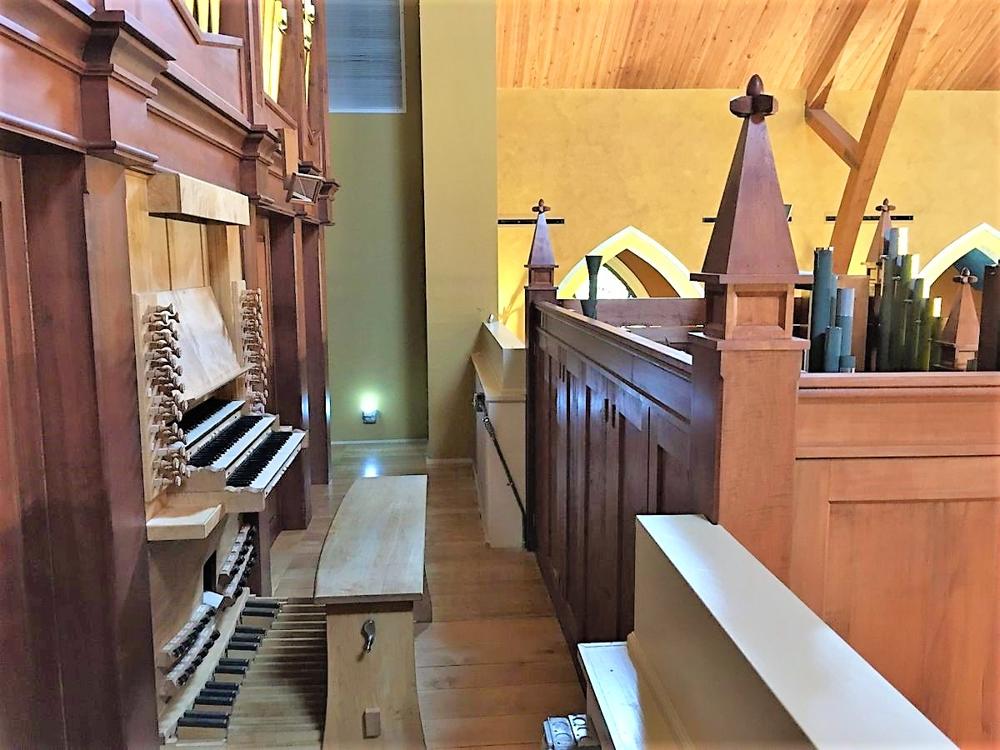
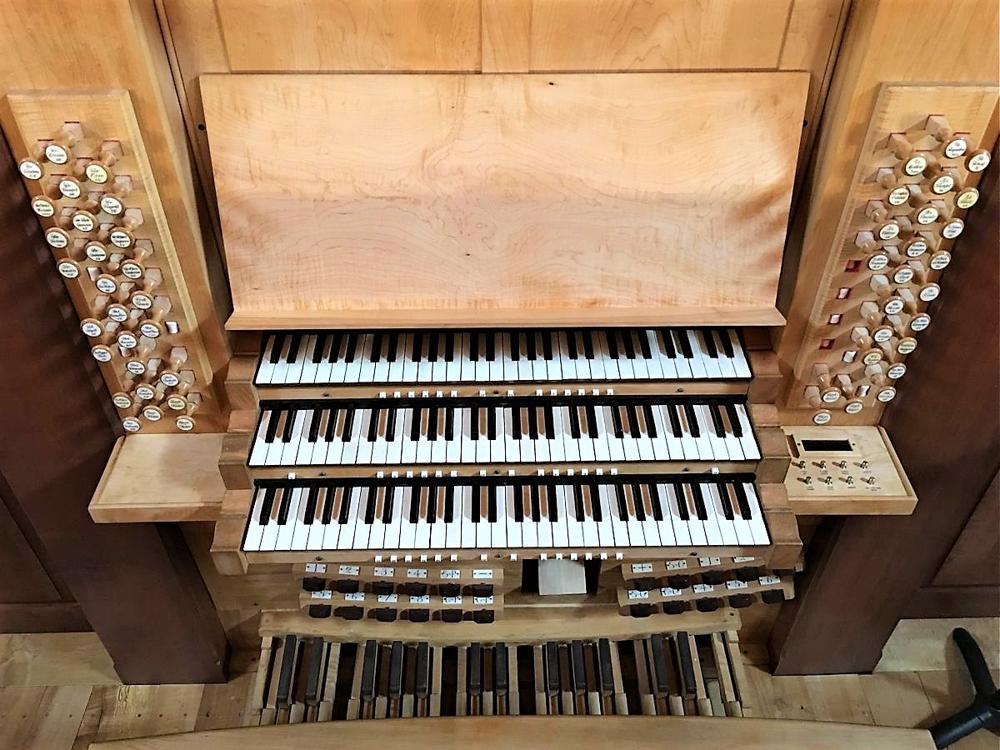
Position: Keydesk Attached
Design: Traditional Without Cover
Pedalboard Type: Concave Straight
Features:
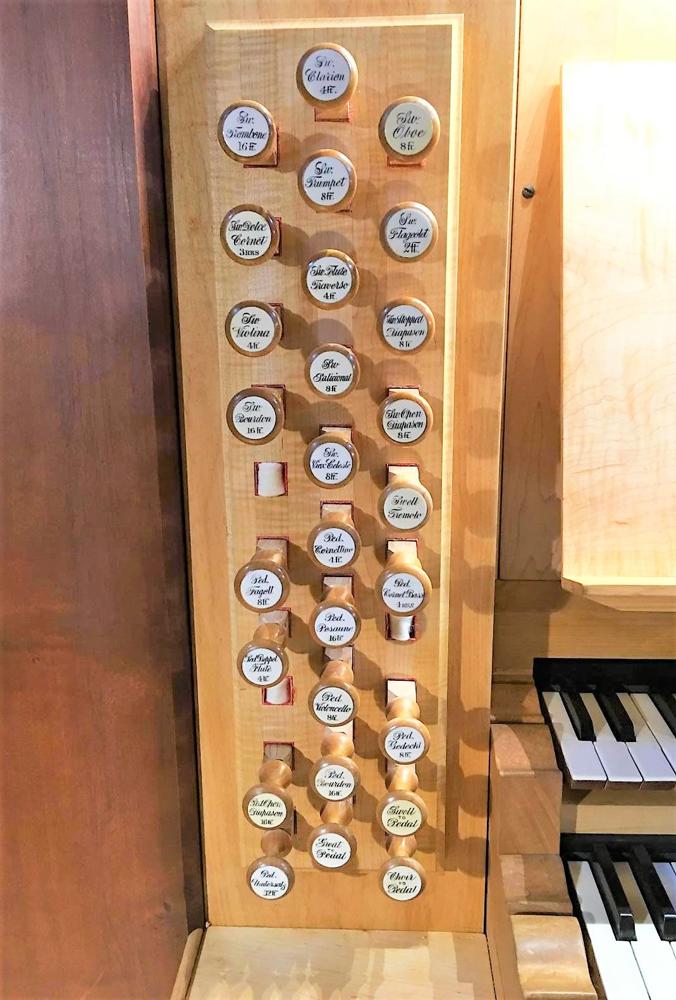
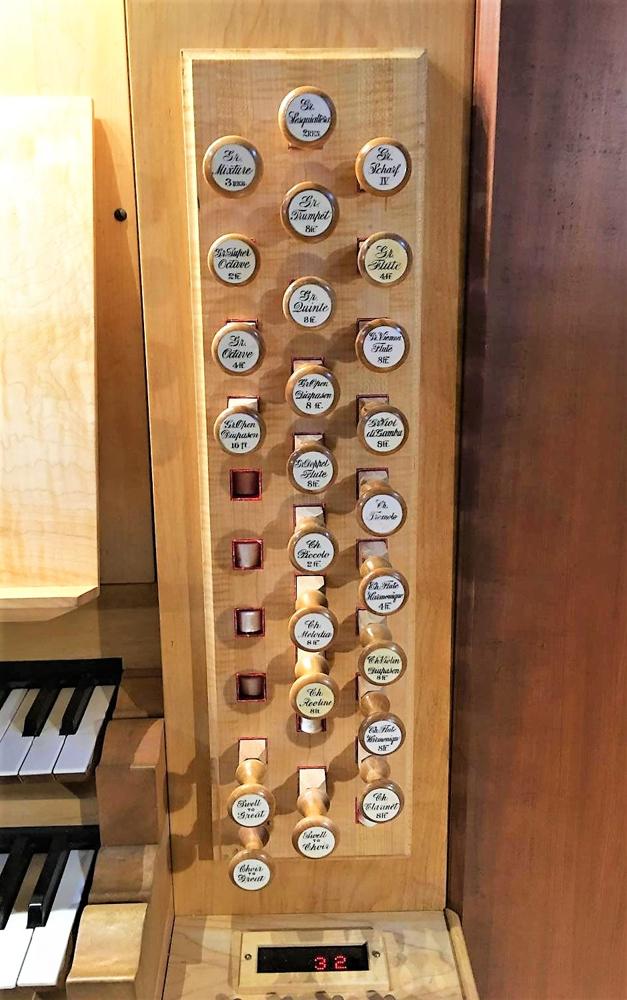
3 Manuals (58 Notes)30 Note Pedal4 Divisions51 StopsMechanical (Unknown) Key ActionMechanical Stop ActionCombination Toe Piston(s)Stop Layout: Drawknobs in Vertical Rows on Flat Jambs
Expression Type: Unknown
Combination Action: Computerized/Digital
Control System: Unknown or N/A
Something missing or not quite correct?Add ConsoleorSuggest an Edit
DETAILS
This instrument is: Extant and Playable in this location
Updated through online information from Fr. Doug Halsema.
Case and console are maple. Sliders are constructed out of quarter-sawn hardwood. Keyboard uses all bone naturals and ebony sharps from the Baumgarten Organ. Stop knobs/labels: Baumgarten originals and/or newly engraved in bone. Combination action: Sixteen general pistons placed over the three keyboards. General pistons 1-8 are duplicated by toe studs. Six divisional pistons each, for Choir, Swell, Great, and Pedal. The computer controlling the combination action is a model SK60 from Laukhuff organ supply company, Weikersheim, Germany which provides sixty memory levels. The Organ is designed for a maximum of 53 stops, not including Couplers.
Database Manager on June 24th, 2016:
Updated through online information from Stephen Hall.
Database Manager on June 13th, 2016:
Altered and relocated existing organ. Identified by Stephen Hall, based on information learned from a conversation with Tim O'Toole.
Organ originally in Universalist Church in Roxbury, Massachusetts. Moved to St. Catherine of Siena Catholic Church in Boston (Charleston), Massachusetts in 1890s. Removed from St. Catherine's by Organ Clearing House. Rebuilt and enlarged for St. Paul's Catholic Church in Pensacola, Florida by A. David Moore. Installation began in 2014, substantially completed in 2016. The organ has 44 speaking stops, 29 of them are Baumgarten.
Related Instrument Entries: Woodberry & Harris (1895) , Moritz Baumgarten Jr. / Baumgarten Organ Co. (1868)
Something missing or not quite correct?Add NoteorAdd WebpageorAdd Cross ReferenceorSuggest an Edit