Hope-Jones Organ Co.
Opus 2, 1908
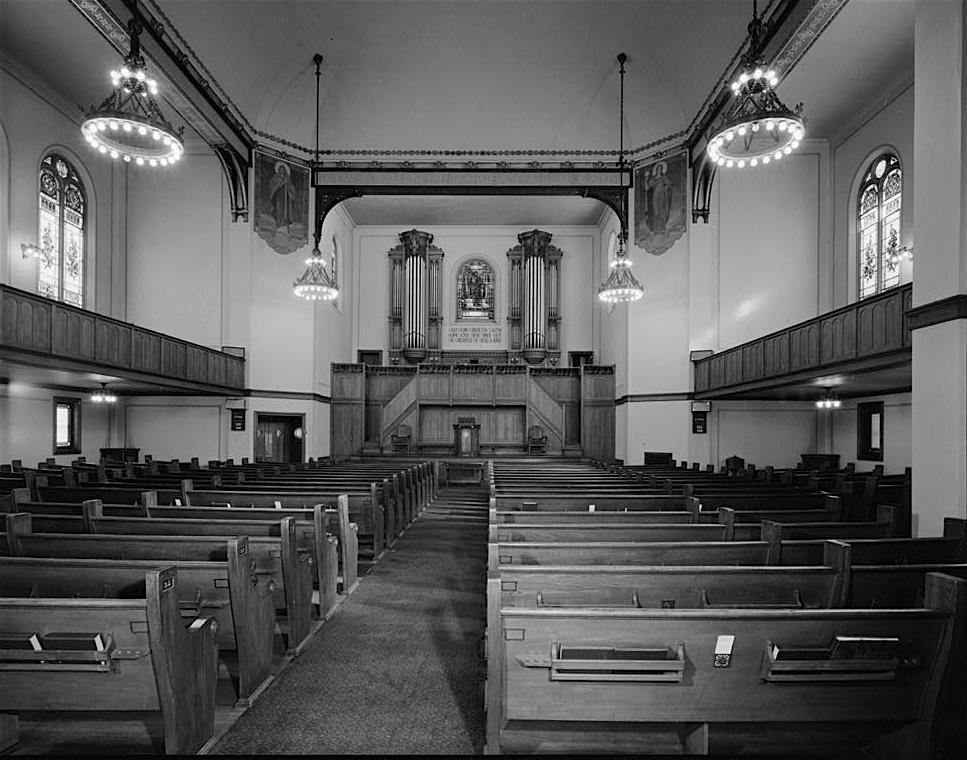
First Universalist Church
150 South Clinton Ave.
Rochester, NY, US
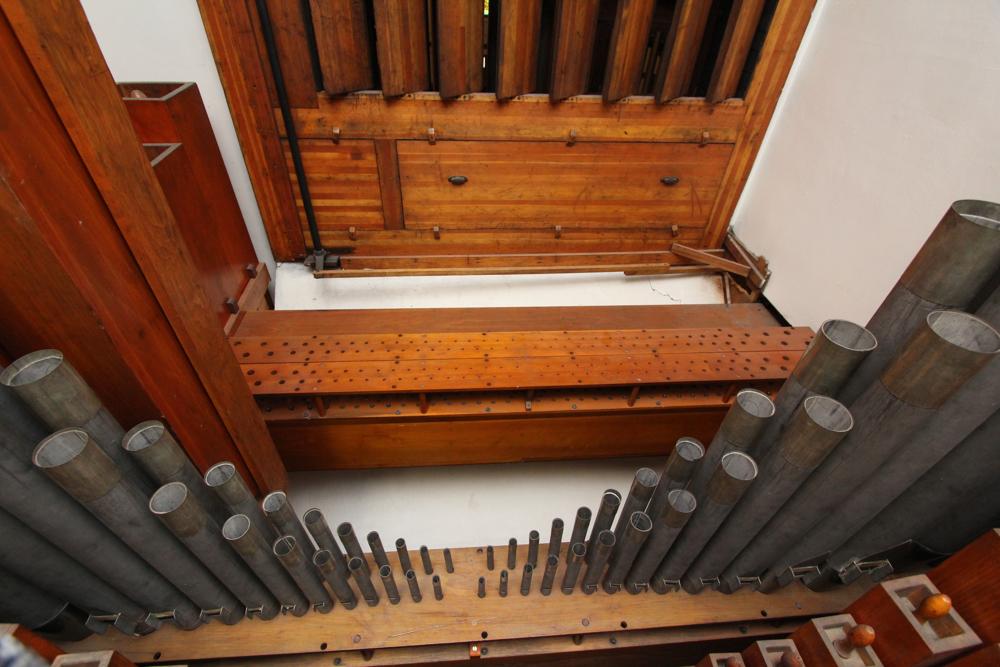
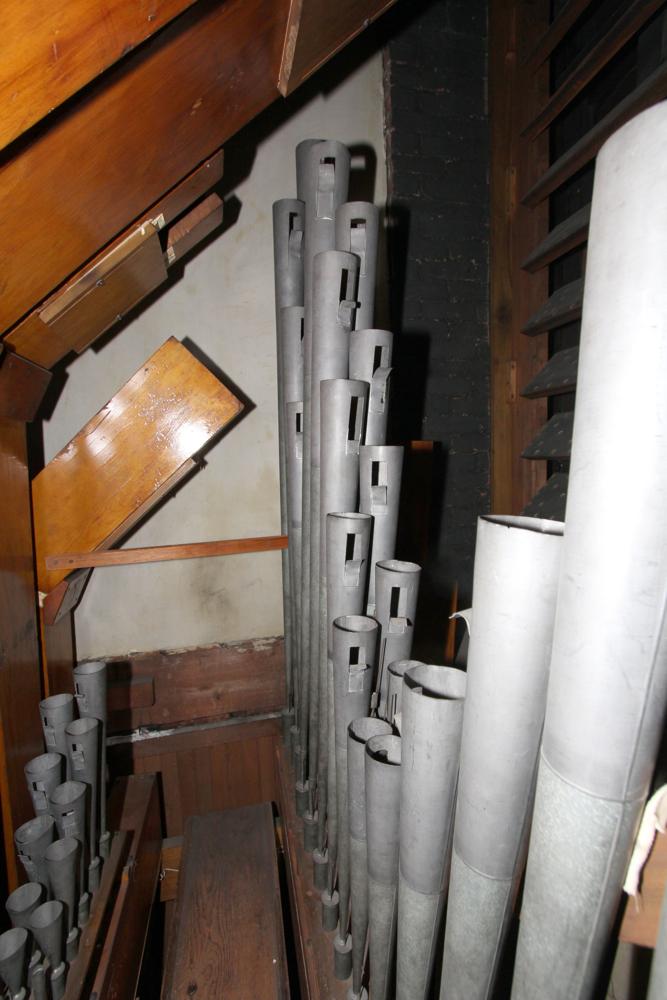
13 Ranks
EXPLORE IMAGESVIEW STOPLISTSomething not quite correct?Suggest an Edit
IMAGES
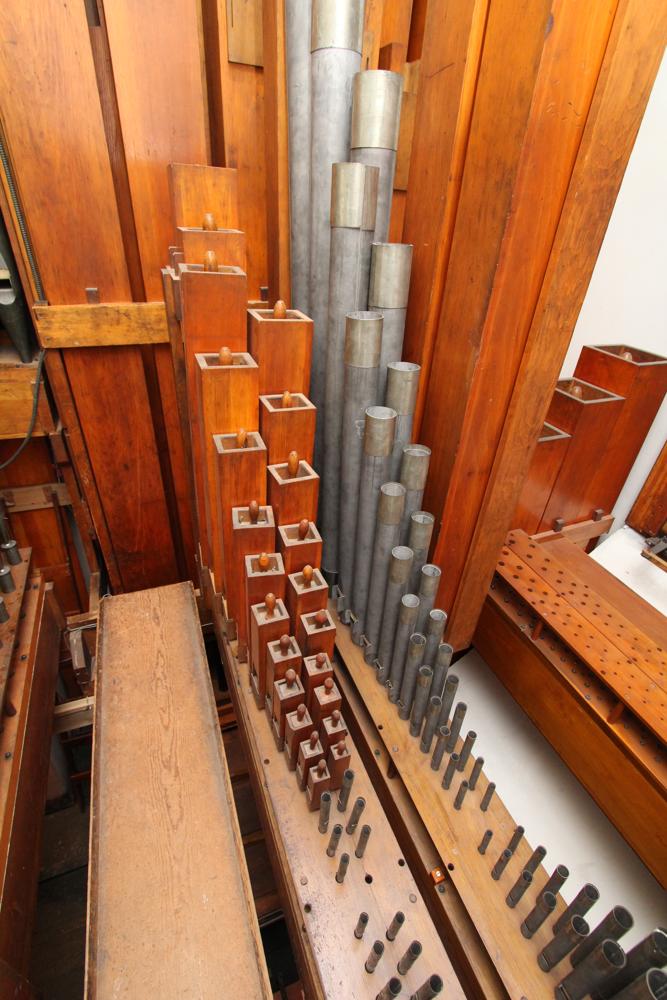
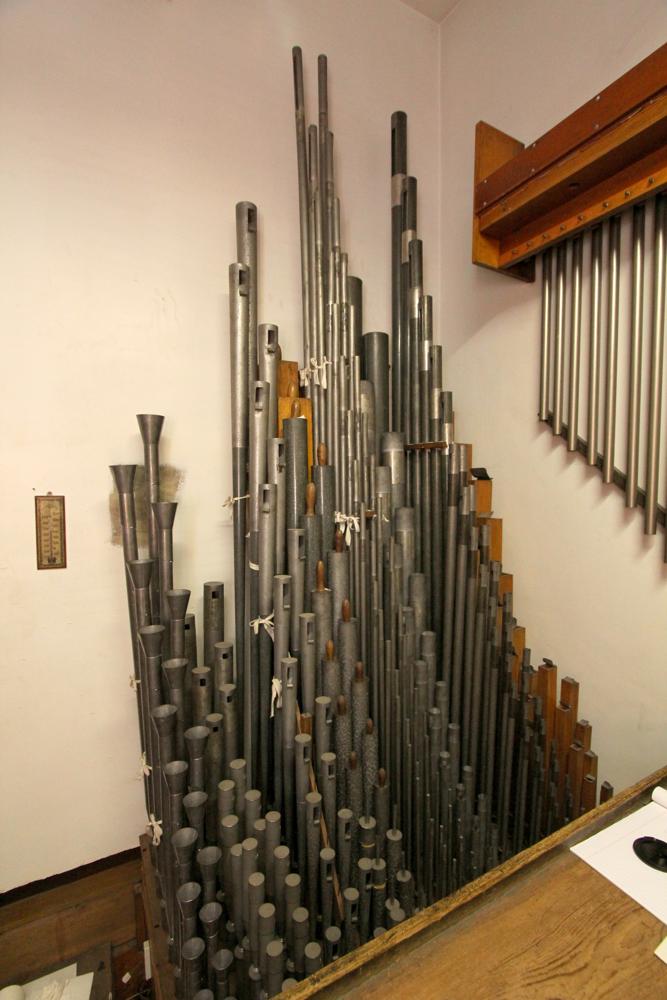
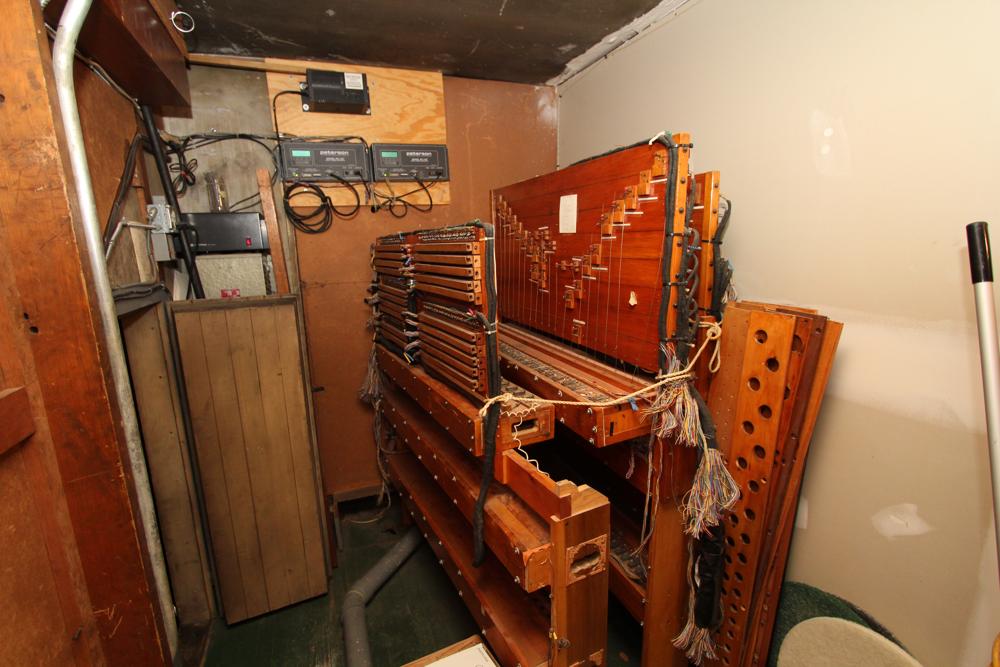
Something missing or not quite correct?Add ImageorSuggest an Edit
STOPLISTS
Something missing or not quite correct?Add Stoplist
CONSOLES
Builder: Unknown
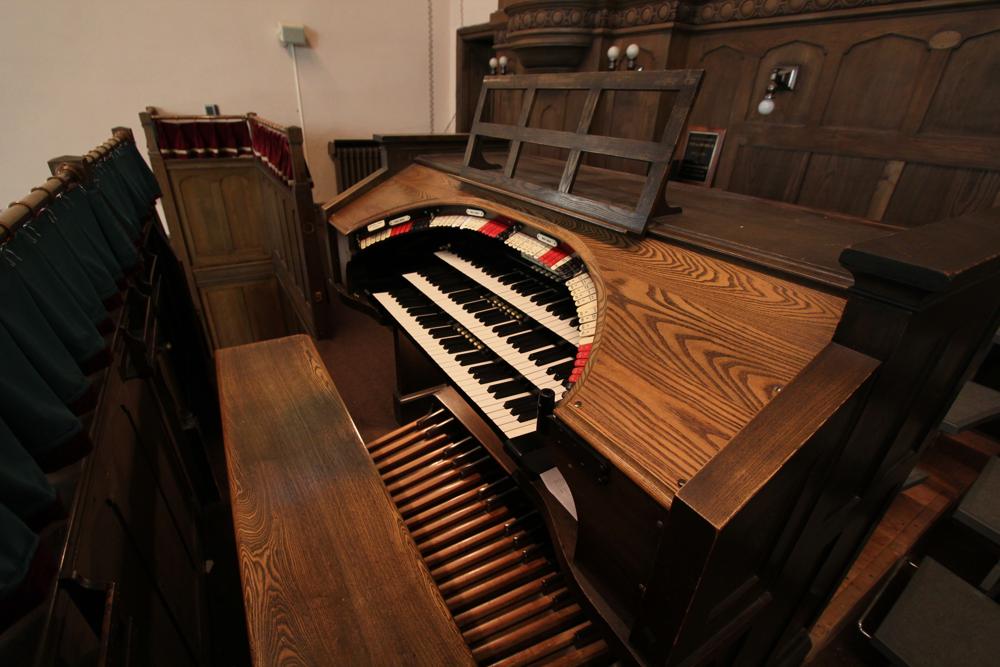
Position: Console in Fixed Position, Center
Design: Unknown
Pedalboard Type: Concave Radiating (Meeting AGO Standards)
Features:
3 Manuals (61 Notes)32 Note Pedal4 DivisionsElectrical Key ActionElectrical Stop ActionCombination Thumb Piston(s)Sforzando Toe Piston(s)Stop Layout: Stop Keys in Horseshoe Curves
Expression Type: Balanced Expression Shoes/Pedals (Meeting AGO Standards)
Combination Action: Setterboard
Control System: Unknown or N/A
Something missing or not quite correct?Add ConsoleorSuggest an Edit
DETAILS
Exhibited in the 2018 OHS convention(s)
This instrument is: ExtantandPlayable in this location
Updated through online information from Charles Courtsal (October 15, 2024): A 25-year process to have a Rochester musical landmark recognized has finally been completed. I had just started taking beginning-level pipe organ lessons at the Eastman Community Music School (ECMS) with Stephen Kennedy when I noticed that the Organ Historical Society (OHS) Convention was being held in Rochester in 2019. Out of curiosity, I visited the OHS website and wondered if the organ at my church, the First Universalist Church of Rochester, was listed as a Historic Organ. I found our Hope - Jones Opus 2 organ listed with the following caveat: “The organ is the largest Hope-Jones instrument extant in the United States, and perhaps the most unaltered of his instruments remaining, in the world. It was nominated for an OHS Historic Organ Citation in 1994 in order to help stave off under-budgeted work by an unqualified builder. However, before the plaque could be presented, the builder proceeded with the project which so severely compromised the organ that the plaque was never presented. In recent years, restorative repairs have been made as funds permit, and the OHS Citation is still active, with a formal presentation pending a return of this historic instrument to a condition commensurate with its historic status. (May 5, 2013)” Could this be true? My congregation’s organ had only been partially recognized? I was playing this organ five times a week, and I was impressed by its beauty every time. What could be holding up the process ? So, I contacted the OHS in September 2019 and was put in contact with the Chair of the Historic Awards Committee, Steuart Goodwin. He responded in this way: “It is good to hear from you regarding the historic Hope-Jones organ in Rochester. I see that citation number 139 is from 1994. To hold up presentation of a certificate for 25 years is highly unusual, to say the least! “ So, we started a conversation and traded many documents, photos and specifications to convince the Awards Committee that the Hope - Jones was ready for its award. On November 21, 2019, I got this message back from Steuart Goodwin: I have good news! The committee has voted to have the certificate printed and framed. This has to be a record for the time between granting an award and sending the printed plaque. Because of the rarity of this Hope-Jones and its influence in Wurlitzer’s development of the theatre organ, I am going to give it the “Landmark of Organ Building” designation. This is the first organ to receive this category since I have been chair of the awards committee. (All the others have been given the “National Heritage Pipe Organ” designation.)
Database Manager on May 5th, 2013:
Updated through online information from Scot Huntington. -- The organ was dedicated by Edwin Lemare on Oct. 6, 1908, in spite of last minute sabotage inflicted on the instrument. The subject of ridicule by local musicians for many years, in 1929 the organ began to be broadcast over WHAM by the noted British cathedral organist Thomas Grierson, who had emigrated to Rochester – broadcasts which continued until his retirement in 1947. The organ was rediscovered as an instrument capable of great beauty in the right hands, and the broadcasts of organ, choir and soloists were extremely popular.
The organ was altered slightly by the Wurlitzer Company in 1937 with the addition of Chimes, the possible alteration/revoicing of the Cornopean, and the enclosure of two unenclosed ranks – work made possible by a substantial anonymous gift as a memorial to the church's chairwoman. The organ is the largest Hope-Jones instrument extant in the United States, and perhaps the most unaltered of his instruments remaining, in the world. It was nominated for an OHS Historic Organ Citation in 1994 in order to help stave off under-budgeted work by an unqualified builder. However, before the plaque could be presented, the builder proceeded with the project which so severely compromised the organ that the plaque was never presented.
In recent years, restorative repairs have been made as funds permit, and the OHS Citation is still active, with a formal presentation pending a return of this historic instrument to a condition commensurate with its historic status.
Database Manager on May 30th, 2011:
Updated through online information from Paul Marchesano.
Database Manager on October 30th, 2004:
Status Note: There 1990
Related Instrument Entries: The Rudolph Wurlitzer Co. (Opus 2215, 1937)
Something missing or not quite correct?Add NoteorAdd WebpageorAdd Cross ReferenceorSuggest an Edit