Casavant Frères Ltée.
Opus 1457, 2001
Originally Casavant Frères Ltée. (Opus 1457, 1932)
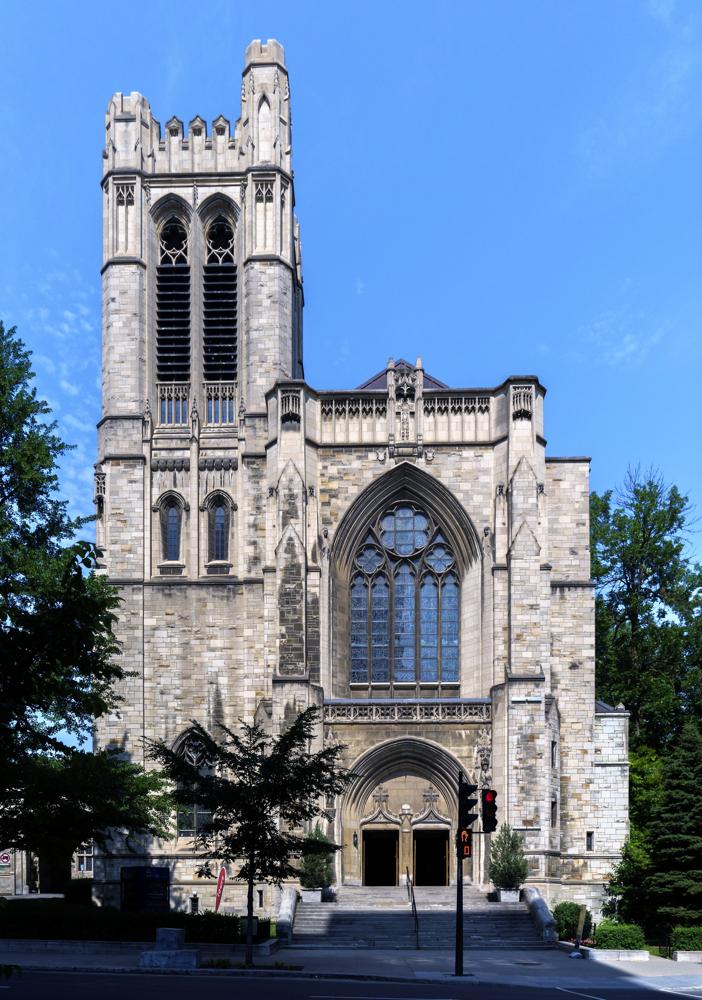
St. Andrew and St. Paul Church, Presbyterian
3415 Redpath Street
Montréal, QC, CA
110 Ranks
EXPLORE IMAGESVIEW STOPLISTSomething not quite correct?Suggest an Edit
This instrument has multiple revisions:
IMAGES
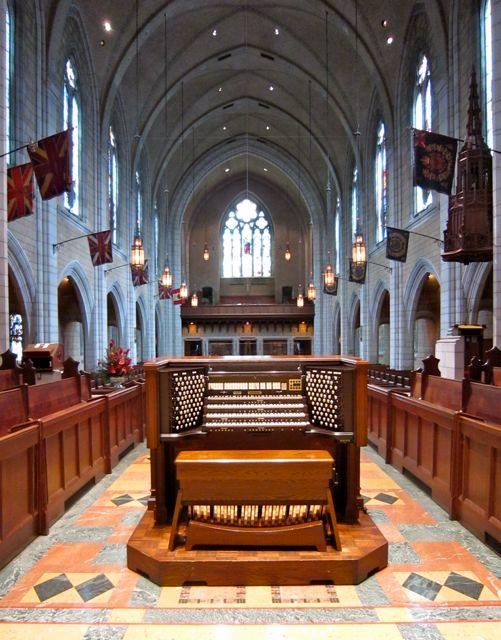
Something missing or not quite correct?Add ImageorSuggest an Edit
STOPLISTS
Something missing or not quite correct?Add Stoplist
CONSOLES
Builder: Unknown
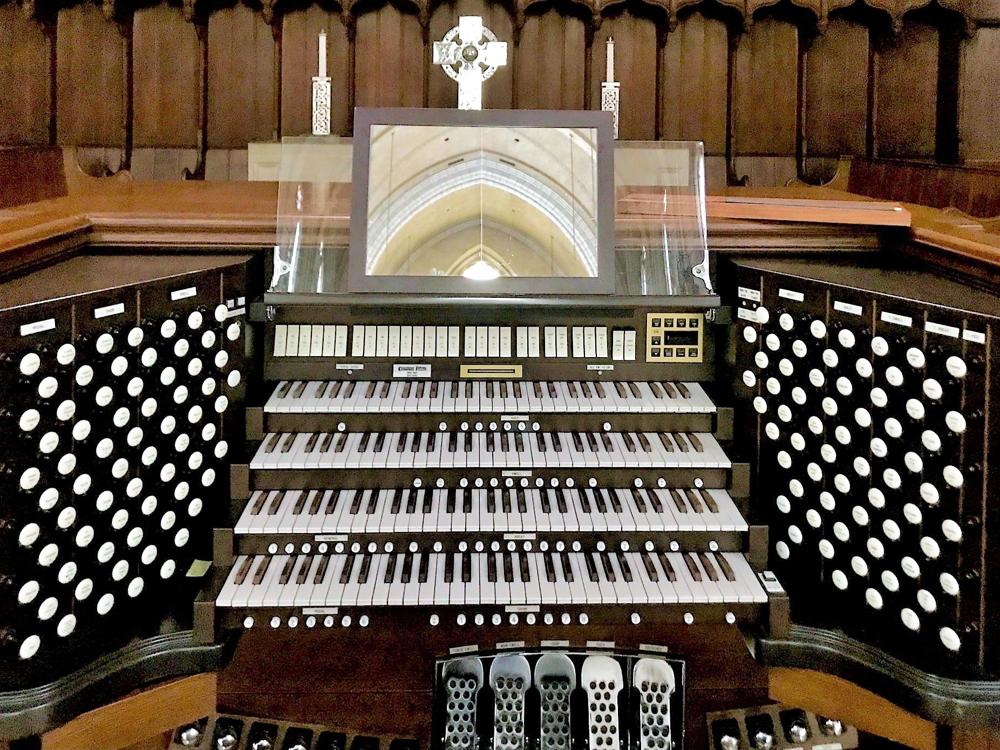
Position: Movable Console
Design: Traditional With Roll Top
Pedalboard Type: Concave Radiating (Meeting AGO Standards)
Features:
4 Manuals (61 Notes)32 Note Pedal8 Divisions87 Stops96 RegistersElectrical Key ActionElectrical Stop ActionCrescendoSequencerCombination Thumb Piston(s)Combination Toe Piston(s)Sforzando Thumb Piston(s)Sforzando Toe Piston(s)Stop Layout: Drawknobs in Vertical Rows on Angled Jambs
Expression Type: Balanced Expression Shoes/Pedals (Meeting AGO Standards)
Combination Action: Computerized/Digital
Control System: Unknown or N/A
Something missing or not quite correct?Add ConsoleorSuggest an Edit
DETAILS
This instrument is: ExtantandPlayable in this location
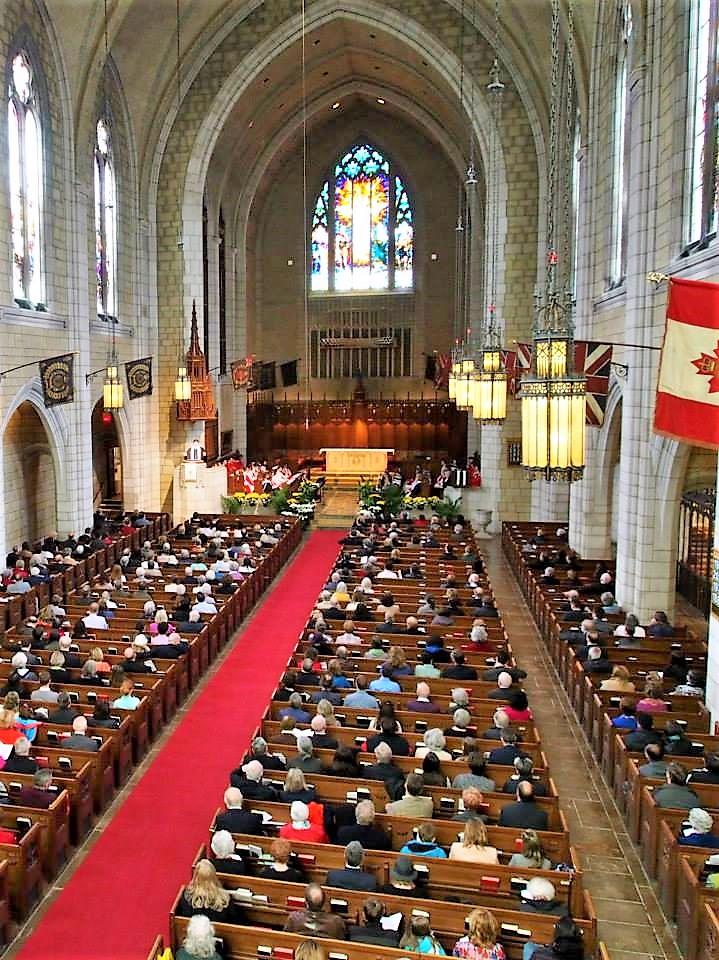
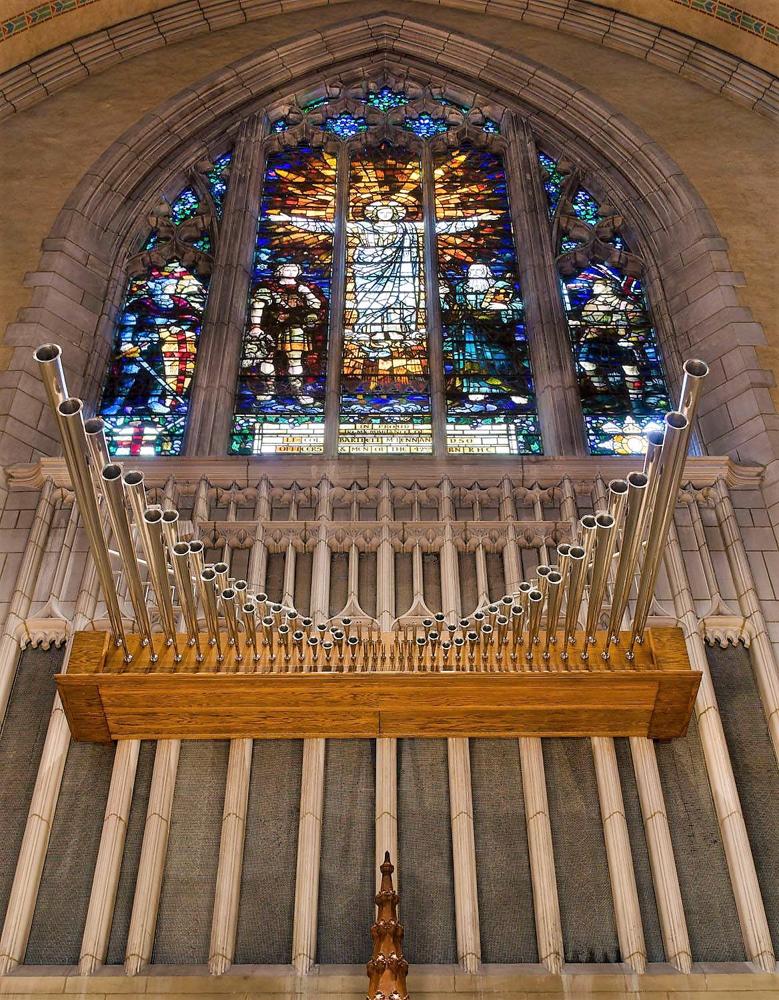
From the church website: The organ of the Church of St. Andrew and St. Paul was built in 1931 by the renowned Casavant Frères of Ste. Hyacinthe, as that firm’s opus #1457. It is one of the largest instruments on the island of Montreal, containing nearly 7,000 pipes. About 70% of the pipes are located in the chancel; the other pipes speak from the rear gallery. Only the Trompette en chamade (installed in 1992) is visible, mounted prominently below the Black Watch window.
The instrument was cleaned and overhauled by Casavant in 1976-77, and several stops and a new console were added by Caron, Gagnon, Baumgarten in 1992. The tonal work of these rebuilds lent the instrument a neo-baroque flavour, but was unfortunately of uneven technical and musical quality. The console was rebuilt by Casavant in 2001. A gradual tonal renovation of the organ has been ongoing since 2010, whose goal is to replace the 1970s and 1990s-era neo-classical stops with pipework of the early 20th century, of superior material and tonal quality. Like all of the Casavant instruments built between ca. 1890 and 1960, op. 1457 was conceived in the late-Romantic Anglo-American style, and remains a monumental essay in the genre.
Something missing or not quite correct?Add NoteorAdd WebpageorAdd Cross ReferenceorSuggest an Edit