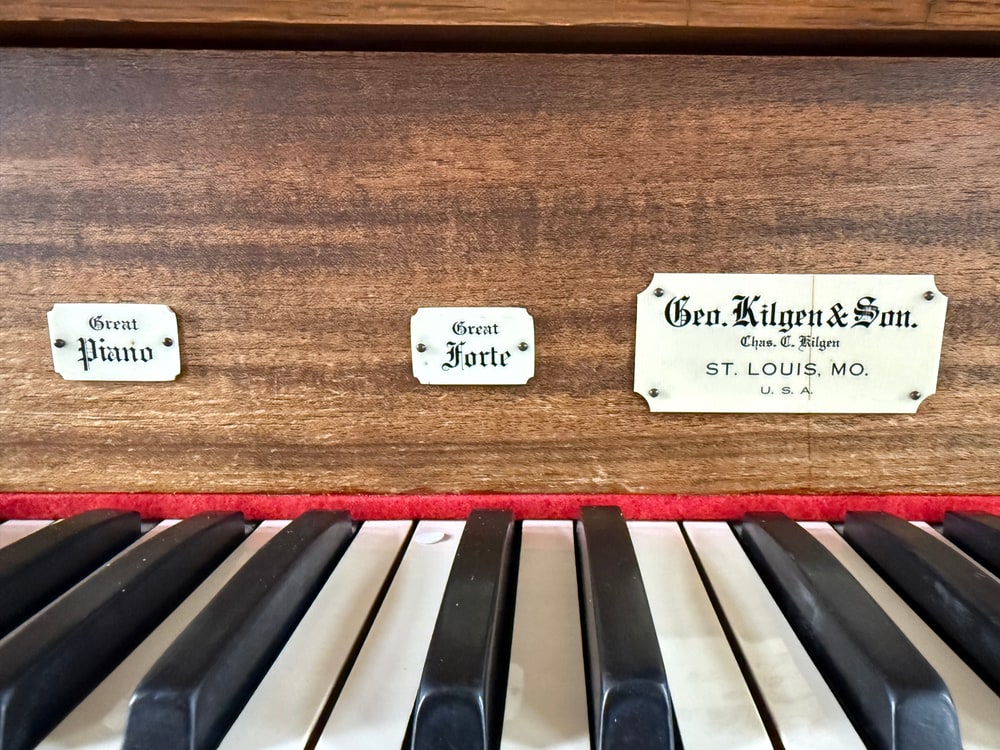
Geo. Kilgen & Son, Inc.
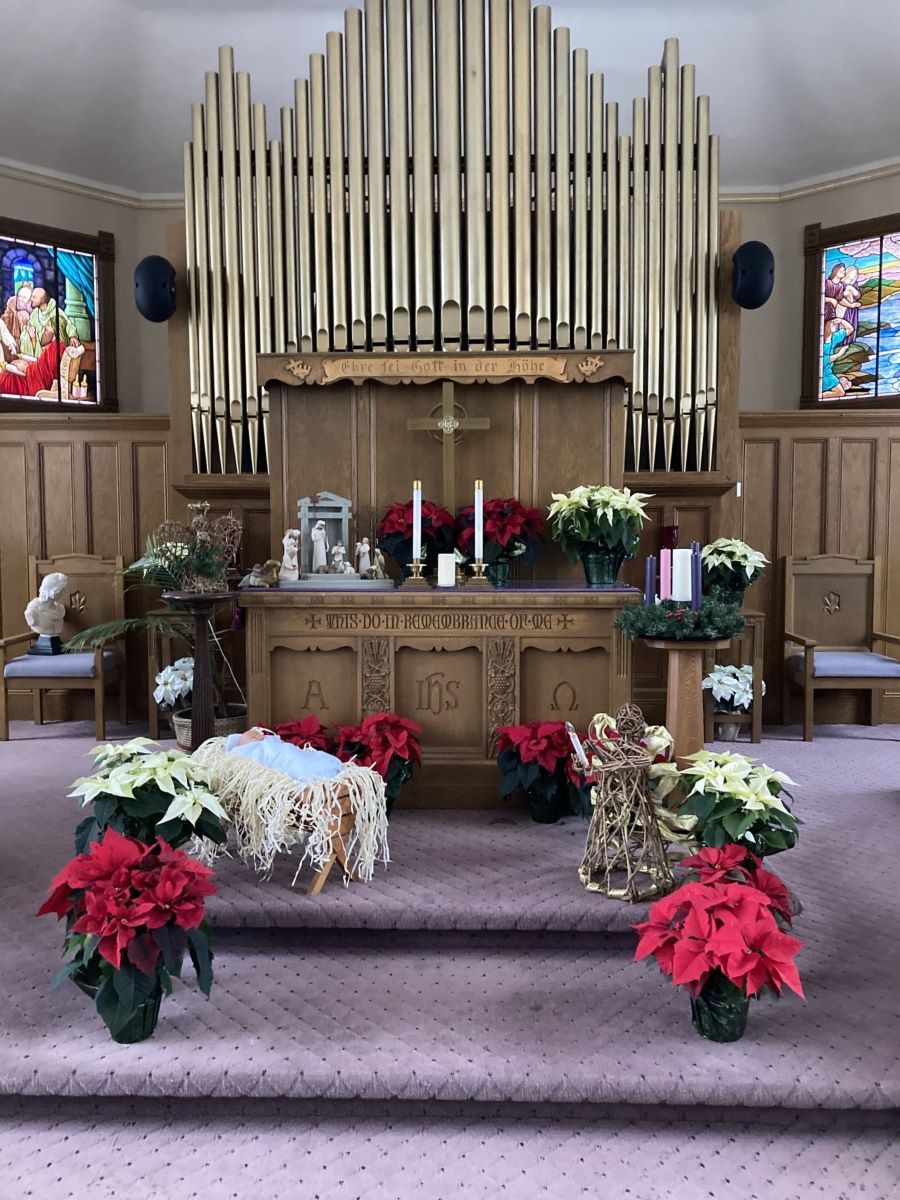
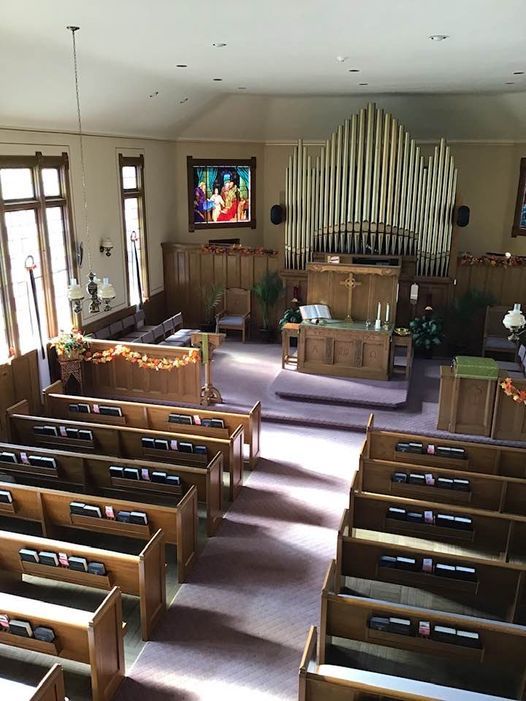
Opus 3029, 1920
Evangelical Immanuel Church / Immanuel United Church of Christ
Sanctuary
415 W North Avenue
Bartlett, IL, US
12 Ranks - 701 Pipes
EXPLORE IMAGESVIEW STOPLISTSomething not quite correct?Suggest an Edit
🤝 Instrument entries in Illinois sponsored by:
We are grateful for the generous support of our sponsors, who make it possible for us to continue our mission of preserving and promoting the rich history of pipe organs across the globe.

IMAGES
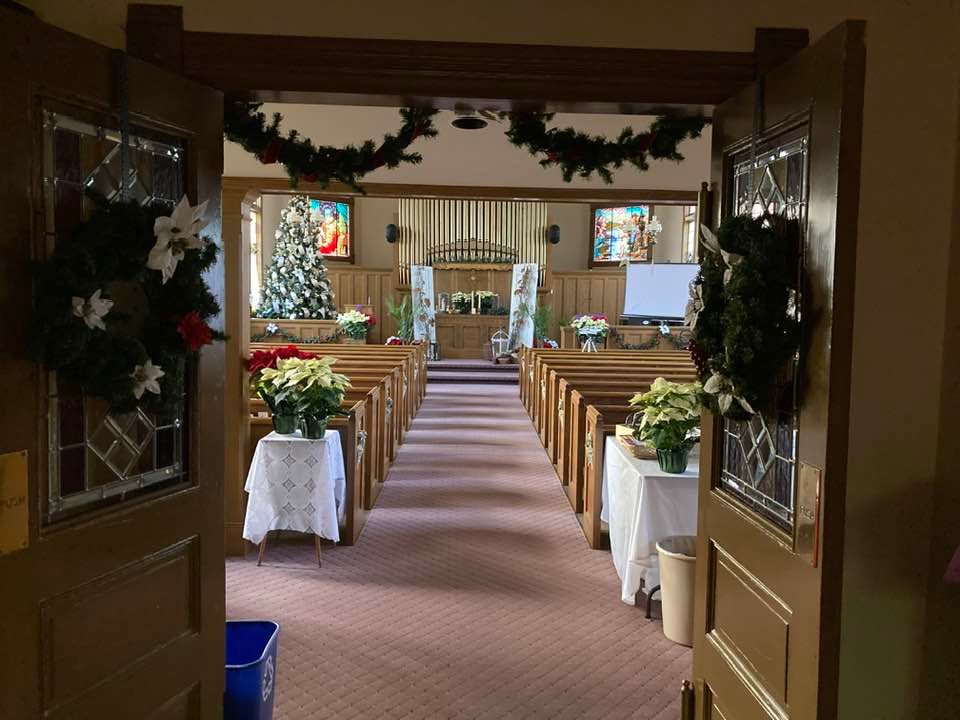
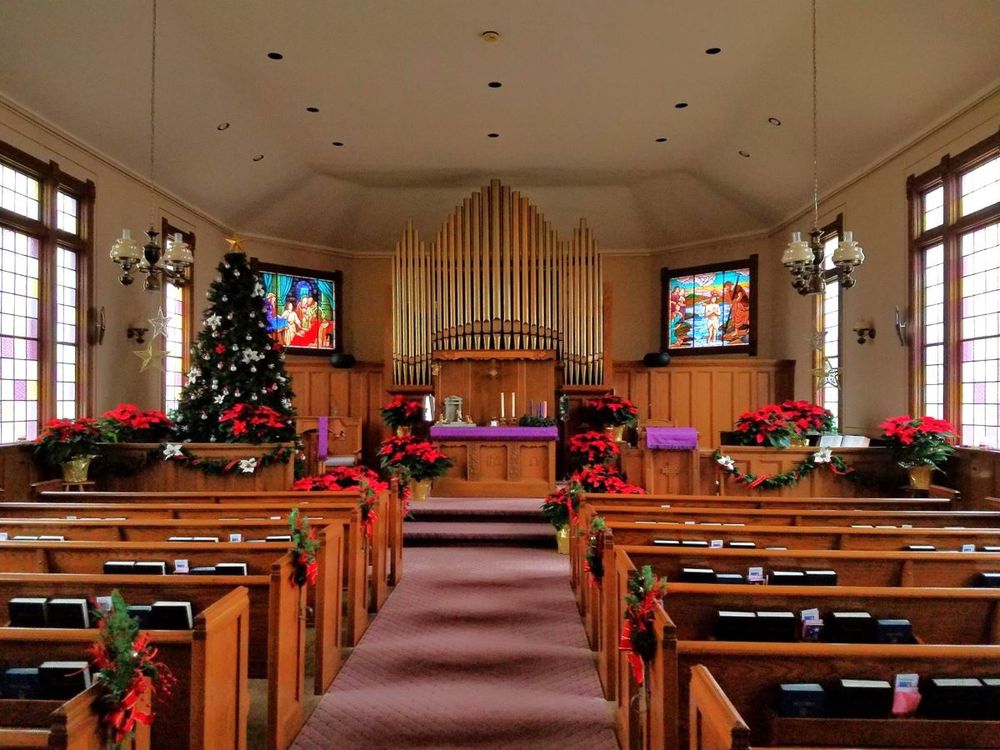
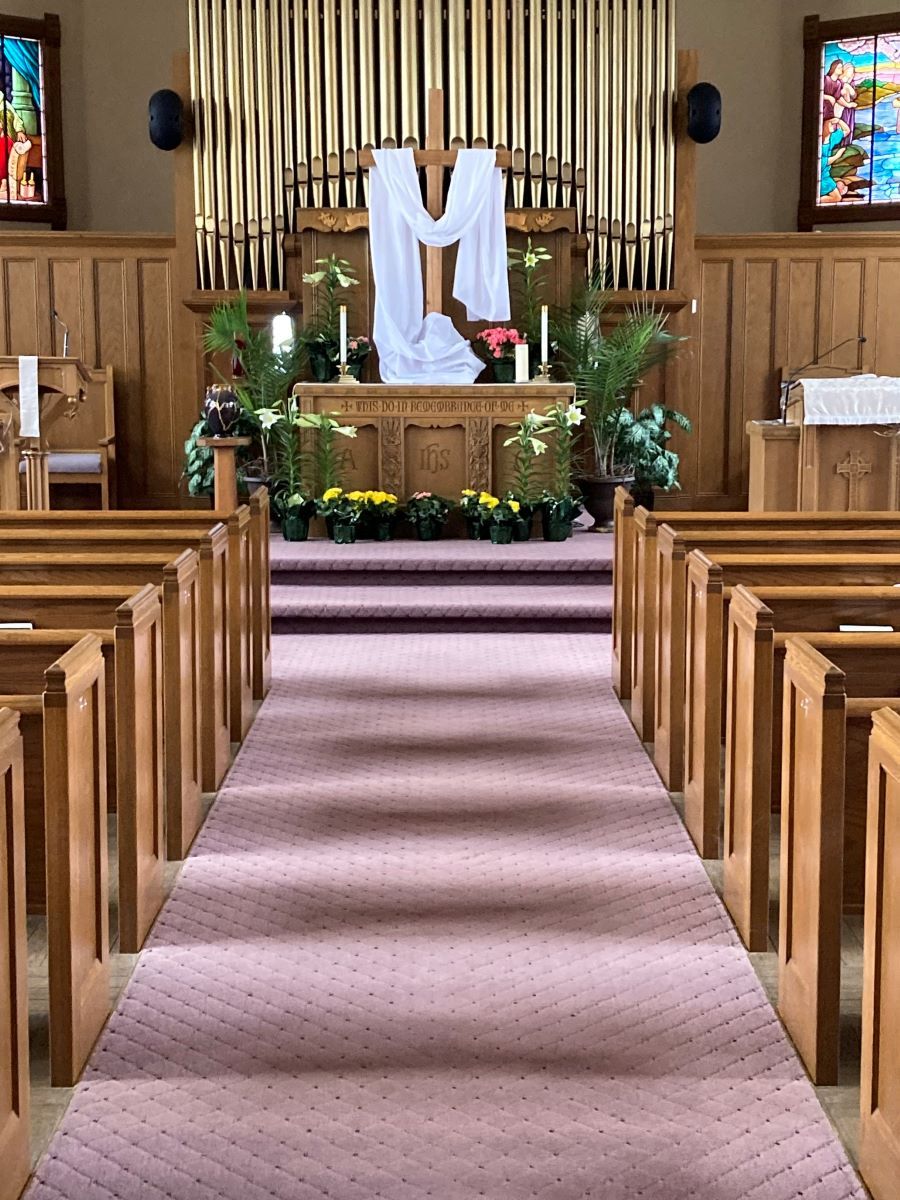
Something missing or not quite correct?Add ImageorSuggest an Edit
STOPLISTS
| Great (I) | ||
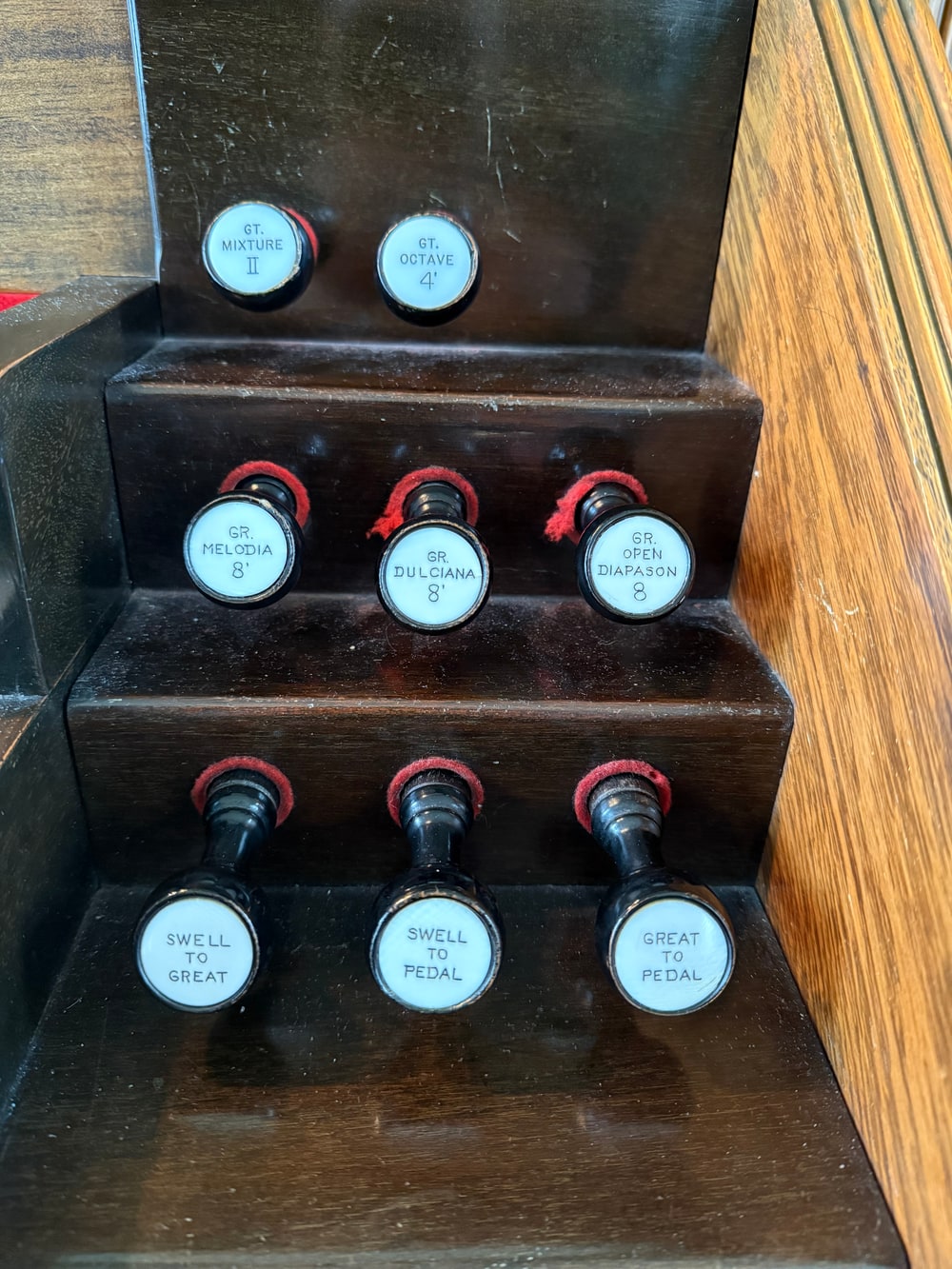
| 8' | Open Diapason | 61 |
| 8' | Melodia | 61 |
| 8' | Dulciana | 61 |
| 4' | Octave | 61 |
| II | Mixture | 122 |
| 8' | Swell to Great |
| Swell (II - Expressive) | ||
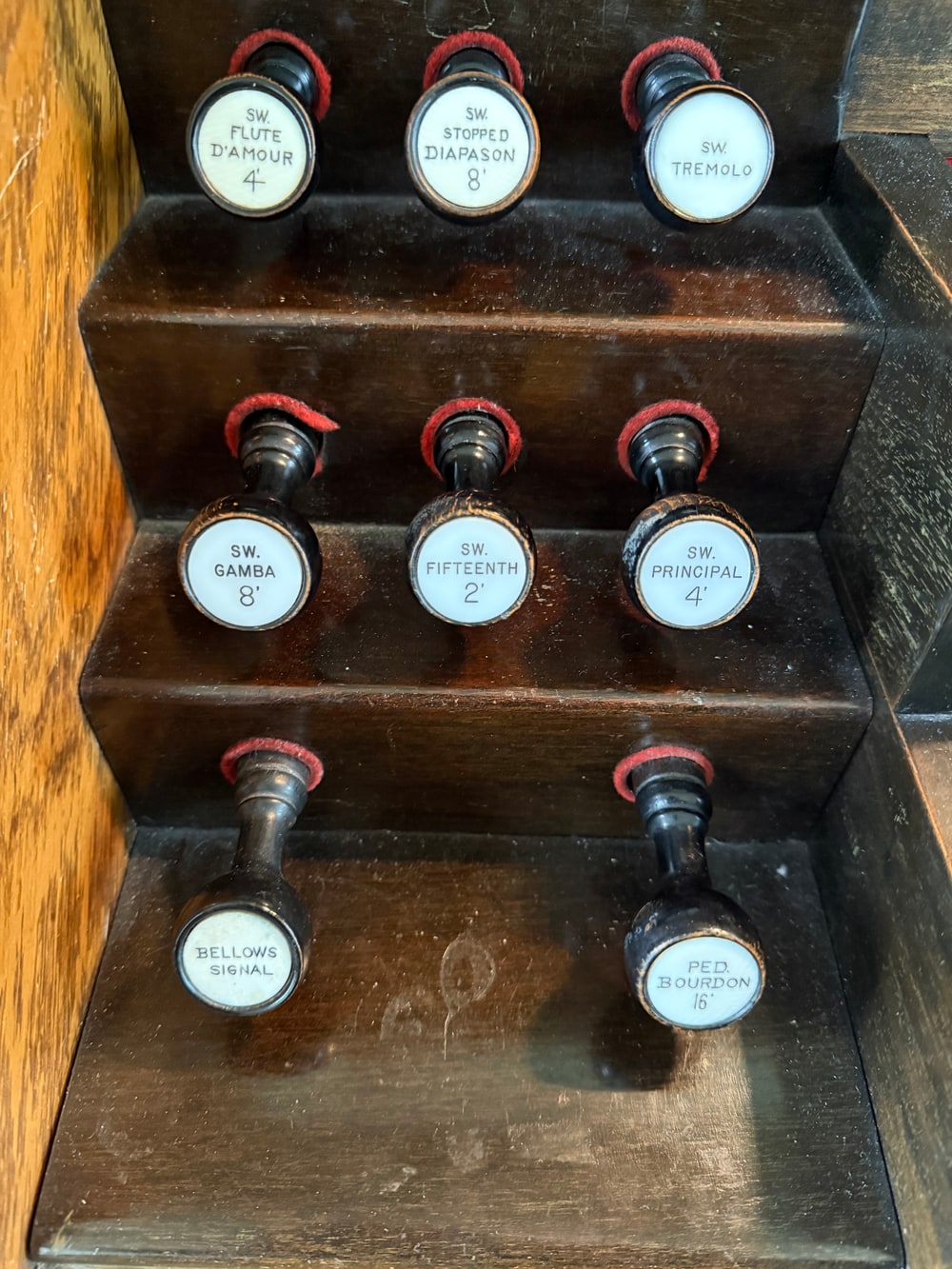
| 8' | Stopped Diapason | 61 |
| 8' | Gamba | 61 |
| 4' | Principal | 61 |
| 4' | Flute d'Amour | 61 |
| 2' | Fifteenth | 61 |
| Pedal | ||
| 16' | Bourdon | 30 |
| 8' | Great to Pedal | |
| 8' | Swell to Pedal |
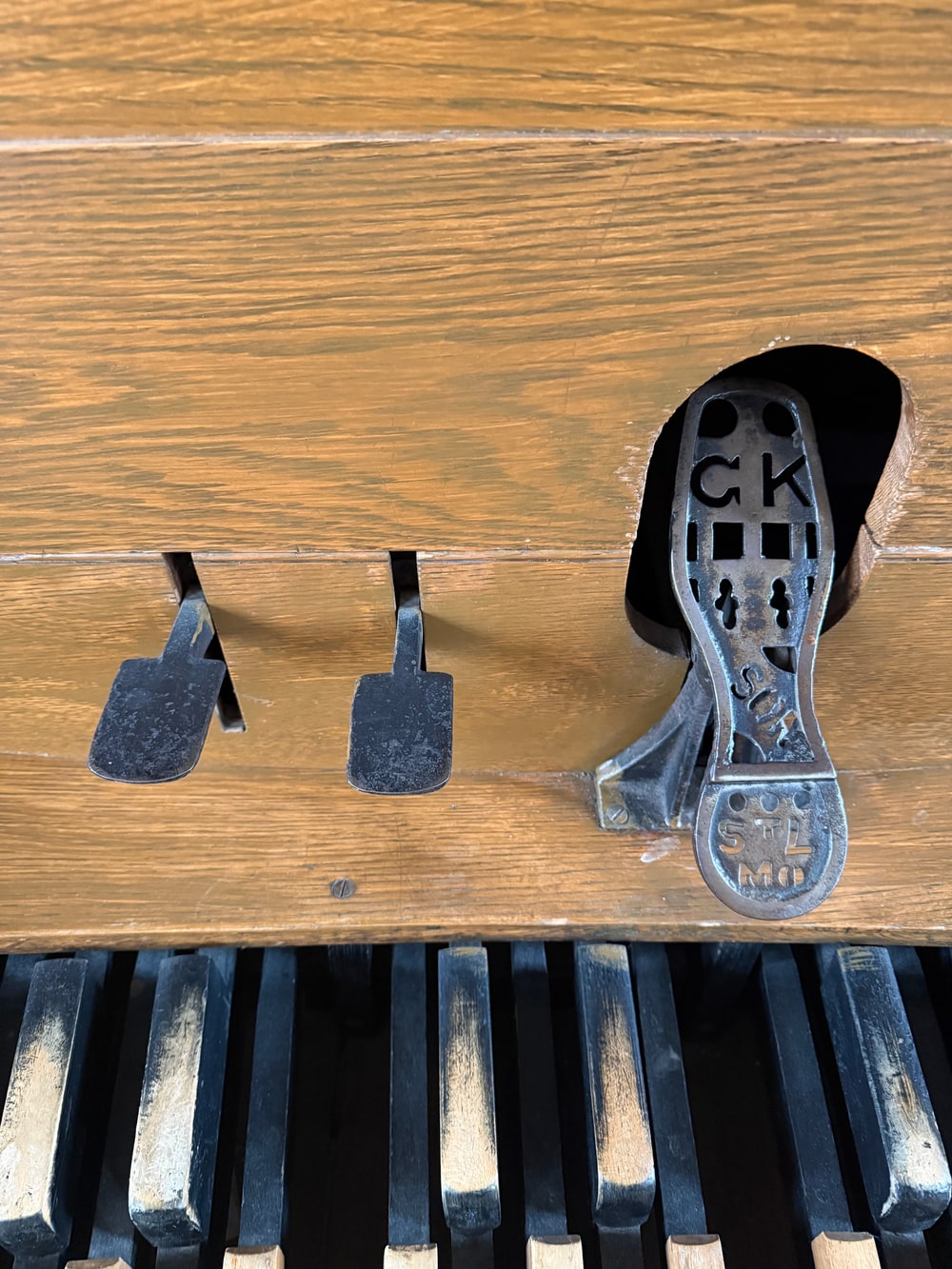
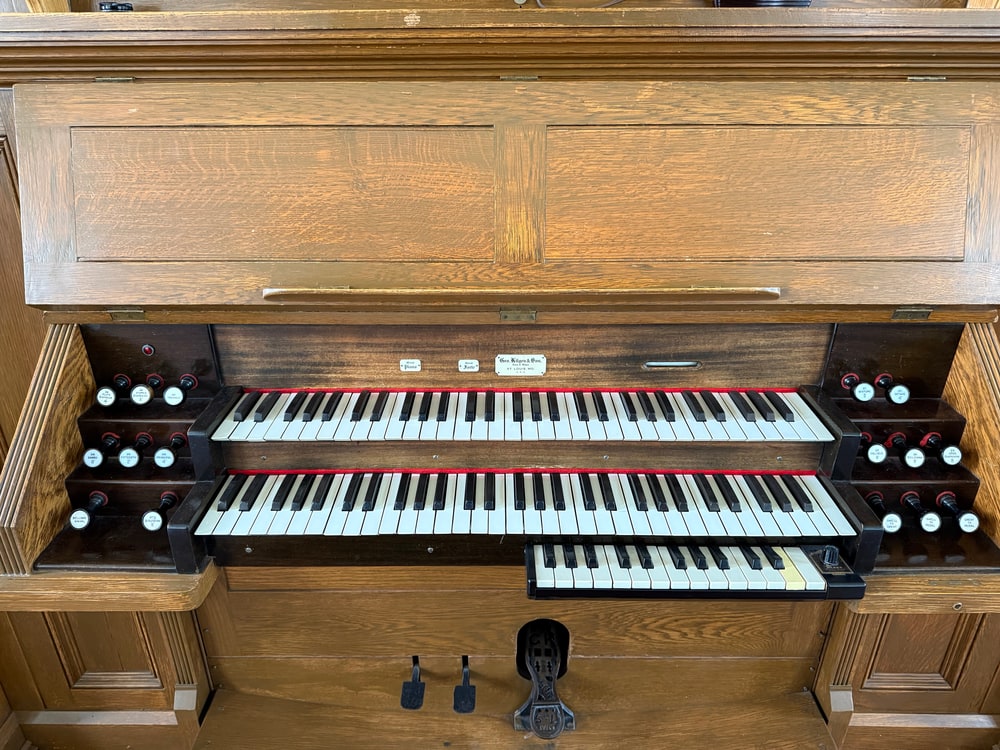
Great Combination pedals: Forte, Piano
Open In New TabSomething missing or not quite correct?Add StoplistorSuggest an Edit
CONSOLES
No console details are available. If you have information, please consider sharing it with us.
Something missing?Add Console
DETAILS
This instrument is: ExtantandPlayable in this location
Opus number identified from Kilgen Archive, where it is also dated 1919.
Alan Whaley on October 7th, 2025:
Updated through online information from Alan Whaley (October 7, 2025): I was the organist for that church back in 2005-06 and the organ was working at that time. It is a small instrument with about 11 ranks and mechanical action. I don't know if I still have the stop list anywhere though I recall it was principals, flutes, and strings, and one mixture (and no reeds). It was 2 manuals with a 30 note pedalboard. When first built, it had a manual lever to pump the bellows in the chamber but was later converted to a blower. Various work had been done on the instrument over the years. I don't know if it is played anymore or if it is even playing, but according to recent photos, it is still there. The wedding policy does mention the organist.
Charles Eberline on December 24th, 2024:
This entry represents the installation of a new organ. Identified through online information from Charles Eberline (December 24, 2024):
Identified from an untitled note in The Diapason, December 1920, 5: "The Evangelical Immanuel Church at Bartlett, Ill., thirty miles west of Chicago, celebrated the completion of its new organ on Oct. 24. A. Baltzer of Chicago gave a recital to mark the opening of the instrument. The organ was built by George Kilgen & Son of St. Louis. The Rev. C. F. Bauman of Aurora, former pastor of the Bartlett congregation, spoke on "The Proper Use of the Organ in the Church."
Photographs at the church's website show a building that looks much more recent than 1920, so it is likely that the organ and the edifice that housed it no longer exist.
Webpage Links: Kilgen Archive (Opus 3029)
Something missing or not quite correct?Add NoteorAdd WebpageorAdd Cross ReferenceorSuggest an Edit