Austin Organ Co.
Opus 1019, 1922
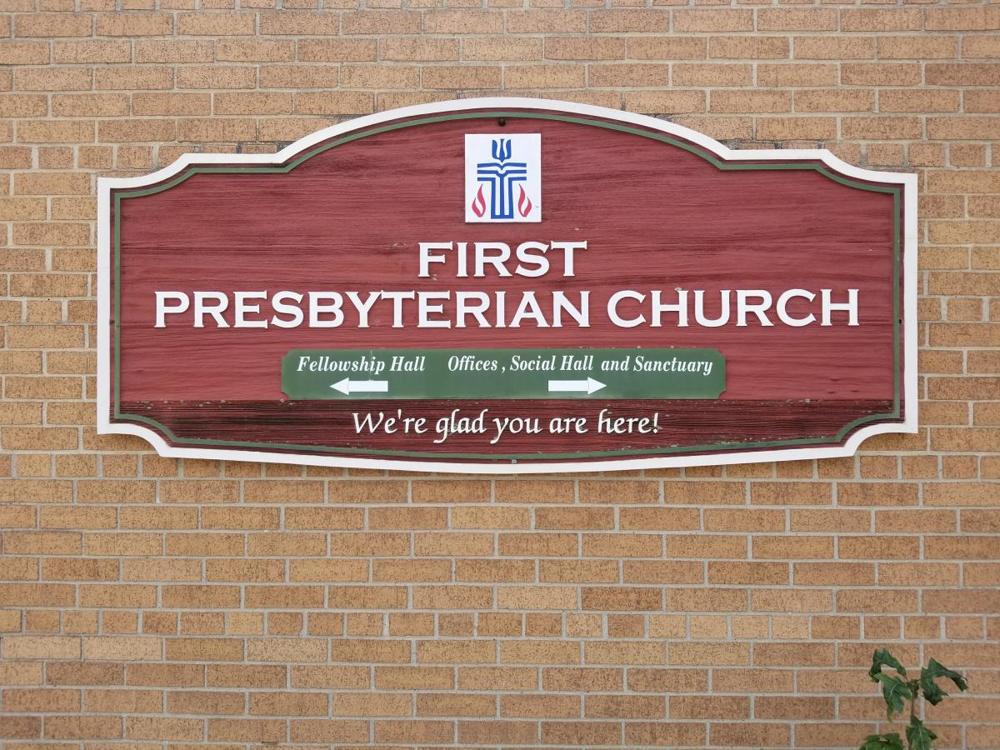
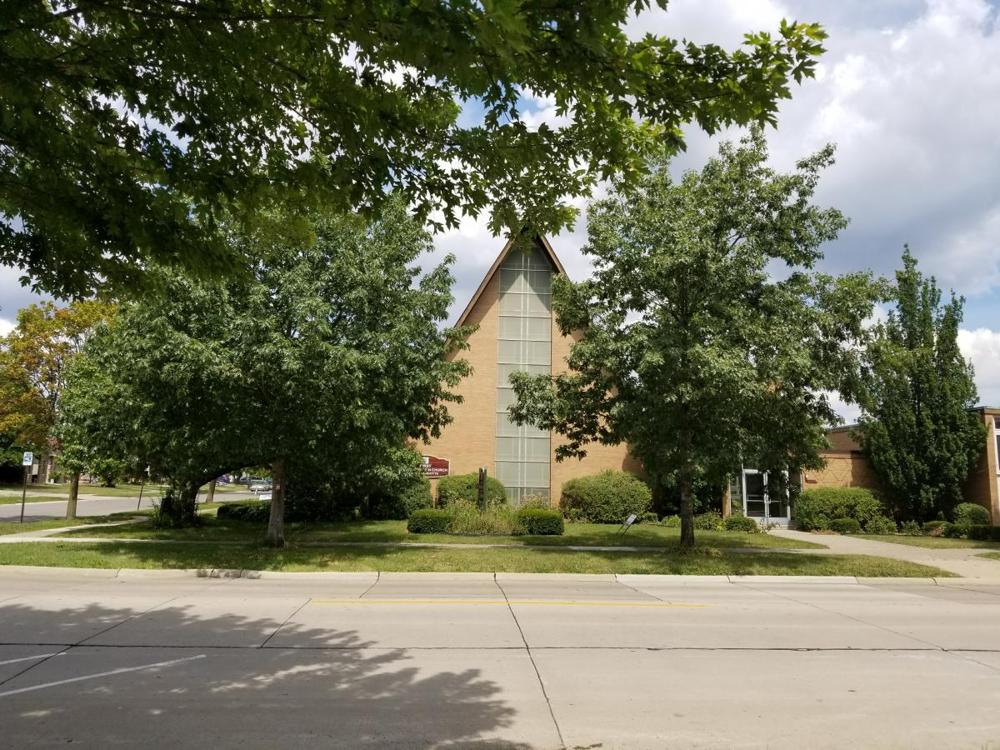
First Presbyterian Church
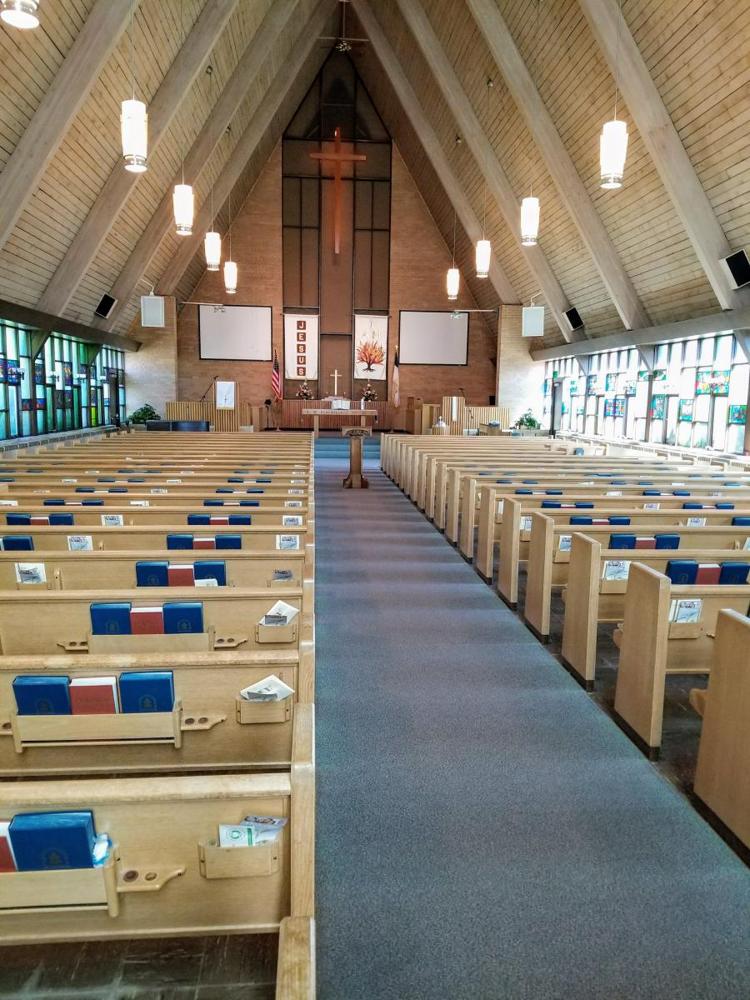
Sanctuary
2250 Oak Street
Wyandotte, MI, US
33 Ranks
EXPLORE IMAGESVIEW STOPLISTSomething not quite correct?Suggest an Edit
IMAGES
Something missing or not quite correct?Add ImageorSuggest an Edit
STOPLISTS
Something missing or not quite correct?Add Stoplist
CONSOLES
Builder: Unknown
Position: Unknown
Design: Unknown
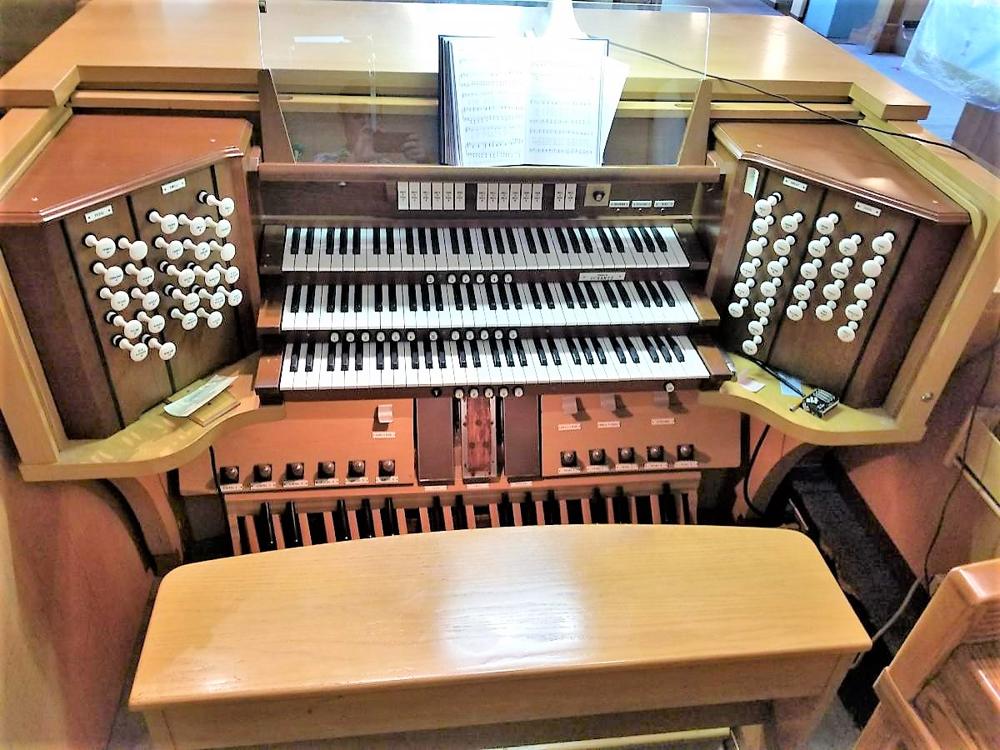
Pedalboard Type: Concave Radiating (Meeting AGO Standards)
Features:
3 Manuals (61 Notes)32 Note Pedal4 Divisions33 Stops33 RegistersElectrical Key ActionElectrical Stop ActionCrescendoCombination Thumb Piston(s)Combination Toe Piston(s)Sforzando Thumb Piston(s)Sforzando Toe Piston(s)Stop Layout: Drawknobs
Expression Type: Balanced Expression Shoes/Pedals (Meeting AGO Standards)
Combination Action: Unknown
Control System: Unknown or N/A
Something missing or not quite correct?Add ConsoleorSuggest an Edit
DETAILS
This instrument is: Not ExtantandNot Playable in this location
From the Wikipedia page on the Austin Organ Company
"Opus 1019 - First Presbyterian Church, Wyandotte, Michigan. Built in 1922, this organ has three manuals and 33 ranks. In 1983, the organ received a new console made by Schantz Organ Co., its overall value is over US$2 million. Sadly, as of November 2015, this organ has since become non-functional due to an electrical malfunction with the blower motor that caused the instrument to short-circuit. Its future remains unknown at this time. On September 24, 2017, First Presbyterian Church of Wyandotte held its final worship service and has since closed after 161 years of service ."
As of 2020, the organ is not being used as the current owners of the building have no use for the organ
Database Manager on May 23rd, 2019:
Updated by Josh M., who has heard or played the organ. This facility was recently sold to another party in April 2019. This instrument\'s future remains unknown at this time.
Database Manager on July 19th, 2018:
Updated by Josh McDonald, who has heard or played the organ.
Database Manager on December 28th, 2017:
Updated by Josh M., who has heard or played the organ.
Database Manager on December 26th, 2017:
Updated with information from Josh McDonald. -- The organ was not playable in the last few years due to an electrical issue with the blower that was too financially challenging for the congregation to fix; the last service was held September 24, 2017; the congregation merged into another one and the facility is for sale.
Database Manager on March 17th, 2012:
Updated through online information from Kenneth Brown. -- The original 3 manual stop tab console was replaced with a 3 manual stop knob console by Schantz in app. 1982. There had already been some tonal changes and ranks deleted/replaced, notably in the Swell division. The Swell still retained its very keen Viole d'orchestre and matching celeste, as well as an harmonic flute at 4'. An interesting feature was the Swell Vox Humana, which was duplexed on the Choir on the old stop tab console; when you drew the Vox on the Swell it automatically released the Vox tab if you had it drawn on the Choir! The reverse took place if you drew it on the Choir, the Swell tab came off. Each division had Austins canceler bars above the tabs. It still retained its original fan tremolos on swell and Choir. The original keyboards have been incorporated into my current residence organ along with the Swell expression pedals and the 4' Oboe. I had been using the original not quite AGO standard pedalboard until I constructed a new one to AGO standards. The non-conformity was the fact that it was not quite as concave, but the radiation was correct. The Choir was almost untouched, including a very lovely Dulciana and Unda Maris at 8' pitch and a Concert Flute, as well as a rather gentle Clarinet 8' The pedal still retained its large 16' Open Wood, although the Schantz representative wanted to take it out, saying that "nobody used those anymore" (I suspect he saw a ready-made and profitable 32' Bourdon after adding stoppers) I objected strenously and it was retained, along with its original Violone 16' and Bourdon 16'. The Great I believe had a Cello Celeste that was on a stop list found in the church records, but this wss gone by the time I was there. There had also been upperwork added, including a 2' fifteenth and a very poorly matched three-rank mixture sometime in the 70's on elevated supply-house windchests. Robert Glasgow re-dedicated the new Schantz console, with a ravishing performance of some of the Brahms chorale preludes; he particularly noted the aforementioned Dulciana/Unda Maris. A 10 2/3 quint was wired using the wood Open and the Bourdon to create a Resultant 32' The organ still retained as I recall its main Universal Windchests. Dr. Paul Klemme was organist before myself and may have more information.
Database Manager on January 8th, 2005:
Information identifying this instrument from the Austin Organs, Inc. web site, accessed December 31, 2004: http://www.austinorgans.com/organ-research.htm.
Related Instrument Entries: Muller Pipe Organ Company (1983)
Something missing or not quite correct?Add NoteorAdd WebpageorAdd Cross ReferenceorSuggest an Edit