Votteler-Holtkamp-Sparling
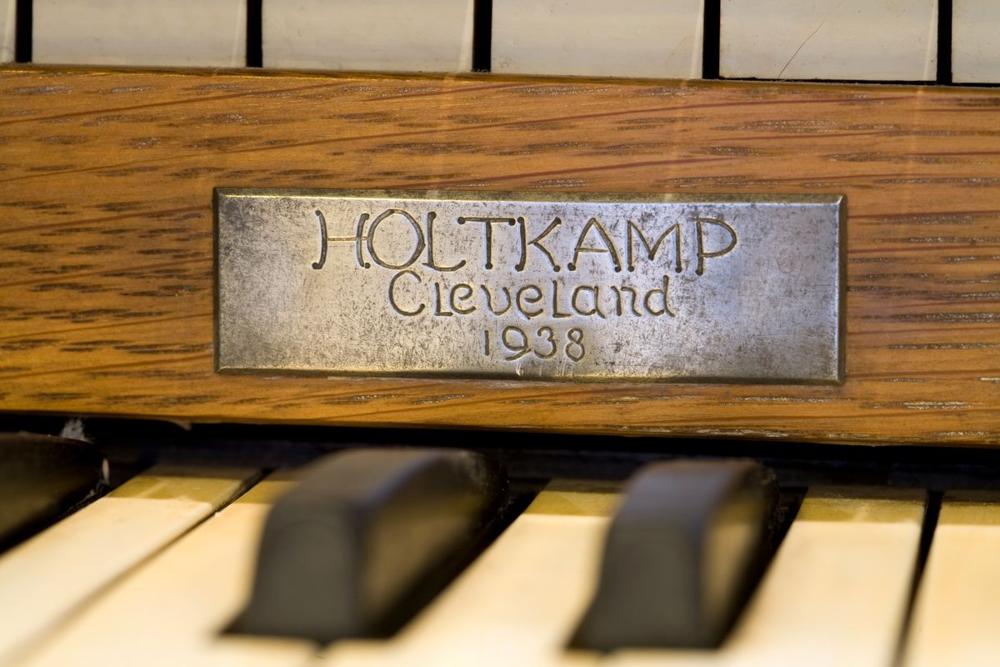
Opus 1602, 1937
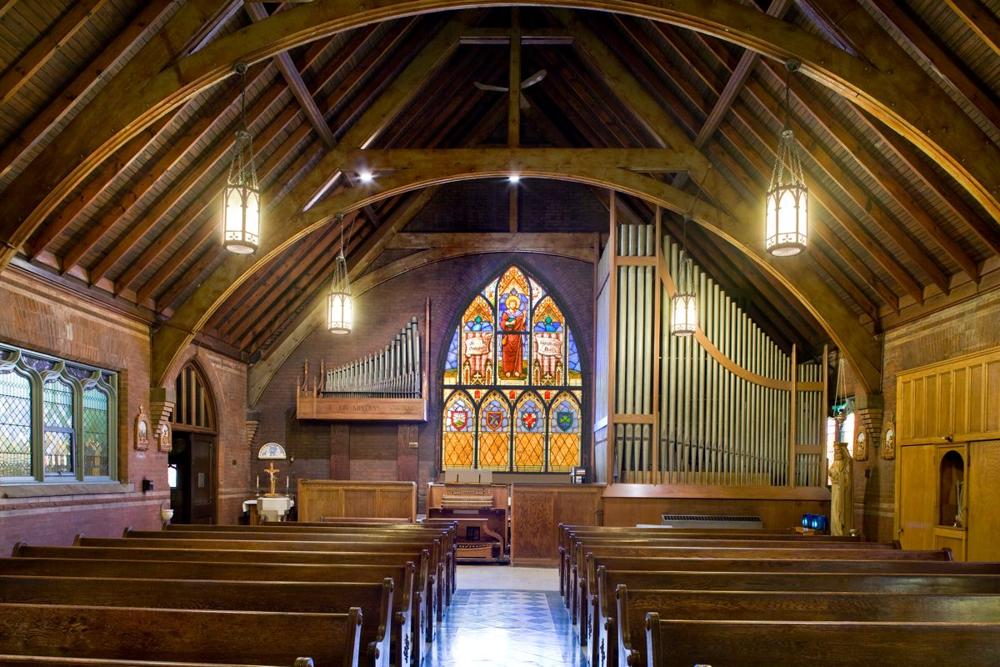
St. James Episcopal Church / St. James Anglican Catholic Church
Sanctuary
1681 E. 55th Street
Cleveland, OH, US
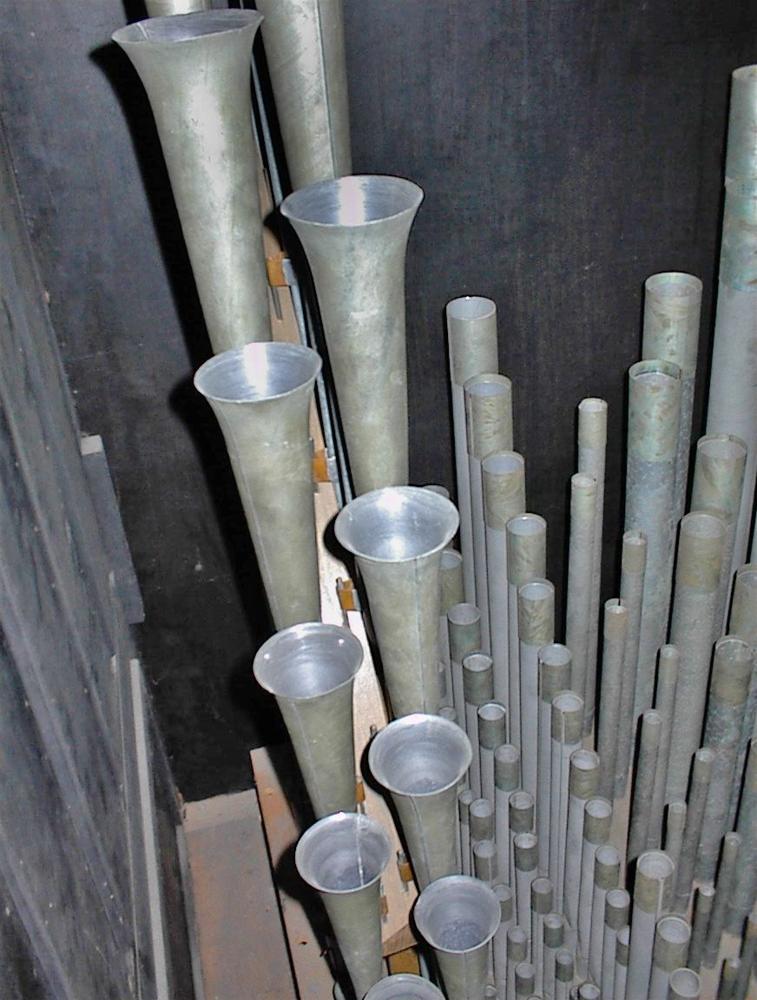
26 Ranks - 1,353 Pipes
EXPLORE IMAGESVIEW STOPLISTSomething not quite correct?Suggest an Edit
🤝 Instrument entries in Ohio sponsored by:
We are grateful for the generous support of our sponsors, who make it possible for us to continue our mission of preserving and promoting the rich history of pipe organs across the globe.

IMAGES



Something missing or not quite correct?Add ImageorSuggest an Edit
STOPLISTS
Something missing or not quite correct?Add Stoplist
CONSOLES
Builder: Unknown
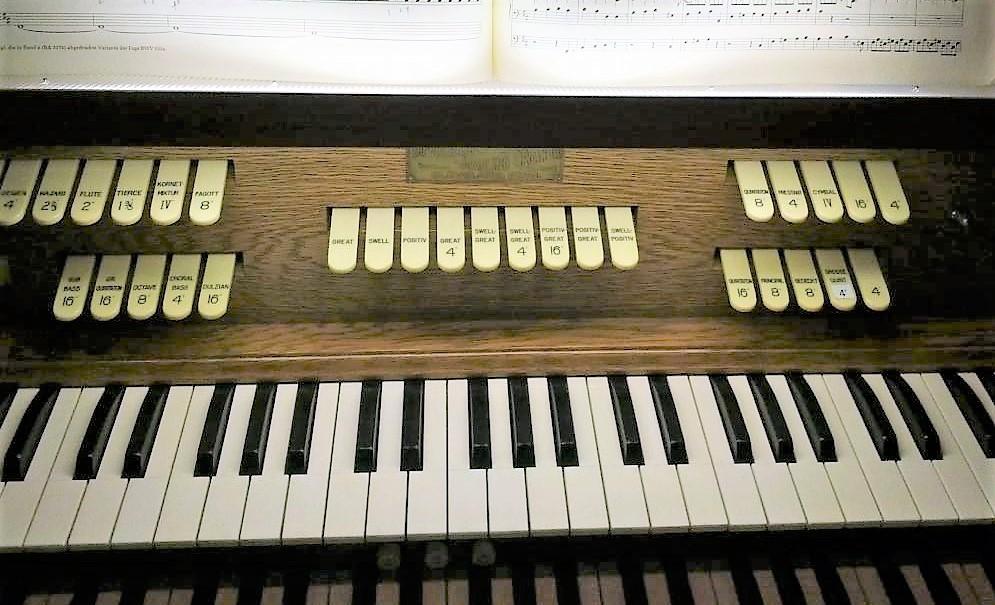
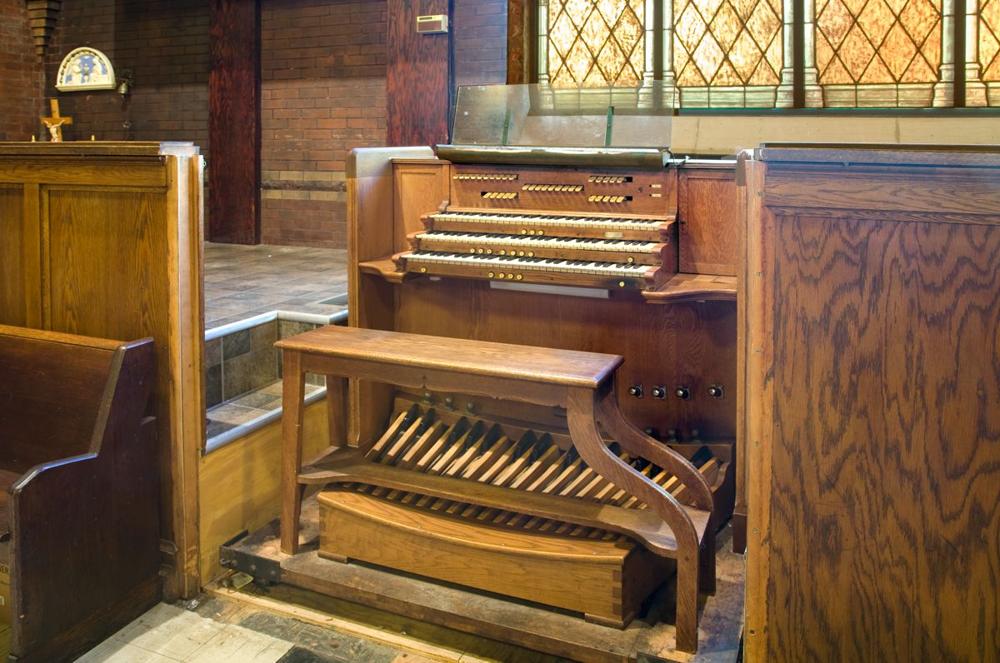
Position: Movable Console
Design: Non-Traditional Style, As Consoles by Holtkamp, Schlicker, et al
Pedalboard Type: Concave Radiating (Meeting AGO Standards)
Features:
3 Manuals (61 Notes)32 Note Pedal4 Divisions20 Stops19 RegistersElectrical Key ActionElectrical Stop ActionCombination Thumb Piston(s)Combination Toe Piston(s)Coupler Thumb Piston(s)Coupler Toe Piston(s)Sforzando Thumb Piston(s)Sforzando Toe Piston(s)Stop Layout: Stop Keys Above Top Manual
Expression Type: Balanced Expression Shoes/Pedals (Meeting AGO Standards)
Combination Action: Adjustable Combination Pistons
Control System: Unknown or N/A
Something missing or not quite correct?Add ConsoleorSuggest an Edit
DETAILS
Exhibited in the 2009 OHS convention(s)
This instrument is: ExtantandPlayable in this location
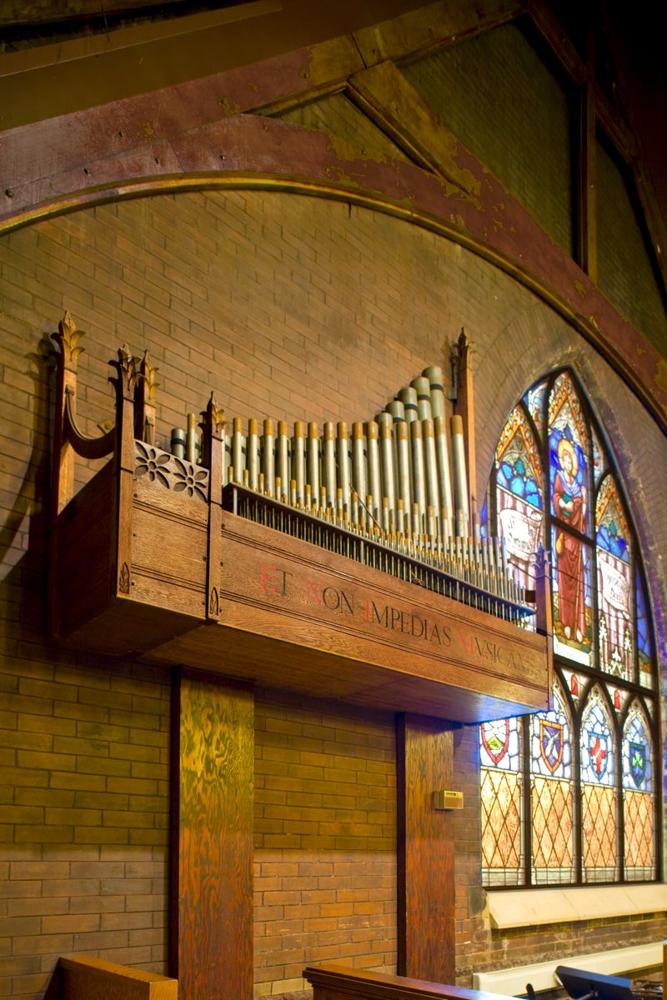
Updated through online information from Jim Hopkins. -- The Positiv division, among the first exposed Positiv divisions in the United States, was installed in 1936 and the remainder of the organ was built around it. The organ was restored and slightly altered in the 1970's by the Holtkamp Organ Company and the Leek Organ Company of Oberlin, Ohio.
Some stops, such as the Nazard and Tierce in the Swell (separate from the Kornet-Mixtur), were added, and the 5 1/3 Gross Quint was moved to sound at a 4' pitch. The Leek Organ Company installed a new great windchest.
In 2011, the organ was cleaned and partially restored, and the console restored and manuals replaced, by the Leek Organ Company. Restoration is ongoing in stages. So far, the main wind reservoir has been re-leathered and the Positiv windchest was cleaned after some minor damage as a result of Superstorm Sandy in 2012. The blower has also been replaced after the original, which is still housed in the blower chamber, ceased to function just before Christmas Eve in 2011.
Further re-leathering is planned in the future, as well as complete re-wiring and possibly an upgrade to the combination action. Restoration will hopefully be completed by 2020, and will involve no tonal alterations. This information comes from the Organist and Choirmaster of St. James'.
Database Manager on April 14th, 2014:
Updated through online information from James R. Stettner.
Database Manager on April 4th, 2014:
Updated through online information from Jim Hopkins.
Database Manager on February 3rd, 2013:
The congregation left the Episcopal Church in 1978 and joined the Anglican Church of America because the Episcopal Church began allowing ordination of female clergy.
Database Manager on December 20th, 2008:
Identified through information published in John Ferguson's Walter Holtkamp: American Organ Builder (DMA treatise, Eastman School of Music, 1976). Although neither Votteler-Holtkamp-Sparling nor their successor Holtkamp Organ Co. assigned Opus numbers to their instruments, this organ was identified in factory documents as Job number 1602. That number appears here as the Opus number of this instrument.
Webpage Links: The Holtkamp Organ
Something missing or not quite correct?Add NoteorAdd WebpageorAdd Cross ReferenceorSuggest an Edit