The Rudolph Wurlitzer Co.
Opus 1257, 1926
Elsinore Theatre
170 High St. NE
Salem, OR, US
13 Ranks - 961 Pipes
Something not quite correct?Suggest an Edit
IMAGES
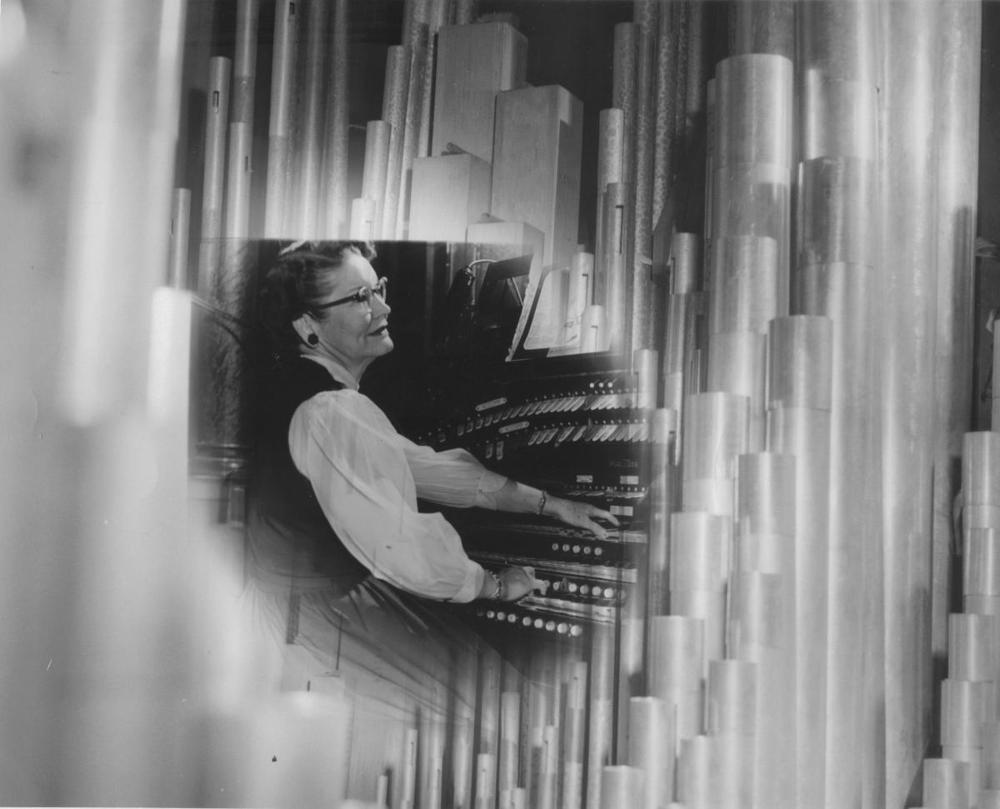
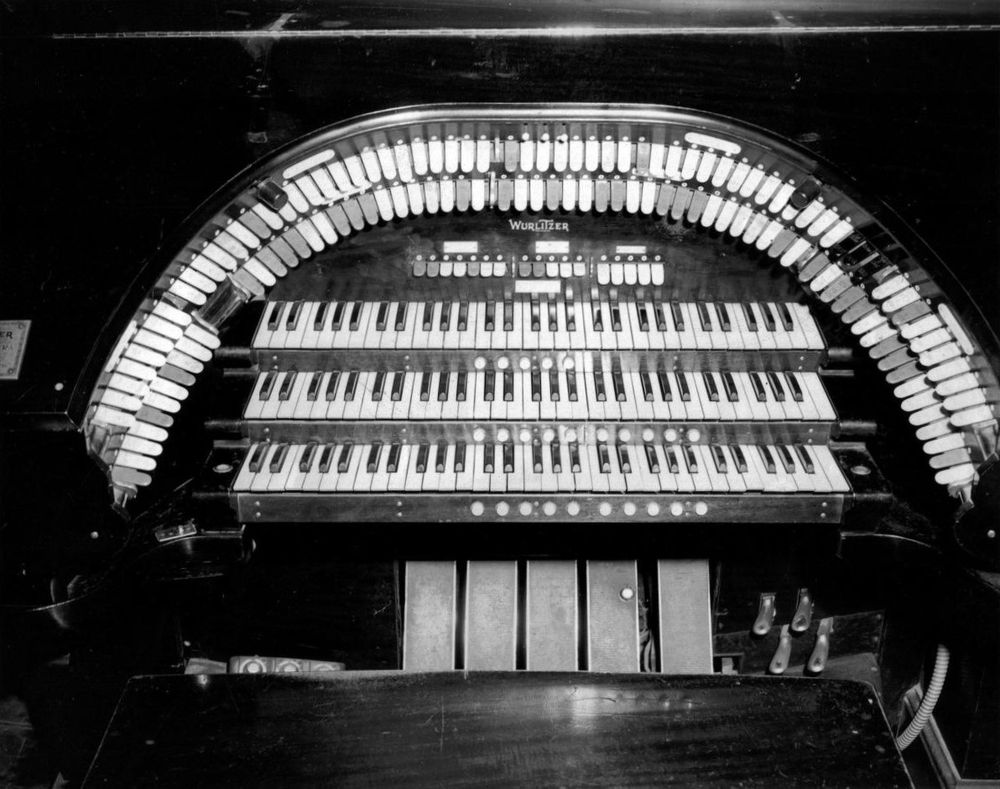
Something missing or not quite correct?Add ImageorSuggest an Edit
STOPLISTS
Something missing or not quite correct?Add Stoplist
CONSOLES
Builder: Unknown
Position: Console in Fixed Position, Center
Design: Horseshoe
Pedalboard Type: Concave Radiating (Details Unknown)
Features:
3 Manuals (61 Notes)32 Note Pedal4 DivisionsElectrical Key ActionElectrical Stop ActionCombination Thumb Piston(s)Combination Toe Piston(s)Stop Layout: Stop Keys in Horseshoe Curves
Expression Type: Balanced Expression Shoes/Pedals (Details Unknown)
Combination Action: Setterboard
Control System: Unknown or N/A
Something missing or not quite correct?Add ConsoleorSuggest an Edit
DETAILS
This instrument is: Not Extant and Not Playable in this location
Information from The Wurlitzer Pipe Organ – An Illustrated History by David L. Junchen (comp. & ed. Jeff Weiler). The American Theatre Organ Society, 2005.
Wurlitzer Style 235 Sp - incorporated some parts from Opus 241; with Post Horn, Voix Celeste, and Krumet instead of Kinura
Factory date: January 29, 1926
Database Manager on July 10th, 2018:
Information from The Wurlitzer Pipe Organ – An Illustrated History by David L. Junchen (comp. & ed. Jeff Weiler). The American Theatre Organ Society, 2005.
Wurlitzer Style 235 Sp - incorporated some parts from Opus 241; with Post Horn, Voix Celeste, and Krumet instead of Kinura
Factory date: January 29, 1926
Database Manager on November 1st, 2015:
Updated through online information from Eric Schmiedeberg. -- It should be noted that there were at least seven Wurlitzers bearing the design ideas of Portland-area theatre organist Glenn Shelley installed in the the theatres of Oregon and Southwest Washington. The Elsinore Wurlitzer specification features the trademark Krumet rank that he favored so much as well as a number of other highly unusual features. Shelley favored swapping out Kinuras for Krumets and Orchestral Oboes for English Post Horns on 10" wind on instruments of 10 ranks or more. This makes these "Shelley Specials" very distinctive in tone and peculiar to the Oregon region. The Elsinore Wurlitzer may also have had some design ideas manifested in it from collaboration with opening night organist Percy Burraston of Australia. The Elsinore and Portland Oriental organ were sisters somewhat, but also somewhat dissimilar. Something more than Shelley's input seemed to be at work here.
Database Manager on October 26th, 2015:
Updated through online information from Eric Schmiedeberg. -- This organ was an over-the-proscenium installation. A Wurlitzer Upright Piano playable from the console sat to the right of the console in the orchestra pit.
Database Manager on October 13th, 2015:
Updated through online information from Eric Schmiedeberg. -- Added console stop count.
Database Manager on October 13th, 2015:
Updated through online information from Eric Schmiedeberg. -- This instrument was highly unusual for a 13 rank Wurlitzer Unit Orchestra, containing a number of ranks and percussions not usually found on this size of Wurlitzer.
The organ was removed by Russell E. Morrell and his father J.C. Morrell. Russ was the House Organist and House Manager of the theatre for a number of years. He was also a close personal friend of mine and my family, so I am quite familiar with this organ through many conversations had (and notes taken) concerning this instrument.
The integration of components from Wurlitzer Opus 241 did not involve that instrument in its entirety and was done rather badly by Wurlitzer according to Russ. According to Morrell, part of Opus 241 from the Oregon Theatre accross the street from the Elsinore remained in service there from 1925 to c.1929 when it finally closed for good.
George Guthrie, who built and opened the Elsinore, owned the Oregon as well. He and his son David were also friends of Russ Morrell. Wurlitzer and ex-Hope-Jones Organ Co. factory technician Manley Cockcroft did the installation with helpers according to newspaper reports.
The organ was debuted by Australian organist Percy Burraston on May 28, 1926.
Database Manager on November 10th, 2007:
Identified through online information from James R. Stettner. -- The organ cost $16,000.00 and incorporated the 1919 Wurlitzer (Op. 241) from Salem's Oregon Theatre - which was returned to the Wurlitzer factory and rebuilt/enlarged for the Elsinore location. It was removed in 1962 by David Guthrie, and professionally installed in his West Hills home in Portland, OR. In 1969, it was sold to Kirk Whitcombe of Carnation, WA, where it existed for a time as a touring organ before being installed in the former Odd Fellows Hall in Carnation. It was ultimately sold to a private party in Portland and dispersed for parts.
Something missing or not quite correct?Add NoteorAdd WebpageorAdd Cross ReferenceorSuggest an Edit