The Rudolph Wurlitzer Co.
Opus 203, 1919
Oregon Theatre
170 High Street SE
Salem, OR, US
4 Ranks - 292 Pipes
Something not quite correct?Suggest an Edit
IMAGES
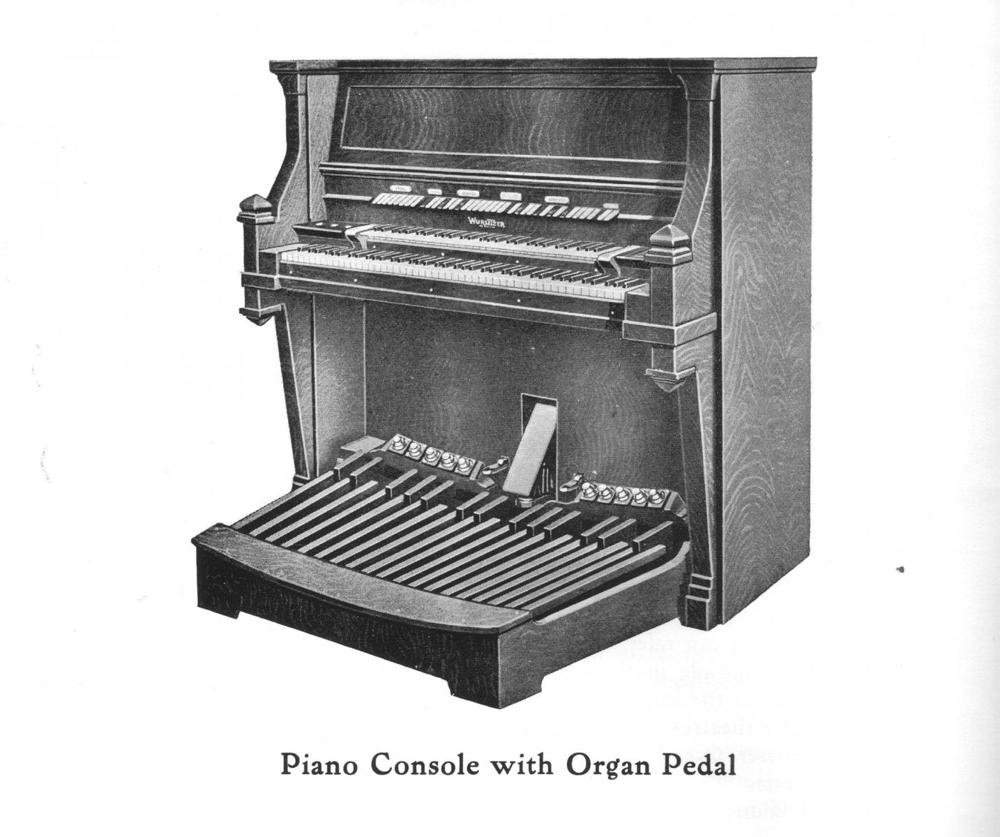
Something missing or not quite correct?Add ImageorSuggest an Edit
STOPLISTS
Something missing or not quite correct?Add Stoplist
CONSOLES
Builder: Unknown
Position: Console on Lift
Design: Non-Traditional Style, As Consoles by Holtkamp, Schlicker, et al
Pedalboard Type: Concave Radiating (Not Meeting AGO Standards)
Features:
2 Manuals (61 Notes)32 Note Pedal2 DivisionsElectrical Key ActionElectrical Stop ActionStop Layout: Stop Keys Above Top Manual
Expression Type: Balanced Expression Shoes/Pedals (Details Unknown)
Combination Action: None
Control System: Unknown or N/A
Something missing or not quite correct?Add ConsoleorSuggest an Edit
DETAILS
This instrument is: Not Extant and Not Playable in this location
Information from The Wurlitzer Pipe Organ – An Illustrated History by David L. Junchen (comp. & ed. Jeff Weiler). The American Theatre Organ Society, 2005.
Wurlitzer Style 135 Sp - with Marimba; later repossessed
Factory date: January 25, 1919
Database Manager on December 13th, 2015:
Updated through online information from Eric Schmiedeberg.
Just for the record, there was (and is) only one Grand Theatre in Salem. Also, newspaper microfilm research suggests that the Grand's 2/4 Morton was a transplant from the (Ye) Liberty Theatre executed by Liberty and Grand operator George Guthrie in 1924. This is when when he installed and debuted a new Smith organ at the Liberty.
This would have been relatively easy to do given the rear doors of the stage houses of the Grand and Liberty were literally a stone's throw from each other. It is quite possible that new blowers shipped from the Robert Morton Company were designated with entries that looked just like new organ shipments, but were not. The Grand 2/4 entry in the Morton records was most likely in reference to a new blower shipped for the reinstallation at the Grand.
Database Manager on November 7th, 2015:
Updated through online information from Eric Schmiedeberg.
Database Manager on November 7th, 2015:
Updated through online information from Eric Schmiedeberg. -- Timeline for this installation is March 1919 to October 1919.
Database Manager on October 13th, 2015:
Updated through online information from Eric Schmiedeberg. -- This instrument utilized a "Piano Style" console with a 32-note pedalboard, a 61-note organ manual, and a Piano keyboard below it that could be muted for use as an organ manual--or unmuted for both Piano and organ, if so desired.
The instrument also featured a "Marimbaphone" (Marimba/Harp in Wurlitzer parlance) in the house-right organ chamber as a special percussion stop not normally found on a Style 135. The rest of the organ was located in the house-left chamber.
Wurlitzer Demonstration Artist Raymond Ballard of San Francisco debuted the instrument in March of 1919. It would be supplanted by Wurlitzer Opus 241--what amounted to a 3/12 Style 185-X Special--in October of that year.
It is fair to surmise that Opus 203 was a "warm-up/preview of coming attractions" instrument heralding 241's arrival. George Guthrie owned the Oregon from 1915-1929, which explains the "Guthrie Theatre" entry in the Wurlitzer records. He did own the Grand Theatre in Salem at one point, however this was not until late in 1923. Newspaper accounts are quite clear about where Opus 203 was installed--the Oregon Theatre.
Database Manager on October 13th, 2015:
Updated through online information from Eric Schmiedeberg. -- Newspaper accounts and Wurlitzer records name this 135 Special as having debuted at the Oregon in March of 1919. It replaced the original Austin of 2 manuals and 14 registers that had been in service since January of 1913.
This Wurlitzer was first played by Wurlitzer Demonstration Artist Raymond Ballard of San Francisco. The organ was unusual in that it featured a "Marimbaphone" (an early description used by Wurlitzer for their Marimba/Harp) in the house-right chamber and the rest of the instrument was housed in the house-left chamber. The organ could be considered a "warm-up/preview of coming attractions" installation for the 3/12 Wurlitzer that would replace it in October of 1919.
The 135 was sent back to the Wurlitzer store in San Francisco in that month. The Marimba/Harp may have stayed in Salem to be incorporated into the 3/12 as it did feature one in its specification. -- The Piano/bottom manual was 88 and 61 notes respectively. The Piano keyboard could be muted so as to make its keys operate the organ's resources only on a standard 61-note compass.j Should only the Piano be desired on the bottom keyboard one would cancel all of the stopkeys and unmute the Piano.
Database Manager on November 10th, 2007:
Identified through online information from James R. Stettner. -- Style 135A. Relocated later in 1919 to an undisclosed location in San Francisco. Disposition unknown. The Judd Walton Wurlitzer list shows the destination of this organ as the Guthrie Theatre. The Grand was owned by George B. Guthrie. It is possible that there was a previous or second Grand (Guthrie) Theatre since the theatre is also listed for a 2/4 Robert Morton.
Something missing or not quite correct?Add NoteorAdd WebpageorAdd Cross ReferenceorSuggest an Edit