Wicks Organ Co.
Opus 711, 1924
Glendive Methodist Episcopal Church
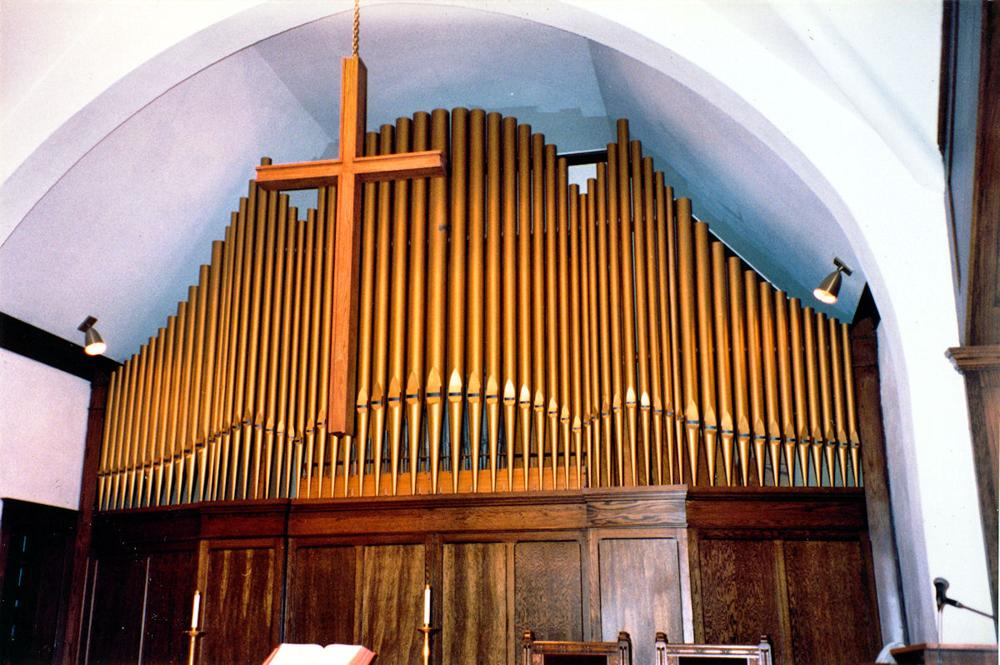
Sanctuary; front
206 W. Towne
Glendive, MT, US
5 Ranks - 377 Pipes
Something not quite correct?Suggest an Edit
IMAGES
Something missing or not quite correct?Add ImageorSuggest an Edit
STOPLISTS
Something missing or not quite correct?Add Stoplist
CONSOLES
Builder: Unknown
Position: Console in Fixed Position, Left
Design: Traditional With Roll Top
Pedalboard Type: Concave Radiating (Meeting AGO Standards)
Features:
2 Manuals (61 Notes)32 Note Pedal2 Divisions5 Stops26 RegistersElectrical Key ActionElectrical Stop ActionCrescendoCombination Thumb Piston(s)Stop Layout: Tilting/Rocking Tablets Above Top Manual
Expression Type: Balanced Expression Shoes/Pedals (Meeting AGO Standards)
Combination Action: Adjustable Combination Pistons
Control System: Unknown or N/A
Something missing or not quite correct?Add ConsoleorSuggest an Edit
DETAILS
This instrument is: Extant and Playable in this location
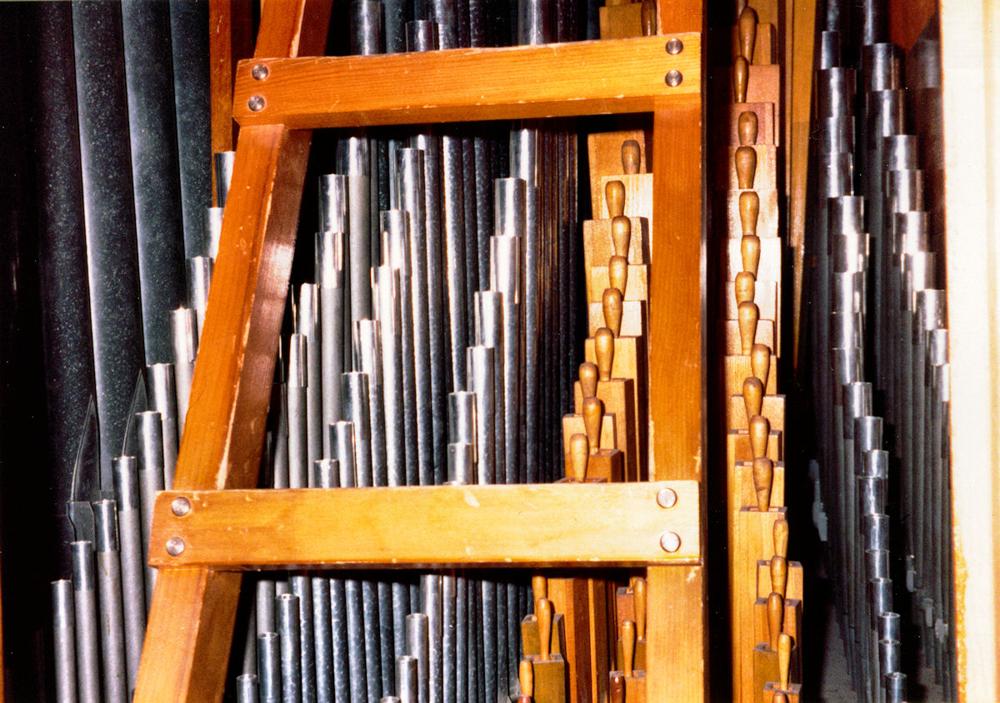
Identified through online information from James R. Stettner. -- This organ was built for Sherman Clay & Co. of San Francisco. The five ranks are: First Open Diapason, Second Open Diapason, Stopped Diapason, Salicional, and Dulciana. The organ is housed behind an oak case front with 5-sectional facade of 61 gold-painted pipes arranged: 12-9-19-9-12. These five sections are distinguished from one another by the heights and diameters of the pipes. This includes the first 17 pipes of the Great 8' First Open Diapason which is the only non-expressive rank, other than the bottom 12 pipes of the 16' Bourdon extension. The rest of the instrument is housed in a large swellbox under expression.
In the 1980's, Harold B. Curryer of Spokane, Washington installed a Peterson solid state relay and combination action on the organ. This includes a preparation fora future real 8' Oboe as opposed to the present synthetic/derived Oboe. The original stop controls were stopkeys over the top manual, but this was changed to rocker tablets in the S-S conversion. Documented October 9, 1996.
Related Instrument Entries: Harold B. Curryer (1980s)
Something missing or not quite correct?Add NoteorAdd WebpageorAdd Cross ReferenceorSuggest an Edit